
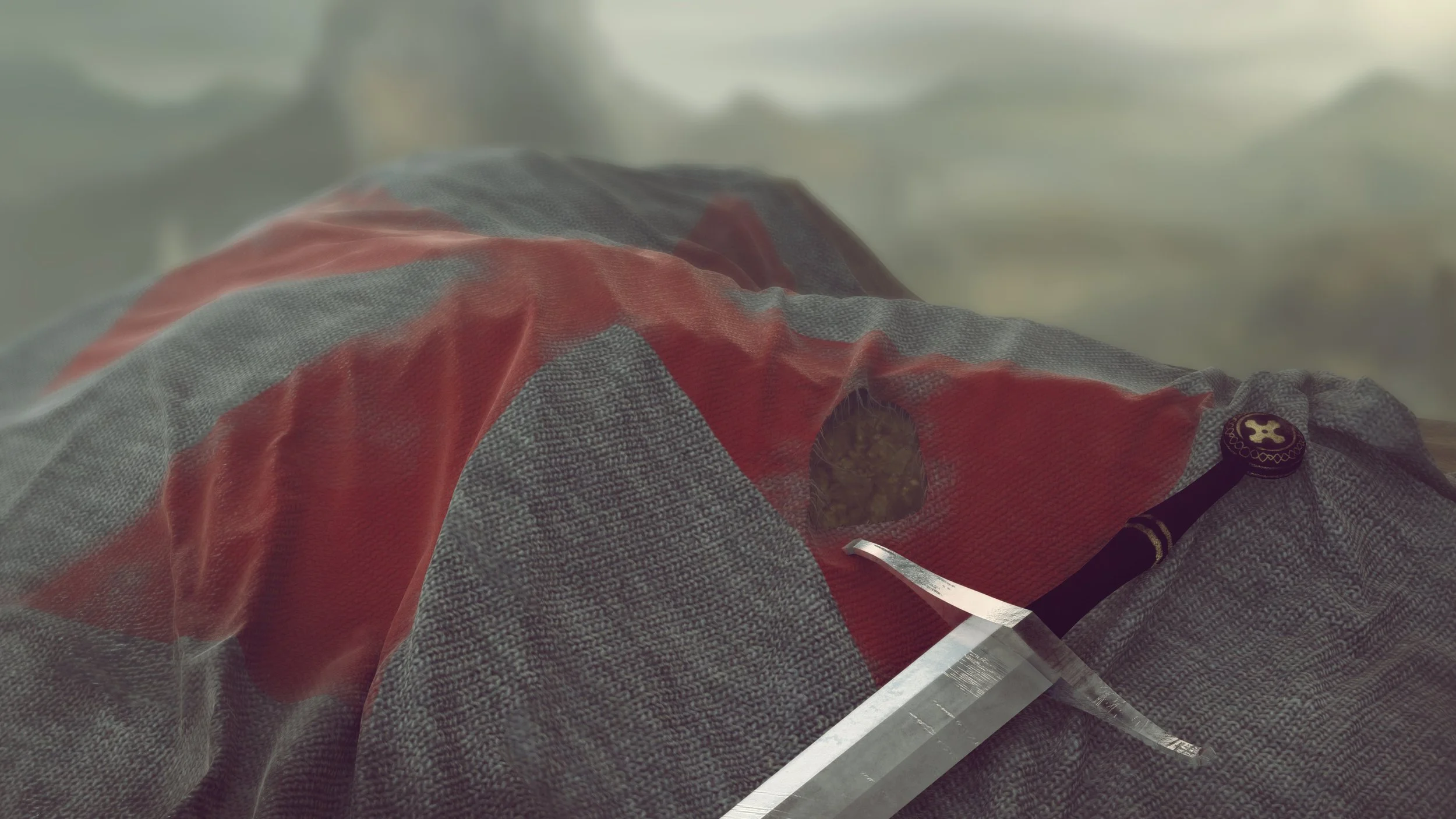
Kilbarry is more than a resting place.
It is the echo of vows kept across borders, of knights who gave their hearts to what they believed was just and true, and of a spiritual order whose memory persists despite persecution and exile—and like the Templars, it refuses to fade, living on in the hearts of those who grew up playing among its gravestones, unaware of its history and untold story, but who later returned to safeguard its legacy for future generations.
Helena B. Scott
Kilbarry stands as one of Ireland’s earliest and most important Templar preceptories, granted by Henry II in 1180 on land already long marked as sacred. As an administrative, economic, and spiritual hub, it bound Waterford’s frontier into the wider networks of crusade and Christendom, while continuing older traditions of veneration rooted in the landscape. Even after the Templars’ suppression, Kilbarry endured under the Hospitallers, leaving behind a layered legacy that speaks of faith, power, and continuity across centuries.
—Helena B. Scott, dissertation excerpt, MA in Public History and Cultural Heritage
Maggie’s Butterfly Wall: A Living Memorial at Kilbarry Knights Templar Graveyard
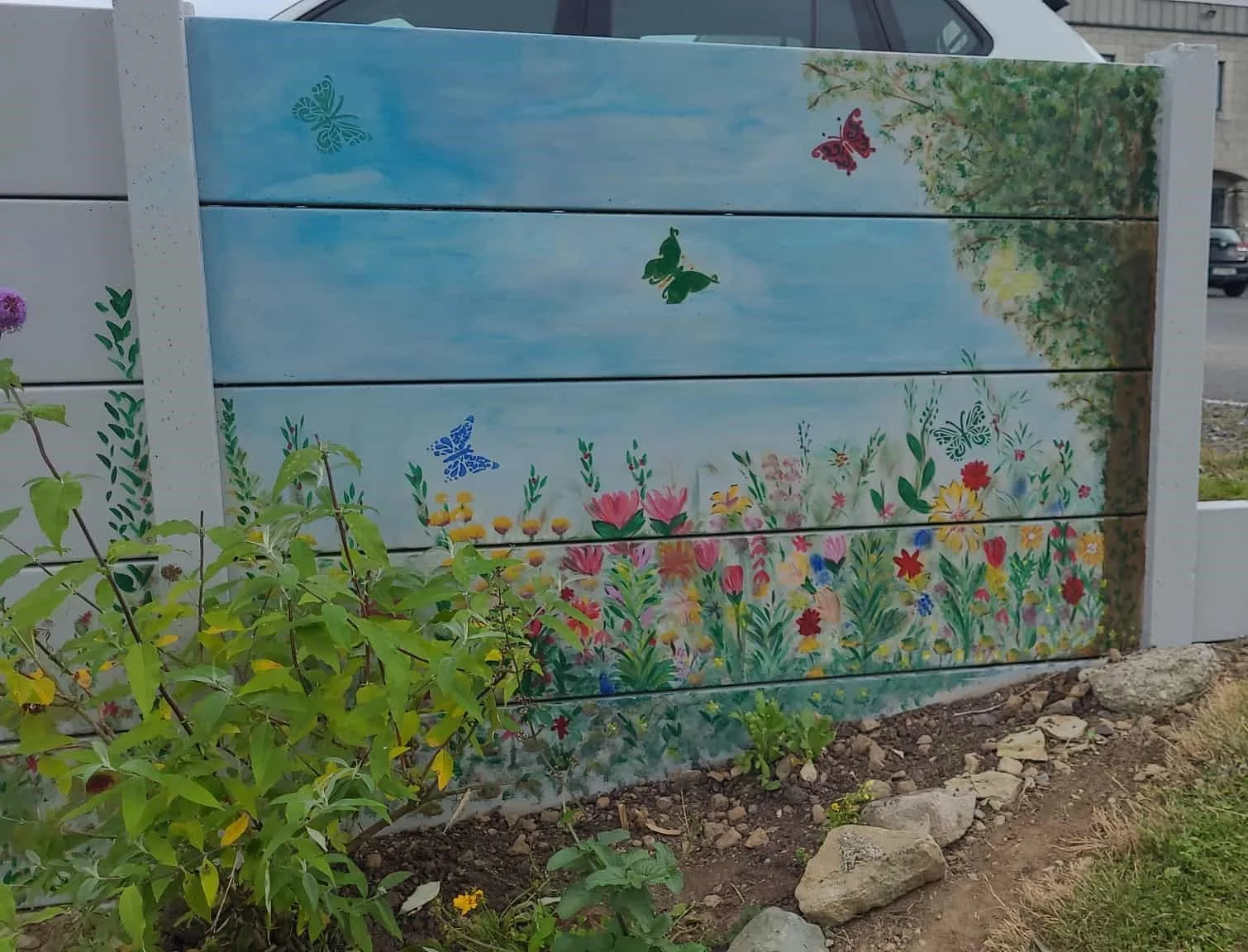
Set beside a newly established orchard and facing the old stone boundary wall that leads to the gated entrance of Kilbarry Knights Templar Graveyard, Maggie’s Butterfly Wall emerges as one of the most quietly transformative features of the site. It is not a monument in the traditional sense, but a living, evolving gesture—where planting, memory, and care have been woven into the fabric of a once-overgrown historic landscape. In this meeting point between cultivated orchard, ancient stonework, and tended soil, a different kind of heritage expression has taken root.
Long before the arrival of the Knights Templar, Kilbarry was already an ancient sacred landscape. Archaeological evidence reveals human activity from the Bronze and Iron Ages, followed by Norse and Early Christian occupation, suggesting that this hill has served as a place of ritual, worship, burial, and community for well over two thousand years. Later, it became the site of a medieval preceptory associated with the Knights Templar, who expanded the existing Church of St Barry and rededicated it as the Church of St Antoine. Following the suppression of the Templar Order in 1312, the estate passed to the Knights Hospitaller, whose occupation is likely reflected in several surviving architectural features dating to the fourteenth and fifteenth centuries. The surrounding burial ground continued to serve the local community for centuries afterwards, with graves dating from the late sixteenth century onward, preserving an unbroken tradition of remembrance that continues to this day.
Despite this extraordinary history, Kilbarry spent much of the twentieth century hidden beneath dense vegetation. Ancient walls disappeared behind ivy and brambles, archaeological features became increasingly difficult to identify, and many people passed the site without ever realising the remarkable story concealed within it. Although archaeologists and local historians recognised its importance, much of its history remained untold, and its landscape waited patiently for those willing to rediscover it.
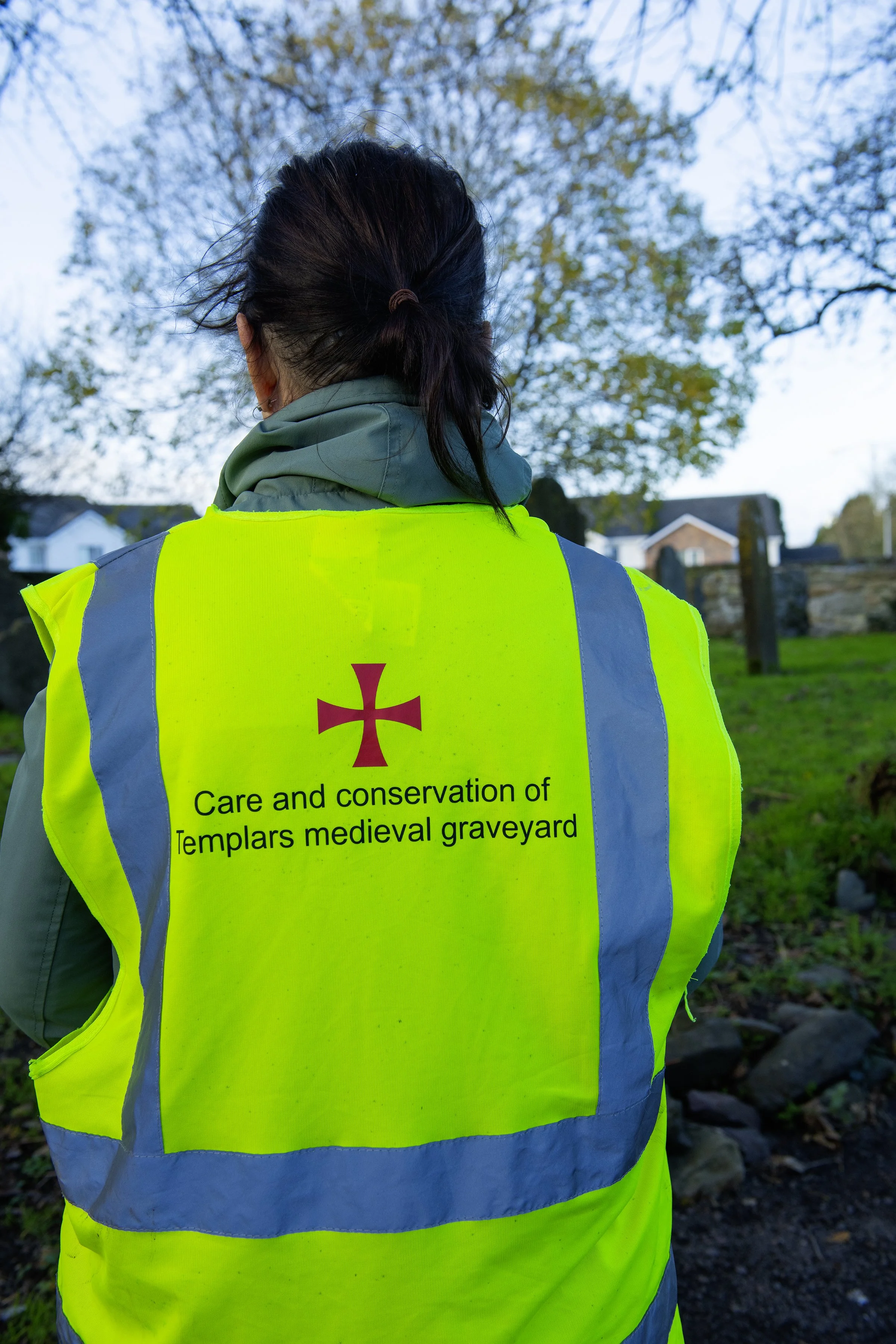
That rediscovery did not begin with a government initiative or major conservation project. It began with a young schoolgirl named Katie Houlihan and her grandfather, Paddy Houlihan. Together they saw not an abandoned and overgrown cemetery, but a forgotten sacred place worthy of love, care, and remembrance that was important for the community. Their decision to act—born from a school project and a grandfather's willingness to nurture his granddaughter's curiosity—became the spark that ignited one of Waterford's most inspiring community heritage projects. Their remarkable story can be read in The Dream of a Young Girl and Her Grandfather. They were later joined by members of the local community who believed this forgotten place deserved to be seen, understood, and cared for once more. Armed with little more than gardening tools, determination, and a deep affection for their local heritage, volunteers gradually transformed Kilbarry from an overgrown ruin into a welcoming place of remembrance, learning, and reflection. Their work demonstrated that heritage is not preserved solely through archaeological excavation or official designation, but also through countless acts of stewardship carried out by people who simply refuse to let history disappear.
Among those volunteers, Maggie became one of the earliest quiet custodians of Kilbarry's rebirth. Rather than researching medieval documents, she restored life to the landscape itself. Through countless hours of gardening, planting, weeding, and nurturing, she helped soften the boundaries between the ancient monument and the natural world. Her work culminated in what has become affectionately known as Maggie's Butterfly Wall—a living memorial that welcomes visitors as they approach the graveyard, standing beside the orchard and opposite the old stone wall leading to the entrance.
The Butterfly Wall began as an organic response to this evolving work. As clearing progressed and planting began to reshape the graveyard’s edges, Maggie introduced flowering species chosen for their ability to attract pollinators, particularly butterflies. Over time, this section of the site developed a distinct identity: a living strip of colour and movement positioned deliberately along the wall, mediating between the cultivated orchard on one side and the historic stone boundary on the other.
Butterflies became more than a visual motif. In many cultural traditions, they are associated with transformation, memory, and the threshold between worlds—symbolism that resonates deeply within a burial ground shaped by centuries of human passage. At Kilbarry, they have come to embody a gentler reading of the site: not solely as a place of death and abandonment, but as one of continuity, change, and return.
What is now known as Maggie’s Butterfly Wall is therefore not a fixed installation, but an evolving ecological and aesthetic intervention. It shifts with the seasons, responding to weather, growth, and ongoing care. This fluidity is central to its meaning. Rather than imposing a final form on the landscape, it remains open, participatory, and alive—mirroring the wider ethos of the Kilbarry restoration project, which understands heritage as something actively maintained rather than passively preserved.
Visitors often encounter the Butterfly Wall unexpectedly, yet it frequently becomes one of the most memorable aspects of the site. Against the weight of stone and historical residue, its softness offers a counterpoint—an insistence on gentleness within a place shaped by time and loss. The movement of butterflies through the planting creates a sense of animation, drawing attention not only to ecological recovery but also to the possibility of emotional reconnection with heritage landscapes.
Within the broader context of Kilbarry’s restoration, Maggie’s contribution sits alongside the efforts of other volunteers who have helped reshape the site into what is increasingly understood as a form of outdoor participatory museum. Yet the Butterfly Wall stands out for its quiet intimacy. It does not announce itself as a monument; rather, it invites attention through presence, care, and continuity.
In this way, Maggie’s Butterfly Wall becomes more than a garden feature. It is a living act of remembrance embedded in the landscape itself—an ongoing conversation between people, place, and time, sustained through the simple but profound act of tending life where neglect once was.
-
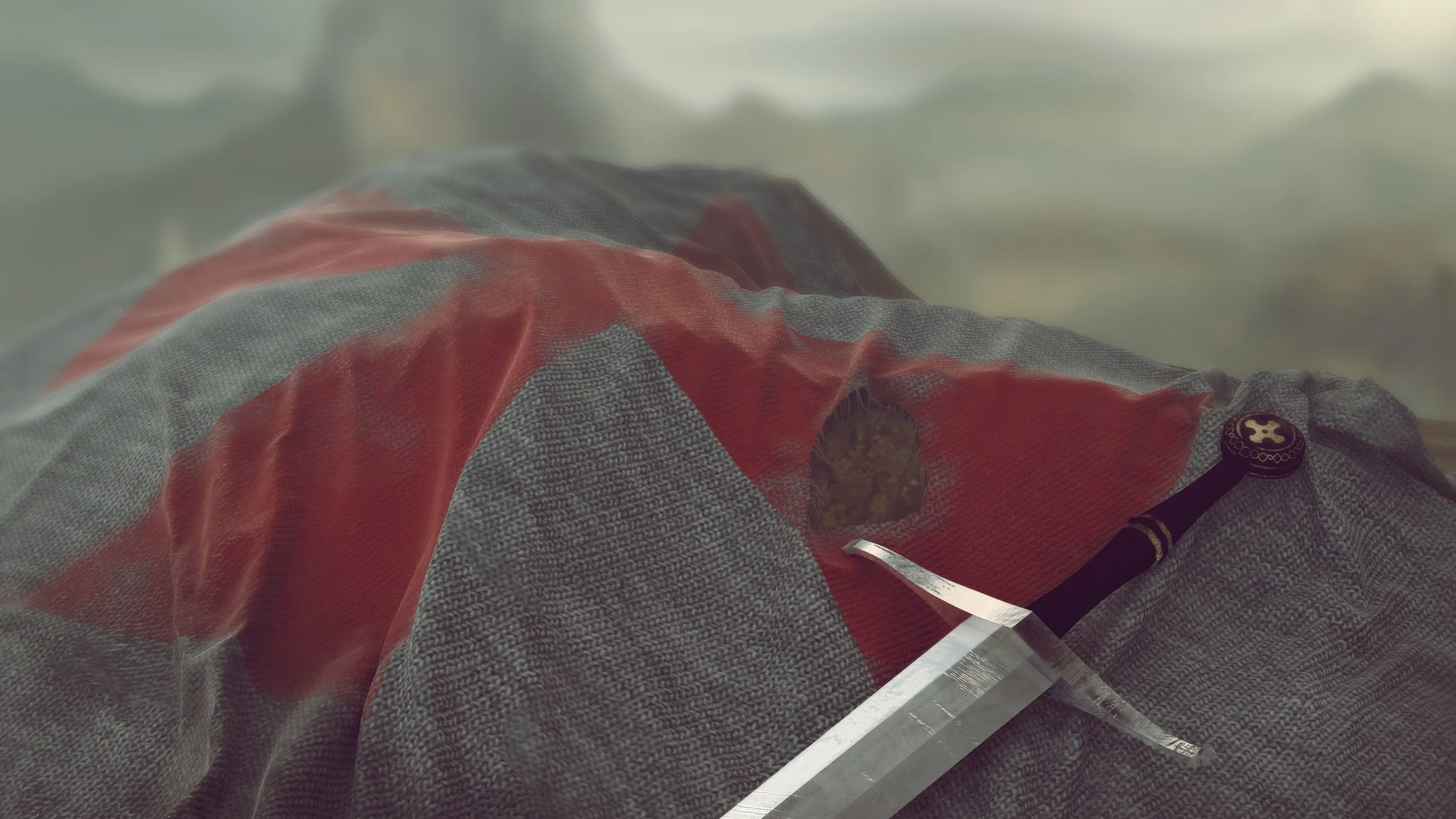
Kilbarry: Ancient Sacred Site & Templar Preceptory, Church and Cemetery
HISTORY
-
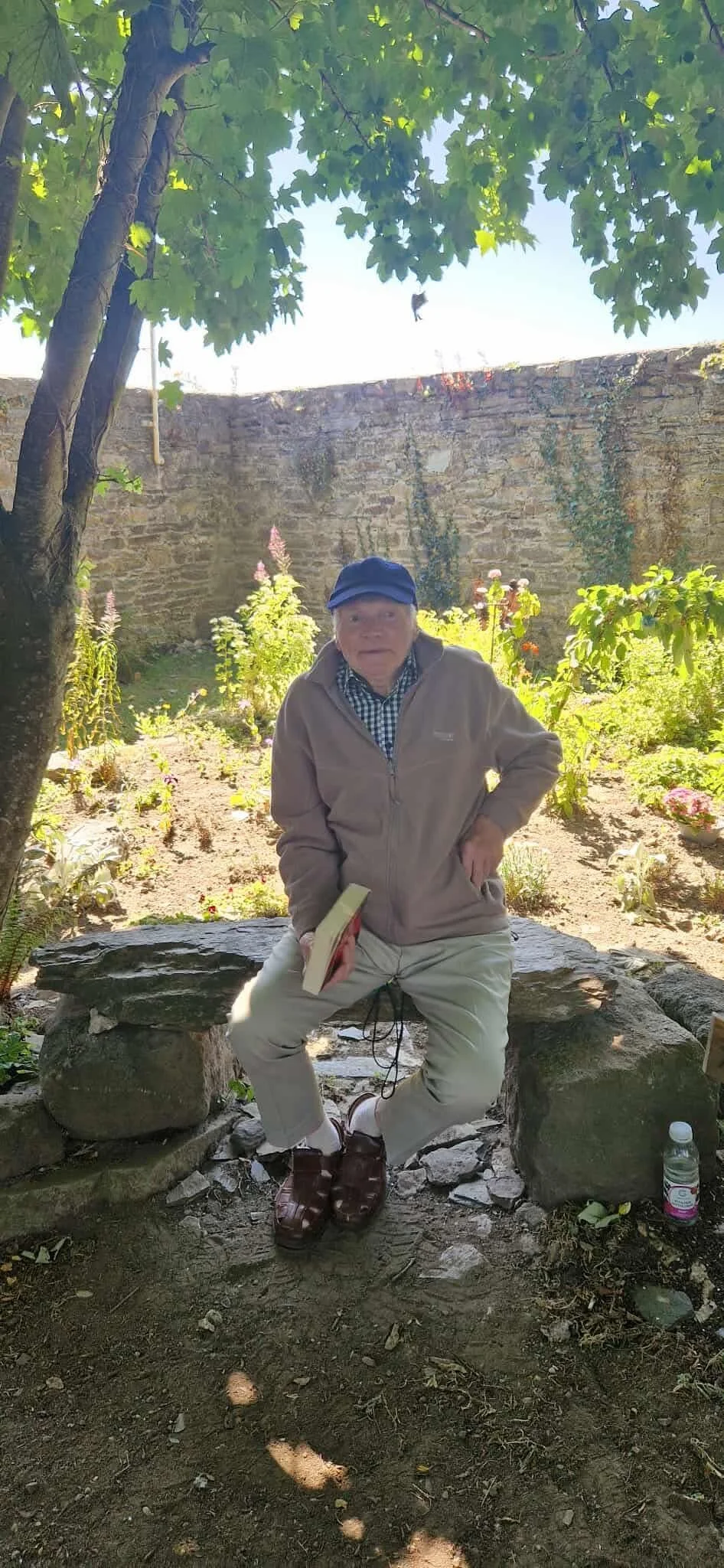
The Dream of a Young Girl and Her Grandfather
How Kilbarry Knights Templar Graveyard was saved by a school project begun by a 10 year old girl named Katie Houlihan with her grandfather Paddy Houlihan.
-

A Community Participatory Outdoor Museum
-

Step Back In Time
SELF-GUIDED AUDIO TOUR
-
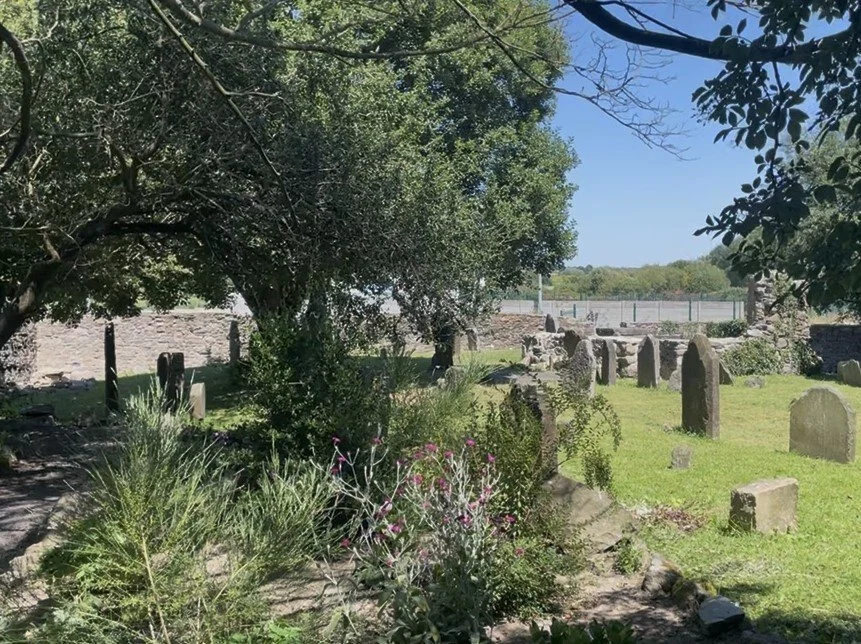
An Authentic Templar Garden
-
Maggie Moody's Butterfly Wall
REMEMBRANCE
-
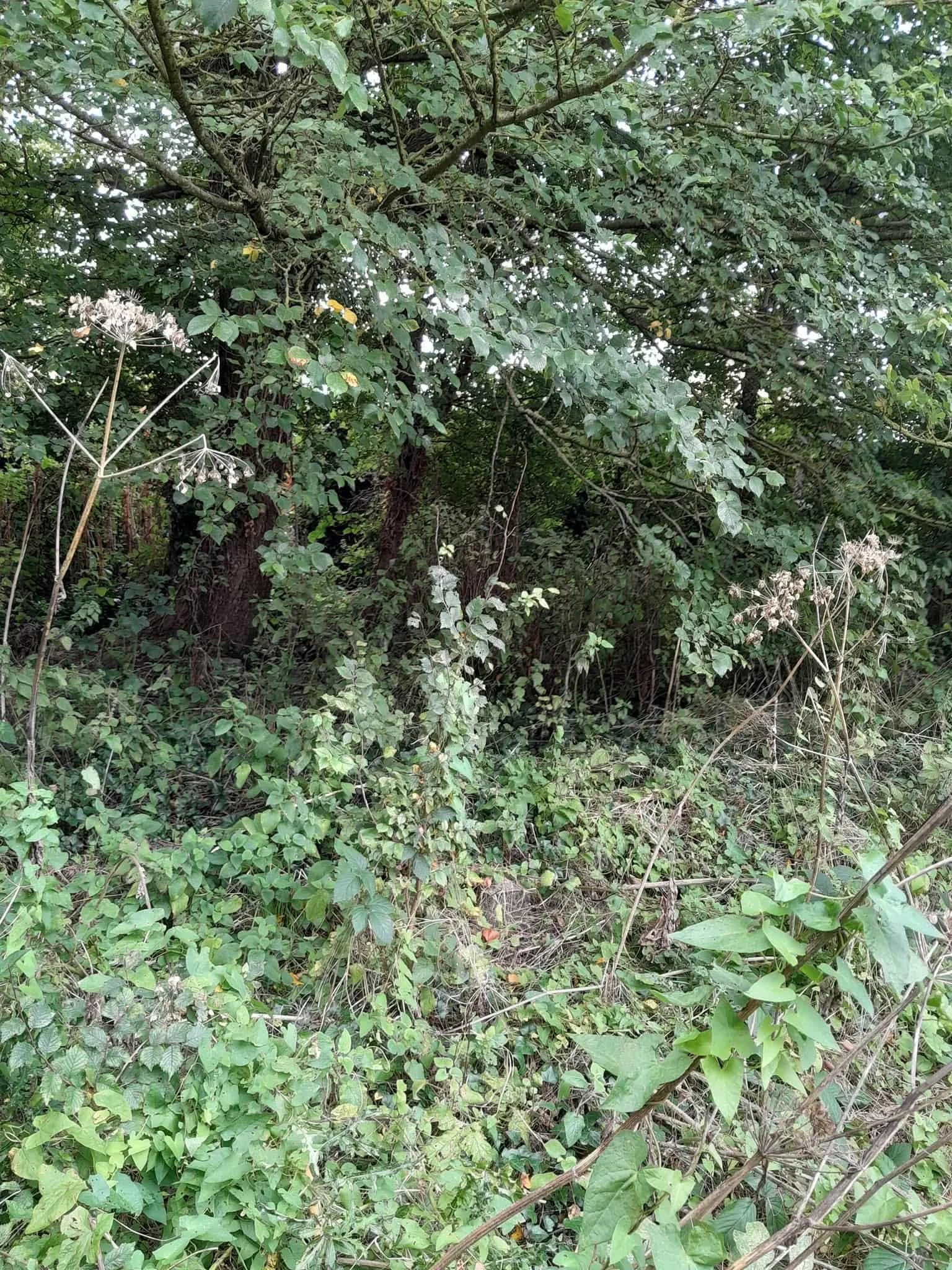
Photo Timeline
An illustrative photo time-line of the early day’s of Kilbarry Knights Templar cemetery gardens restoration
-
Kilbarry Knights Templar Graveyard Project
-
Virtual Katie's Corner

VIRTUAL WELL OF MEMORIES
Welcome to our “Virtual Well of Memories”, a living archive where you can share memories, names, photos, or reflections associated with the cemetery or the Templars. Along with the locals, you are invited to pin your own sticky here (click on image) —a message, a memory, or a hope to share with others. Together, these voices turn Kilbarry into a shared site of memory, keeping connections alive across time.
This practice follows the vision of Nina Simon’s participatory museum, which emphasizes that cultural spaces become most powerful when communities help create their meaning. As Simon reminds us: “Participation is not about technology—it’s about inviting people to be part of something bigger than themselves.” By leaving your words here, you help weave a collective story around Kilbarry—one that is not just preserved, but lived.
© 2025 Helena B. Scott. All rights reserved.