
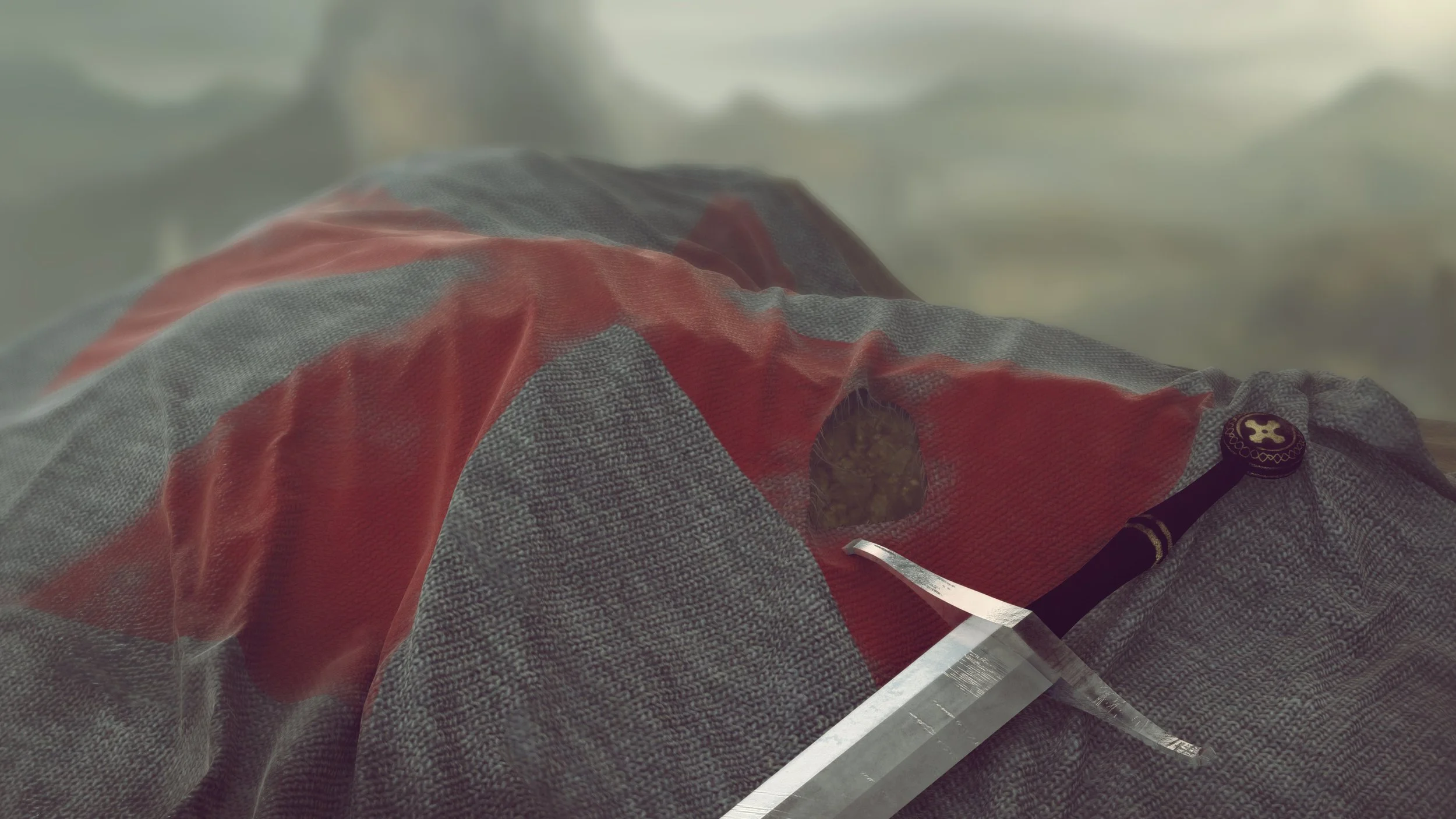
Kilbarry is more than a resting place.
It is the echo of vows kept across borders, of knights who gave their hearts to what they believed was just and true, and of a spiritual order whose memory persists despite persecution and exile—and like the Templars, it refuses to fade, living on in the hearts of those who grew up playing among its gravestones, unaware of its history and untold story, but who later returned to safeguard its legacy for future generations.
Helena B. Scott
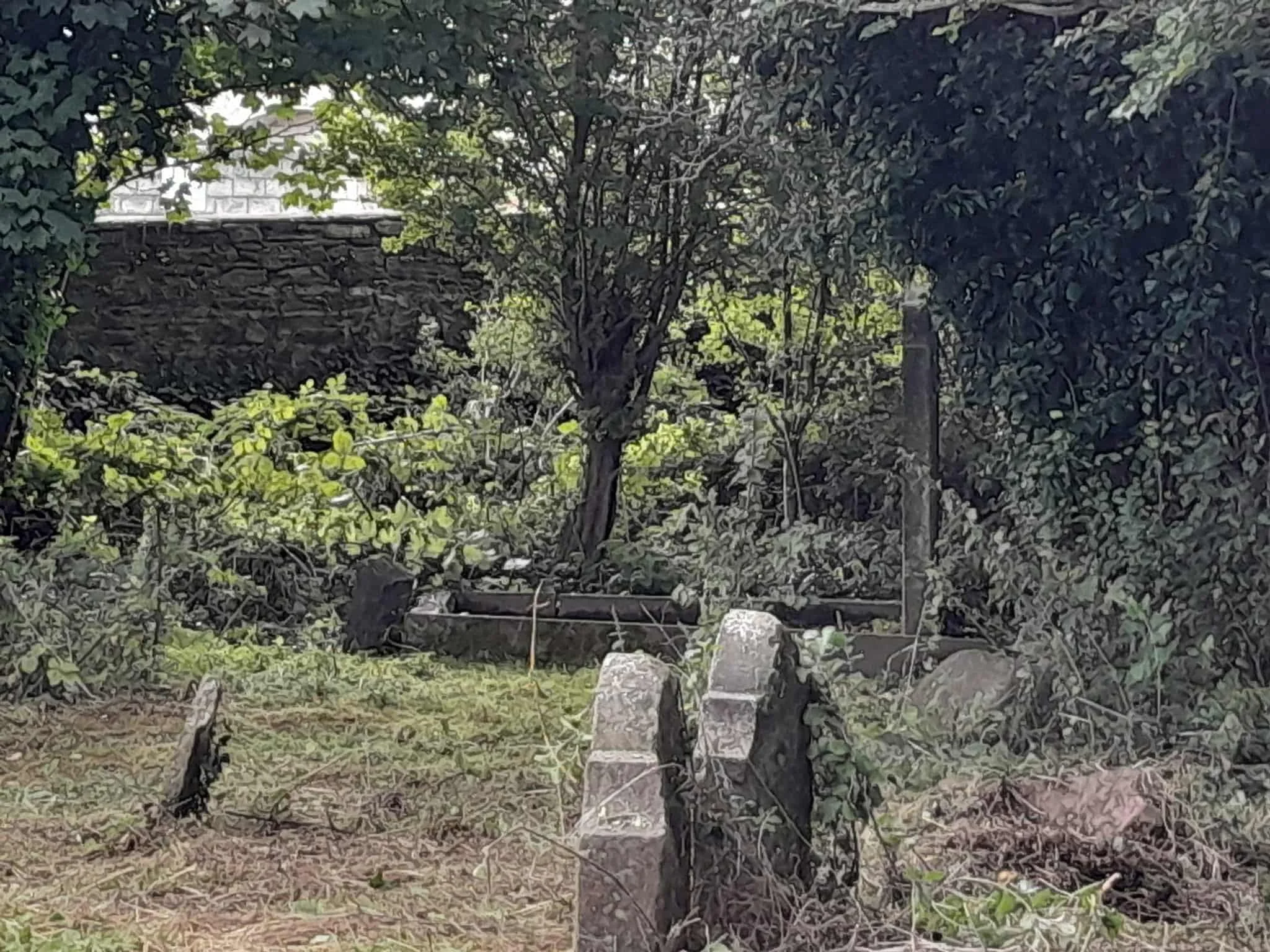
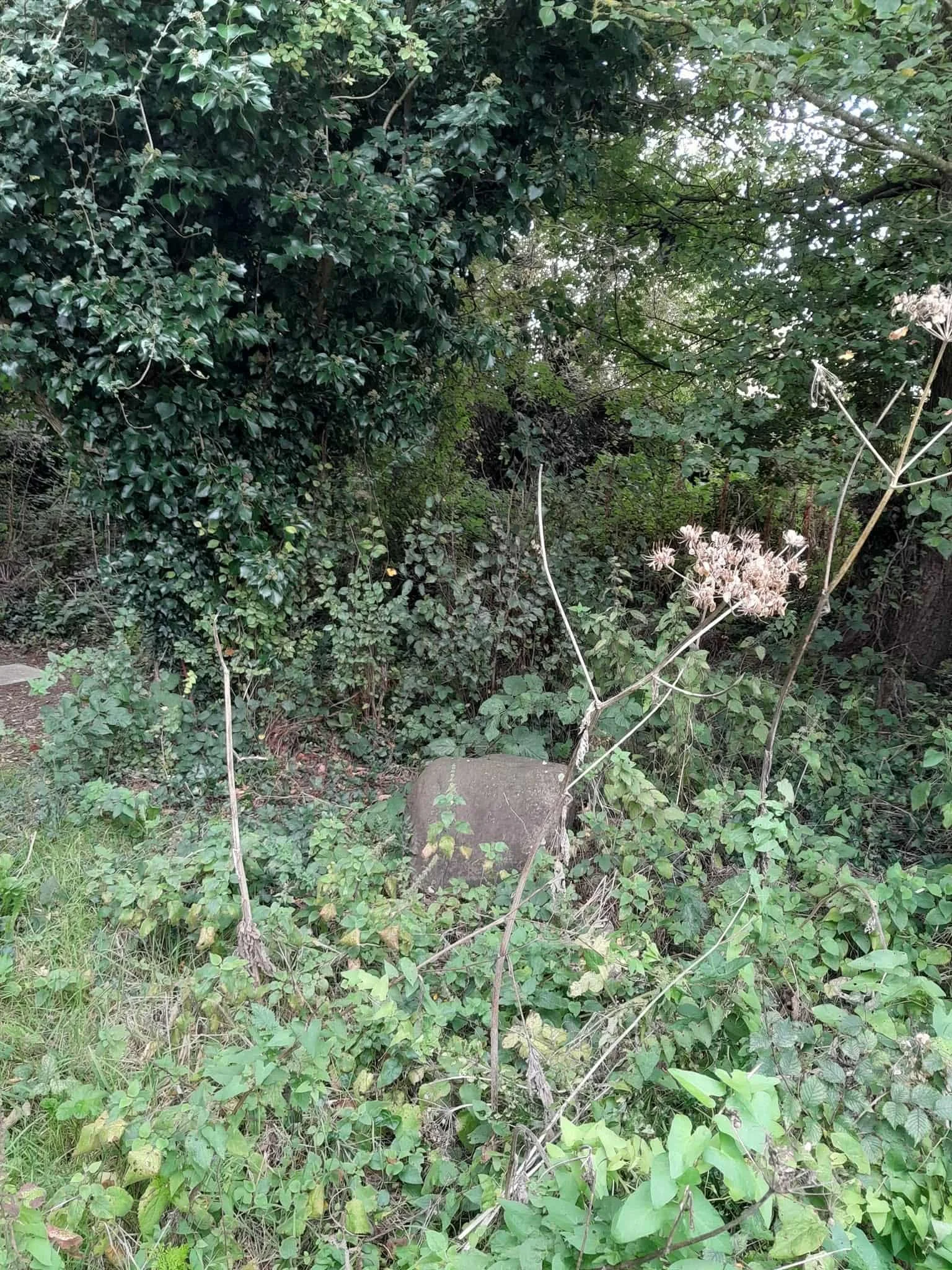
Heritage is not preserved by stone alone. It survives because ordinary people choose to remember, to care, and to leave behind acts of love that become part of a place's story.
— Helena B. Scott
The Knights Templar Graveyard Project
The Knights Templar Graveyard Project in Kilbarry, Waterford is a quietly powerful example of how grassroots heritage work can revive a forgotten medieval landscape through care, persistence, and community spirit.
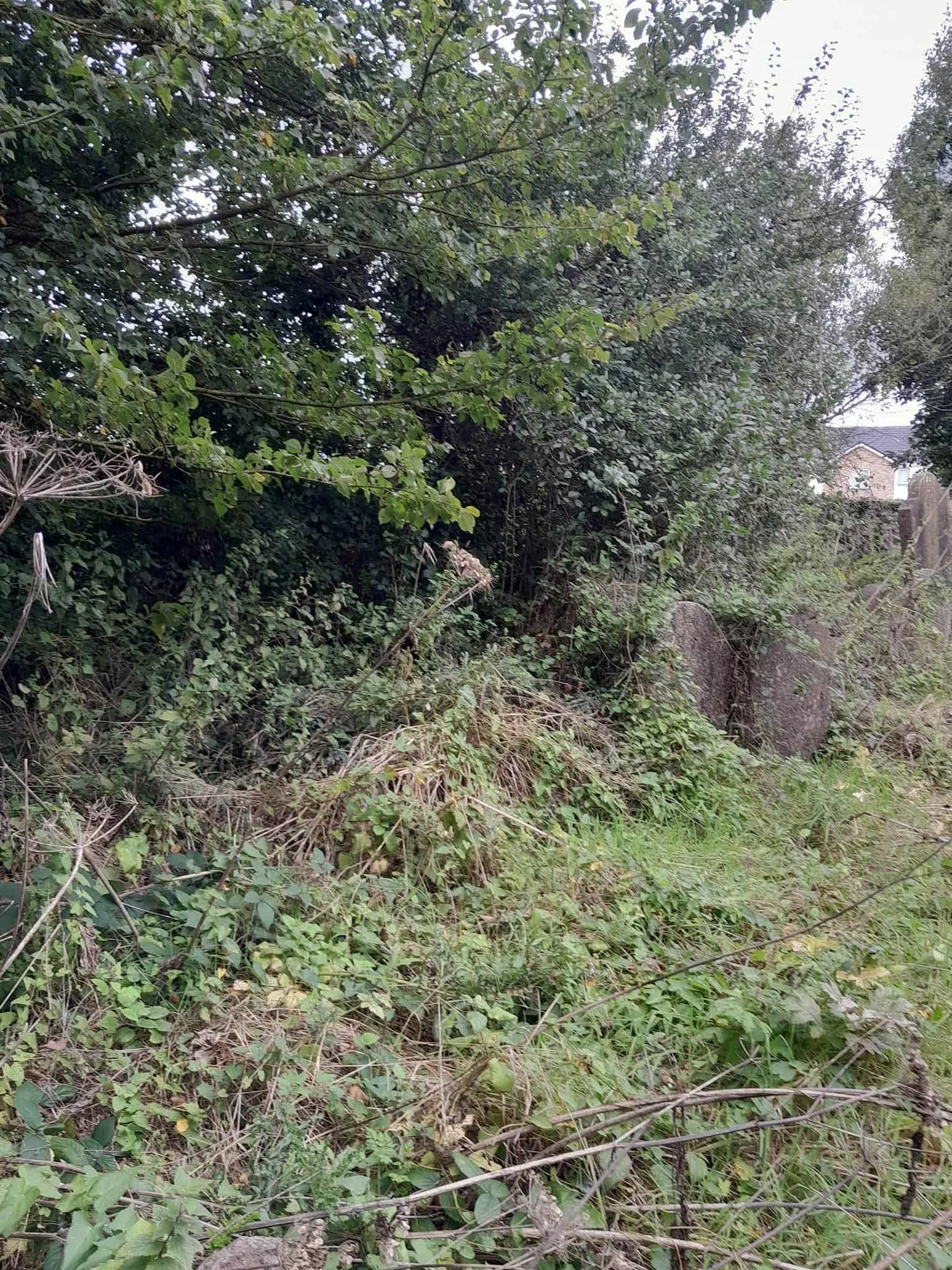
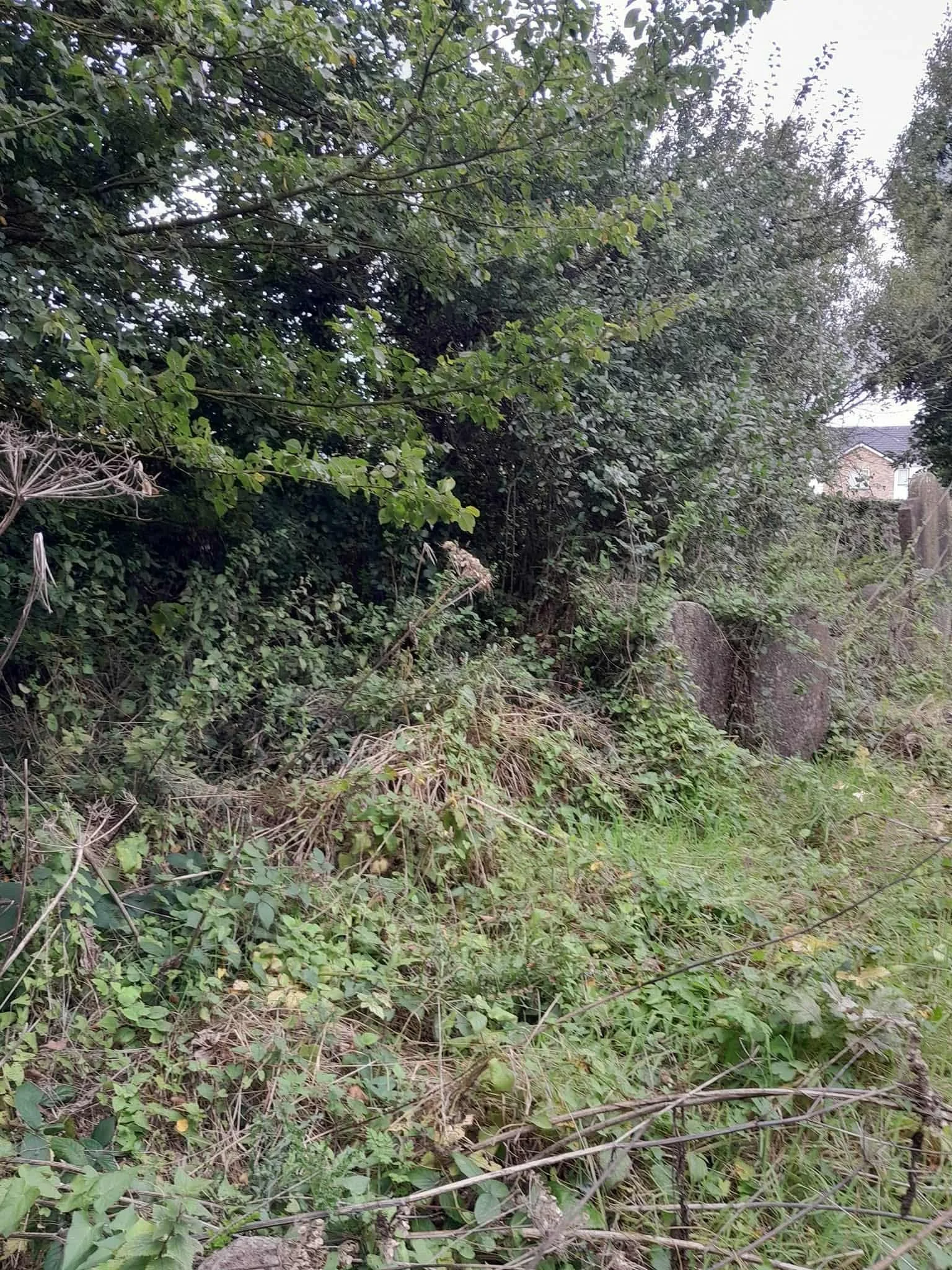
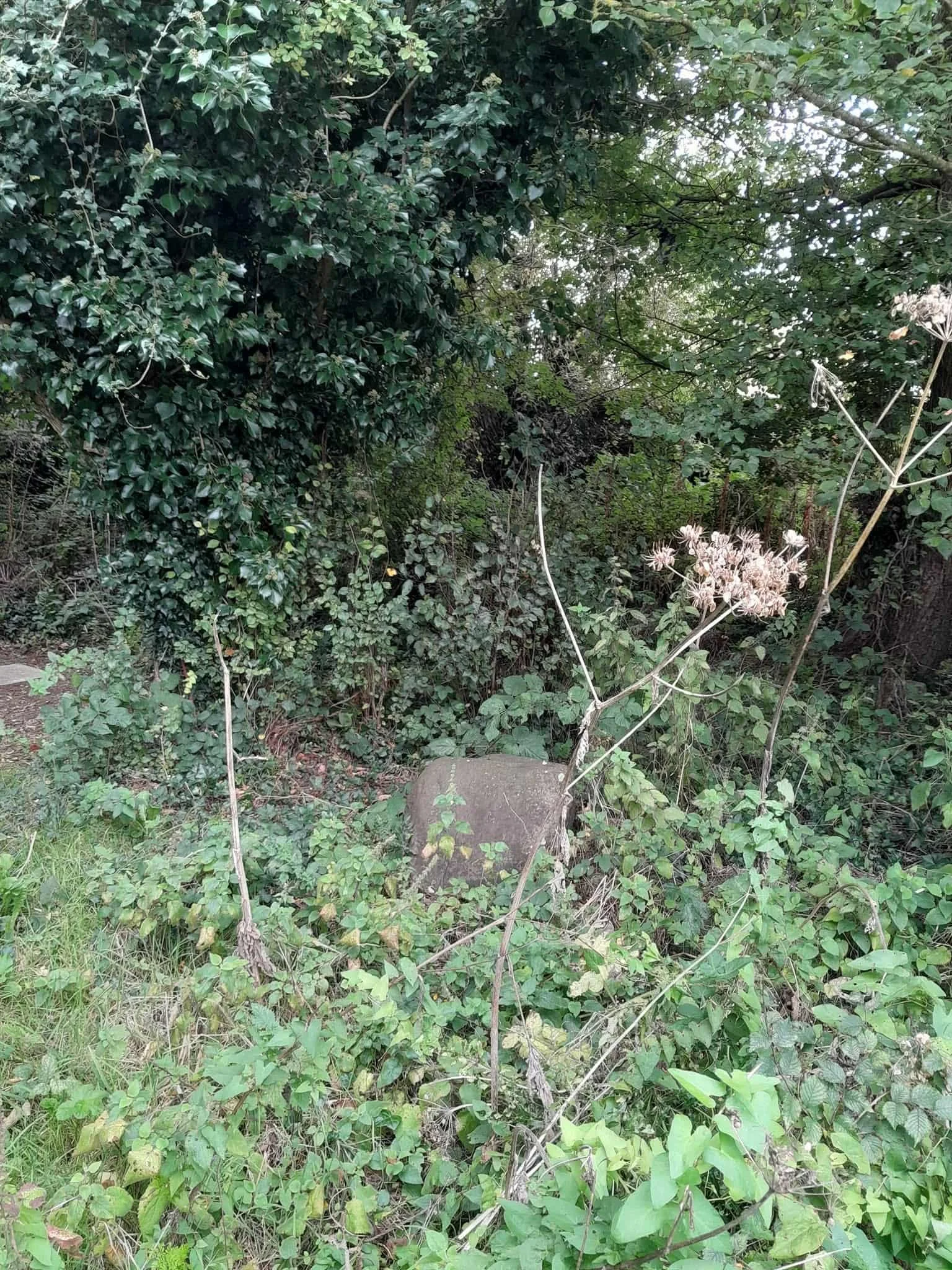
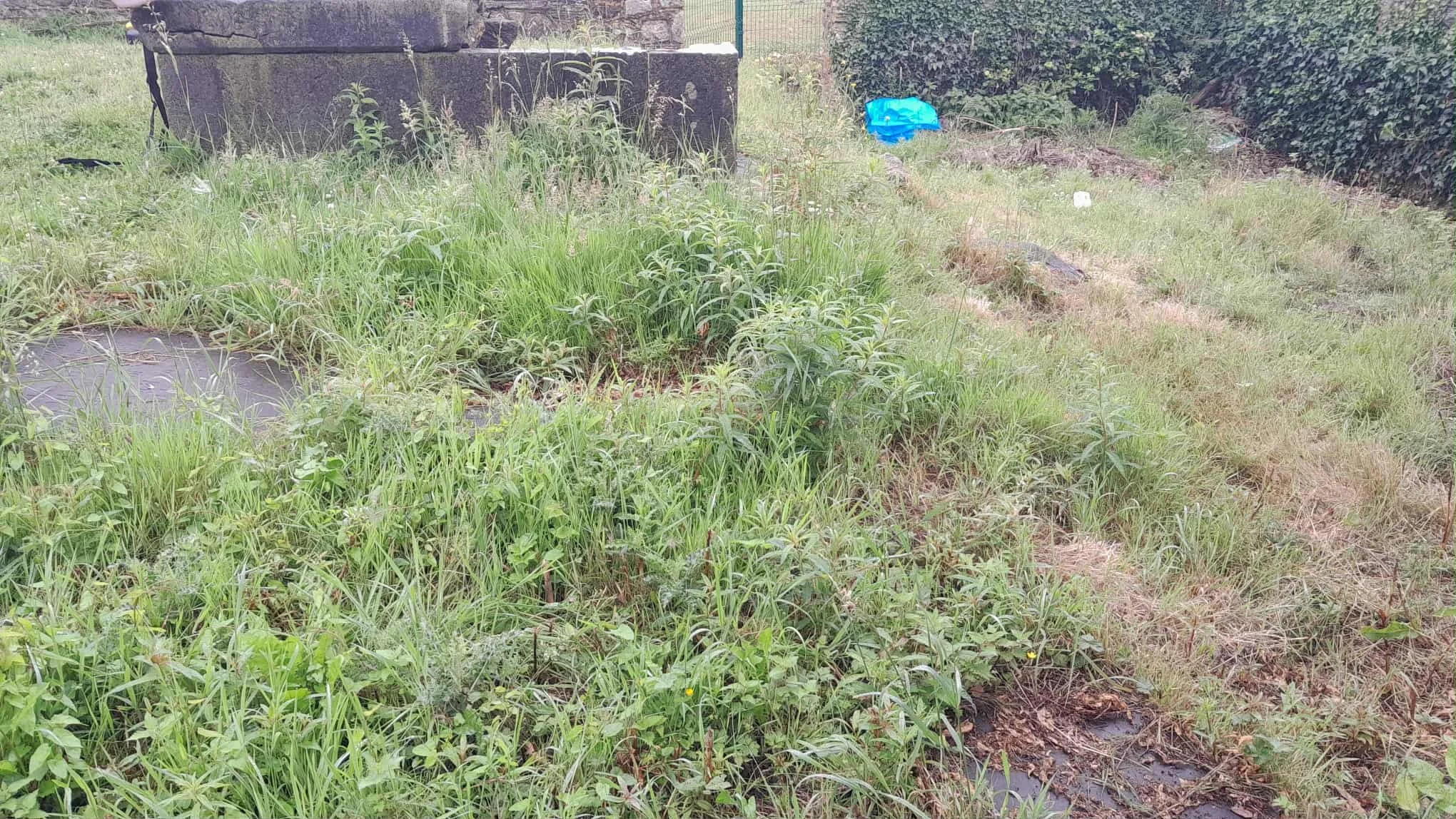
The site itself, located near the Lacken Road area in Kilbarry, is traditionally associated with a medieval Knights Templar preceptory, later linked to the Knights Hospitaller, placing it among Waterford’s most historically layered ecclesiastical sites. Over centuries, it fell into severe neglect, eventually becoming heavily overgrown and almost inaccessible.
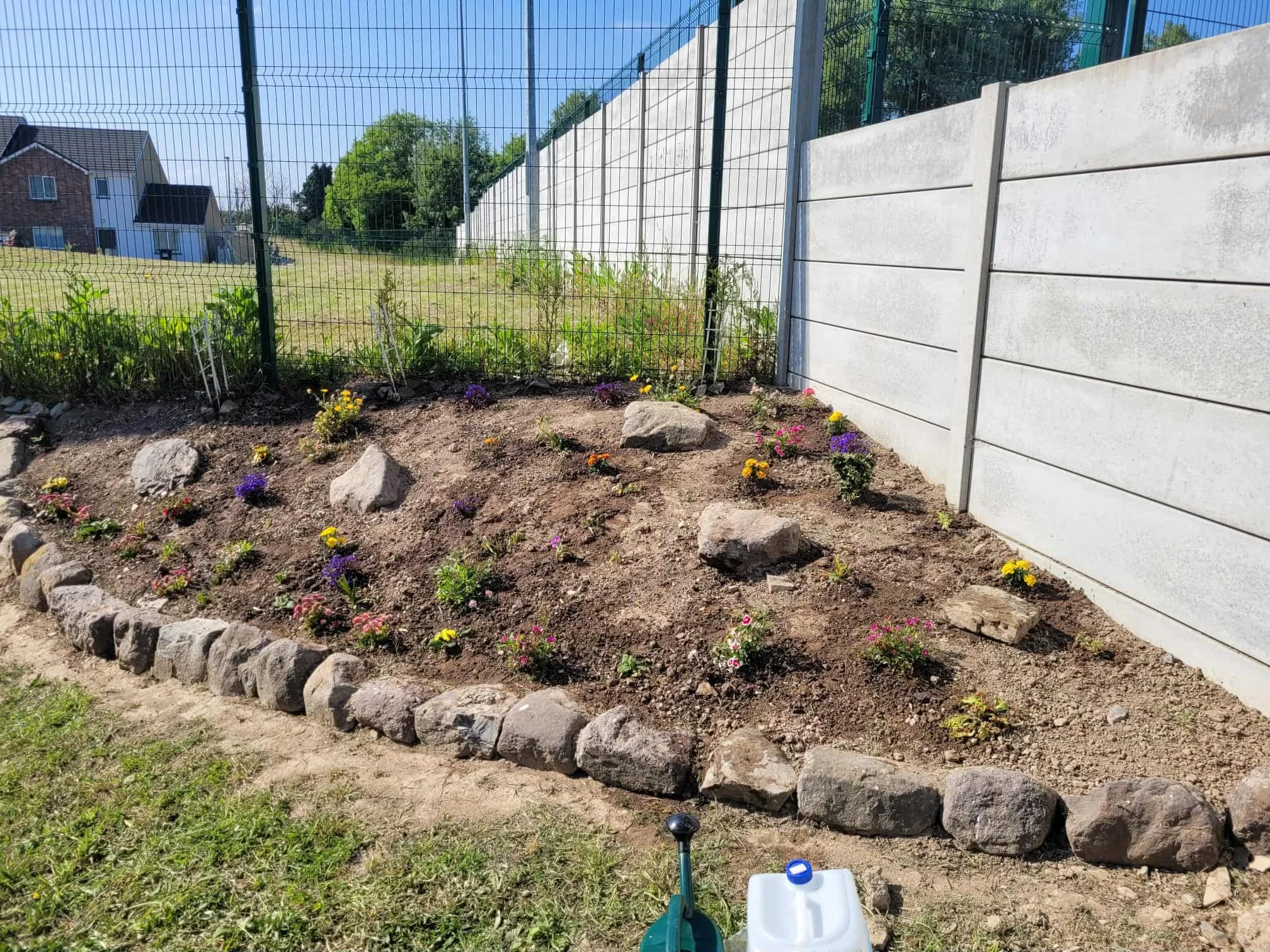
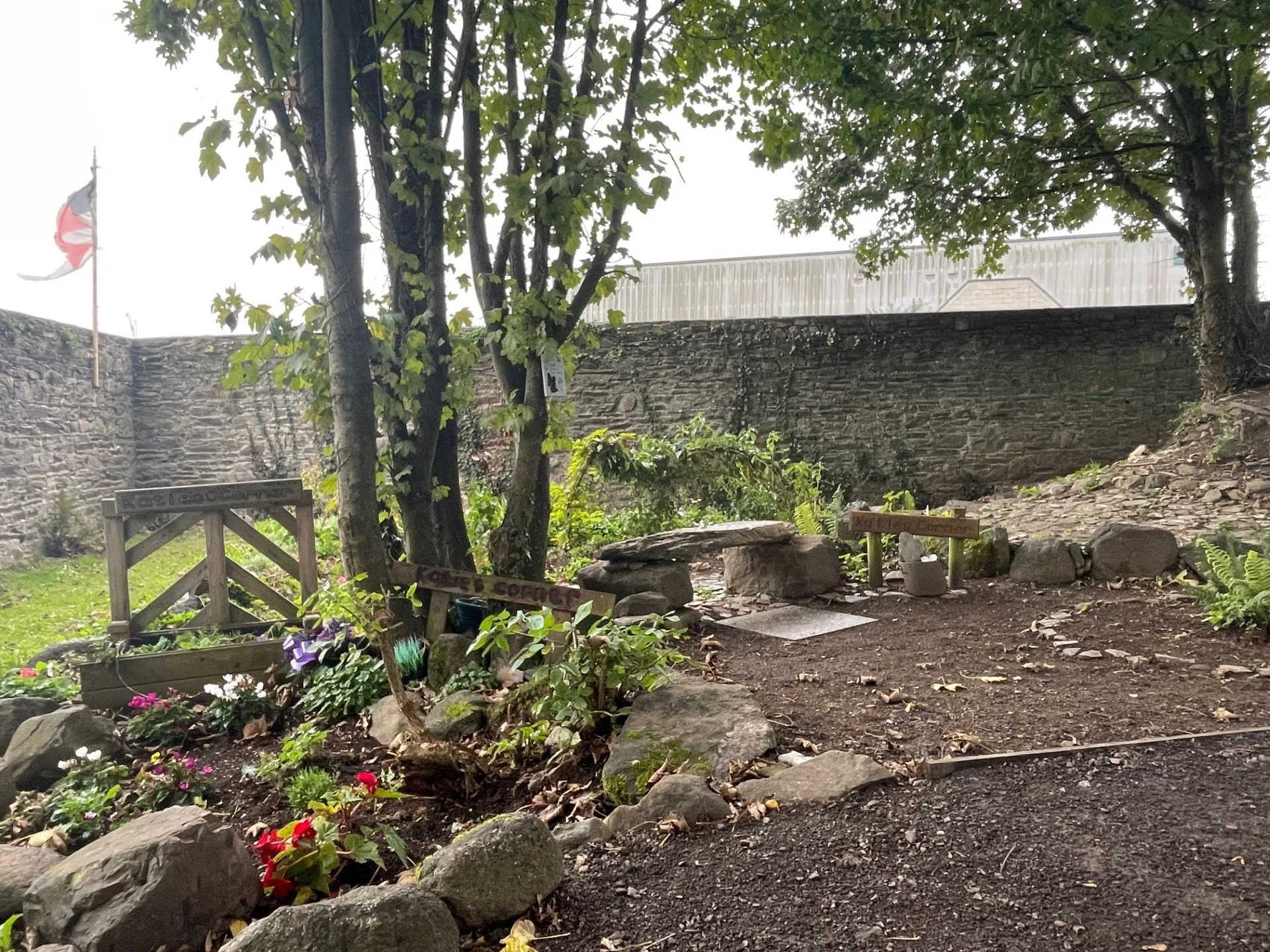
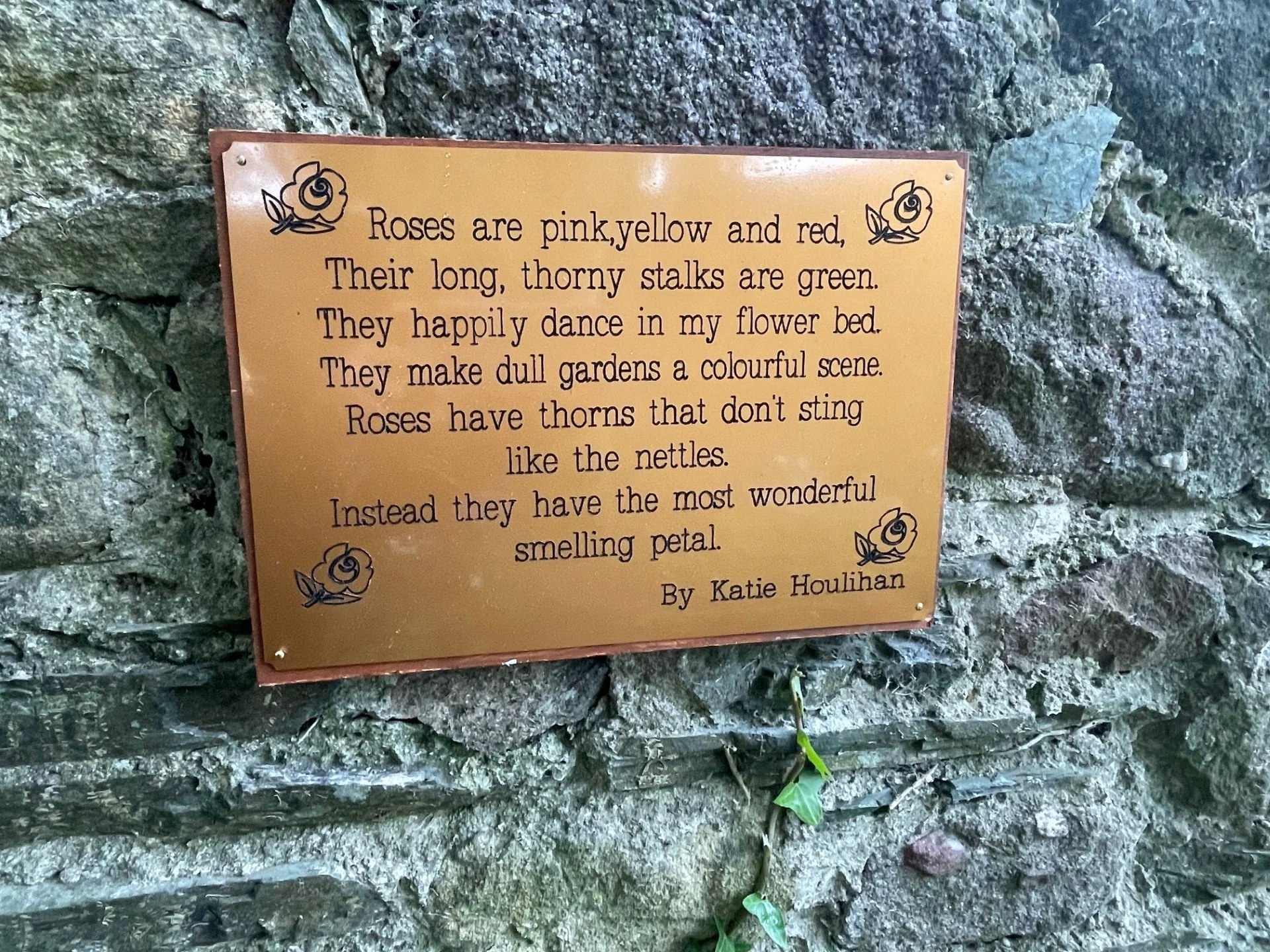
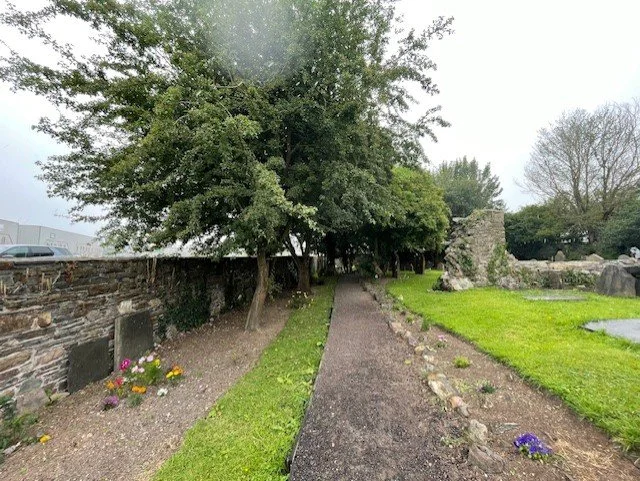
The modern restoration effort began with Paddy Houlihan, a local man from Ballybeg, who became concerned about the condition of the graveyard and began working on it with his young granddaughter, Katie Houlihan, originally as a school-based initiative, read the full story here from my interview with Paddy in “The Dream of a Young Girl and Her Grandfather”. What began as a family-led act of care gradually grew into a wider volunteer movement. Katie became a symbolic heart of the project, with a dedicated area of the site later affectionately known as “Katie’s Corner.”
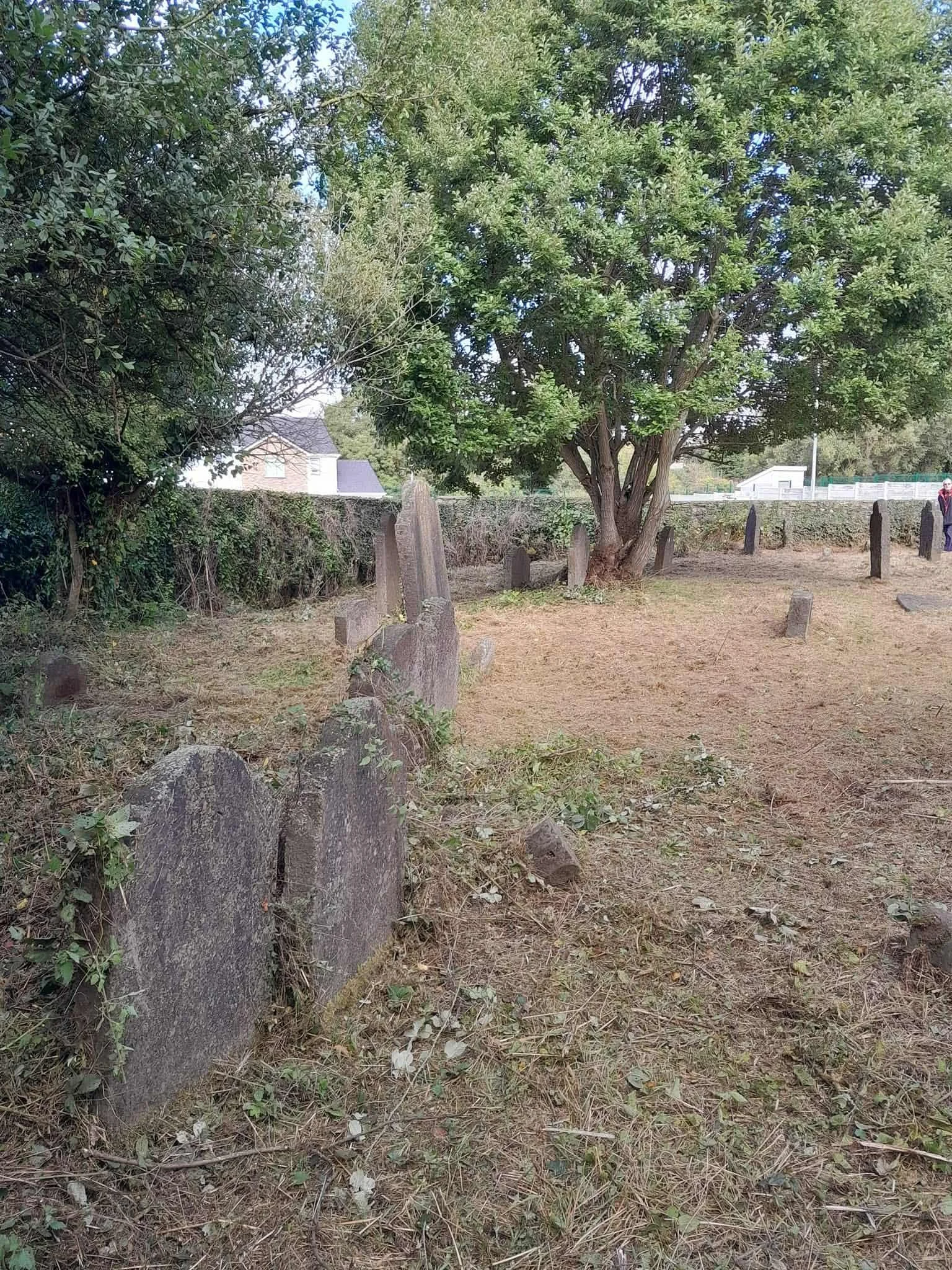
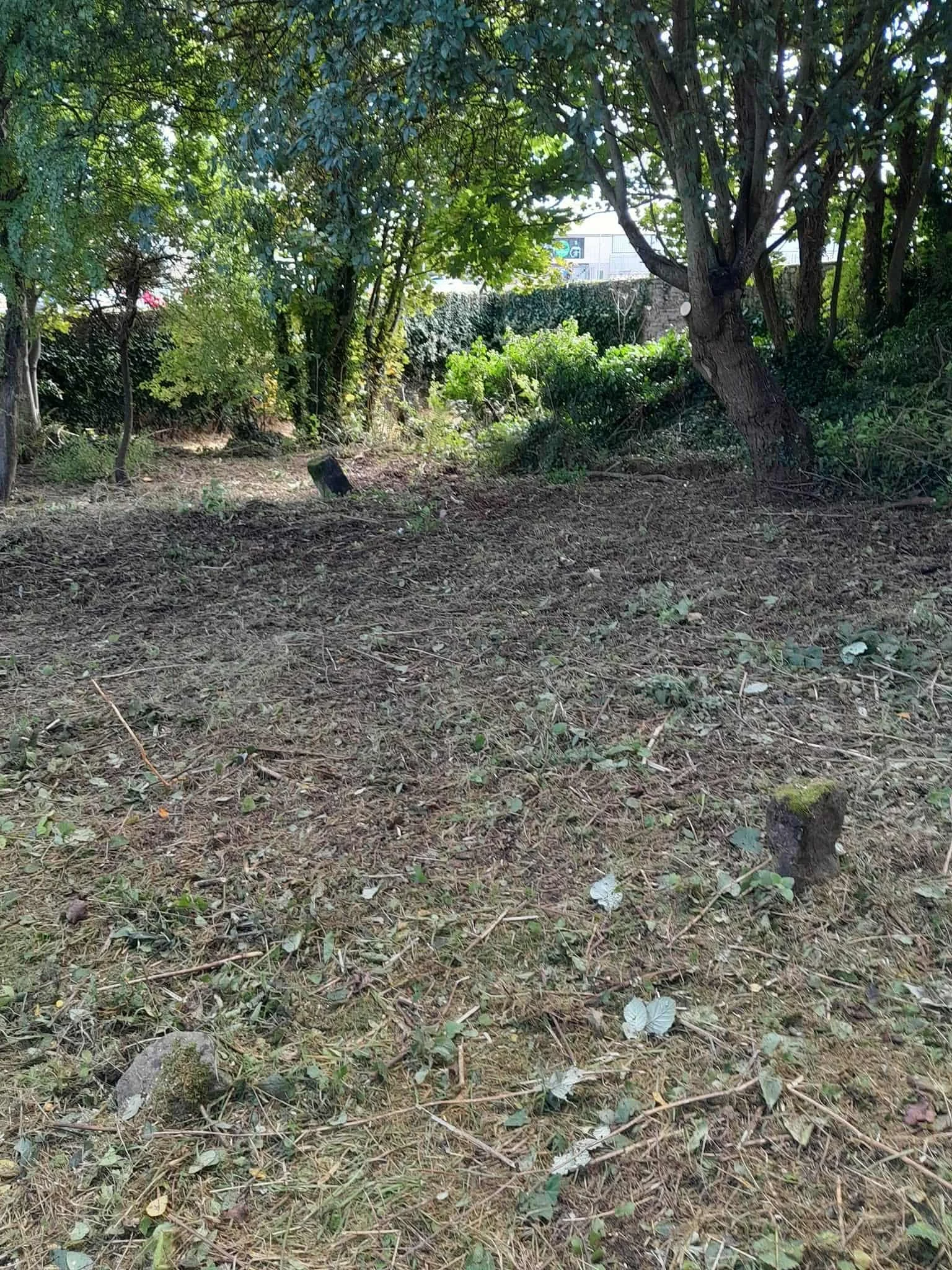
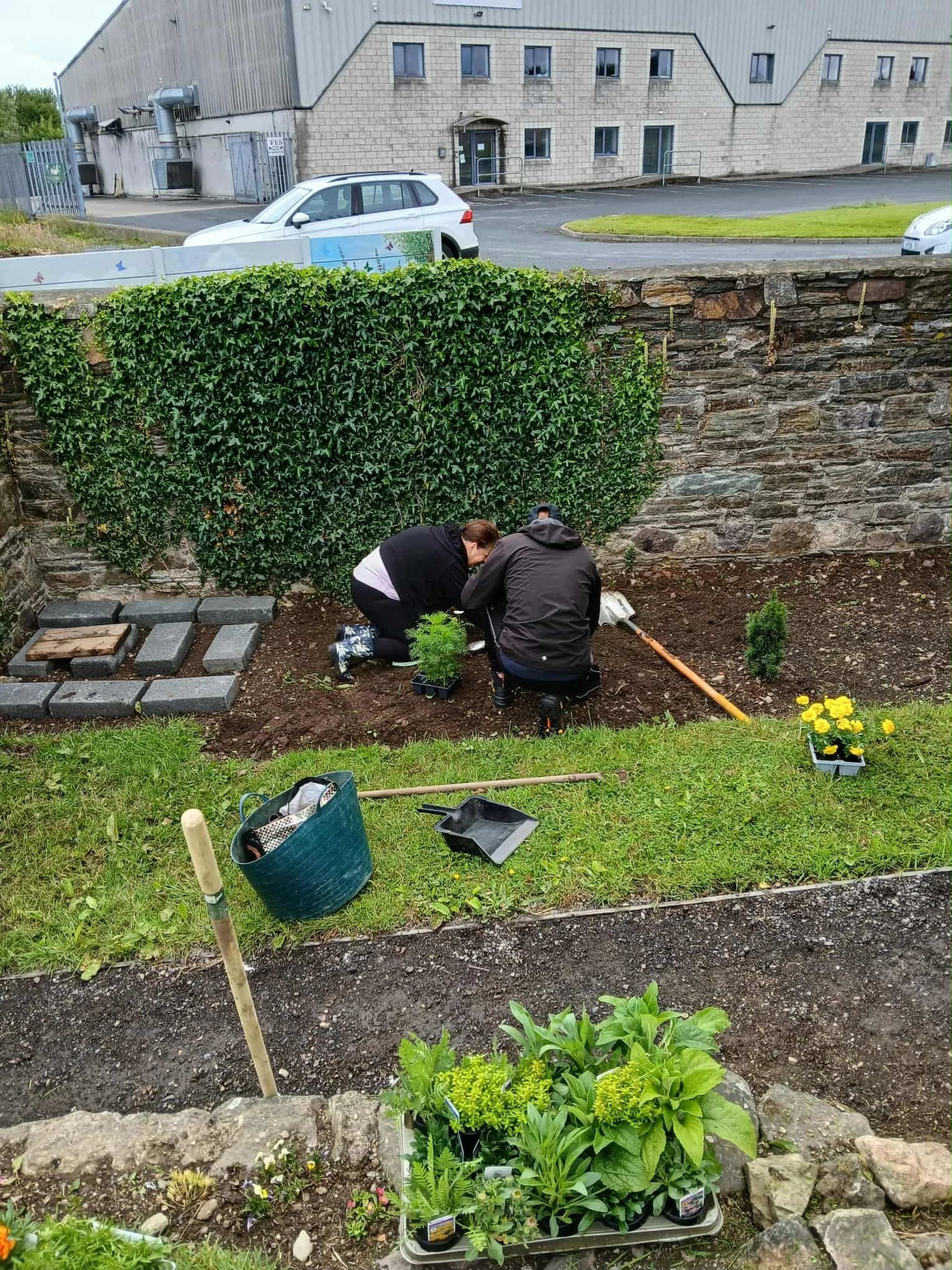
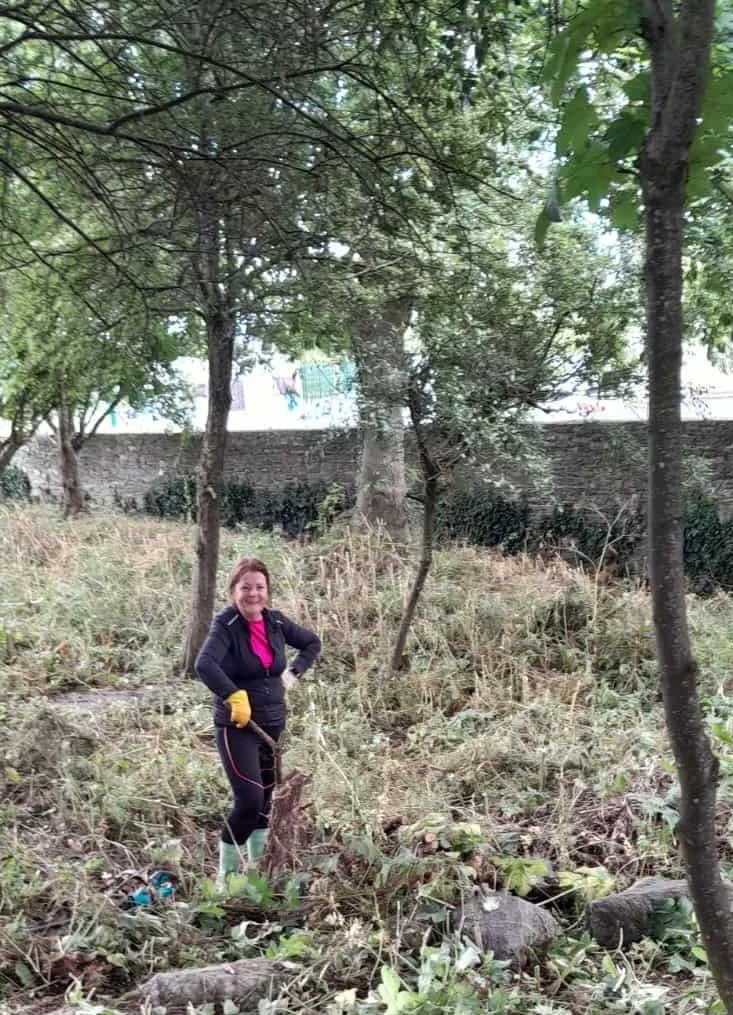
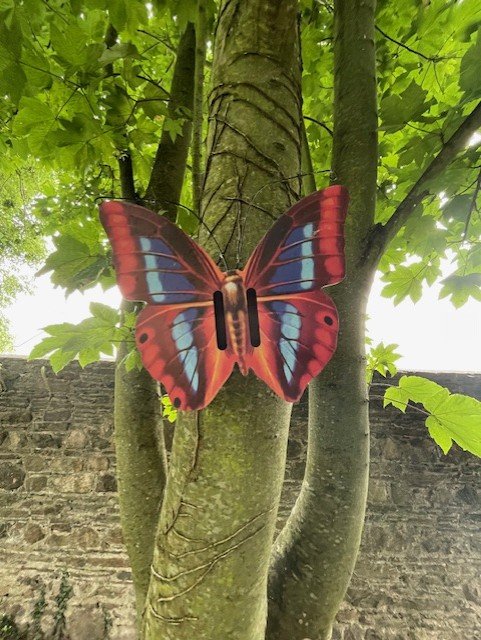
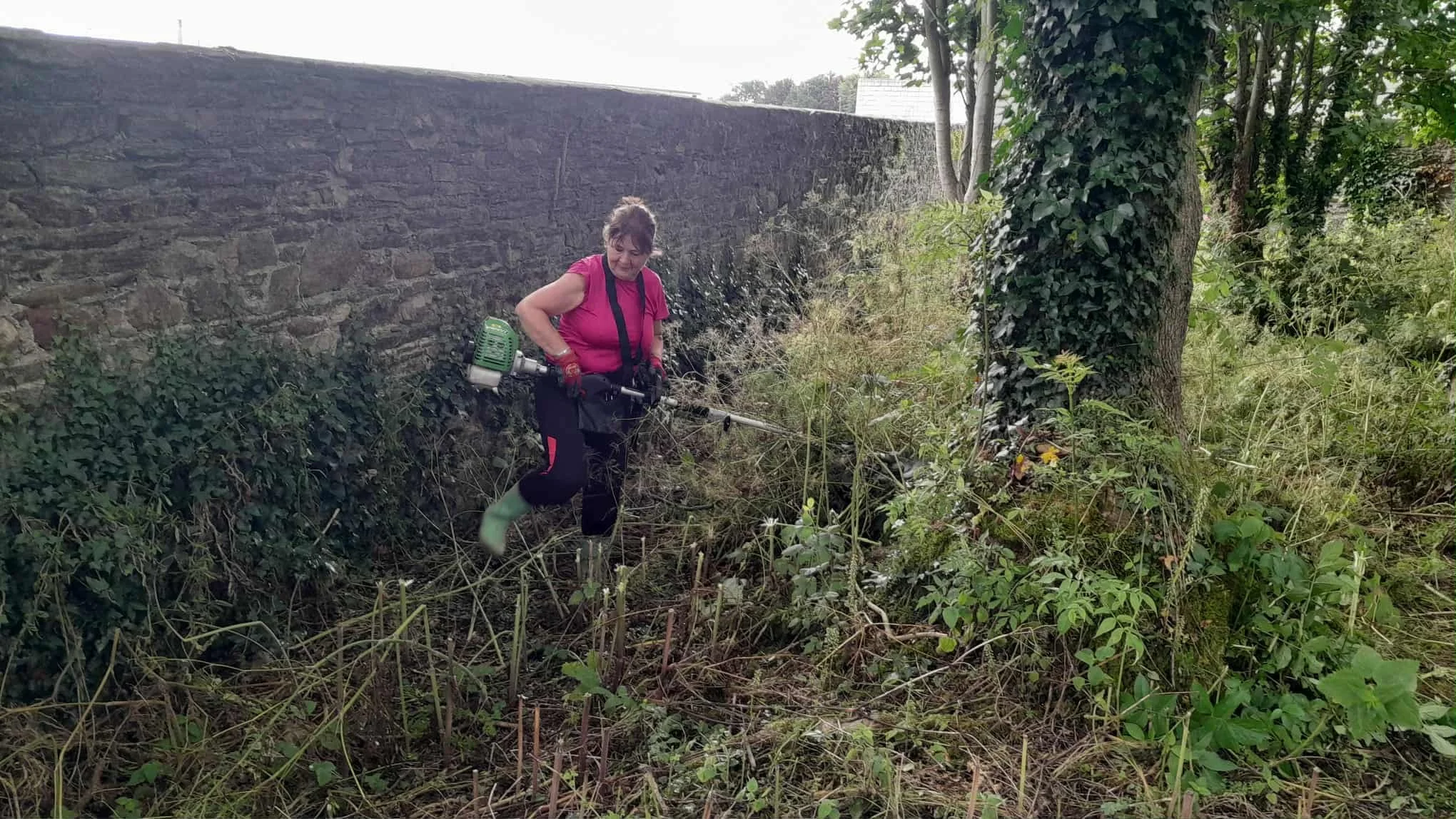
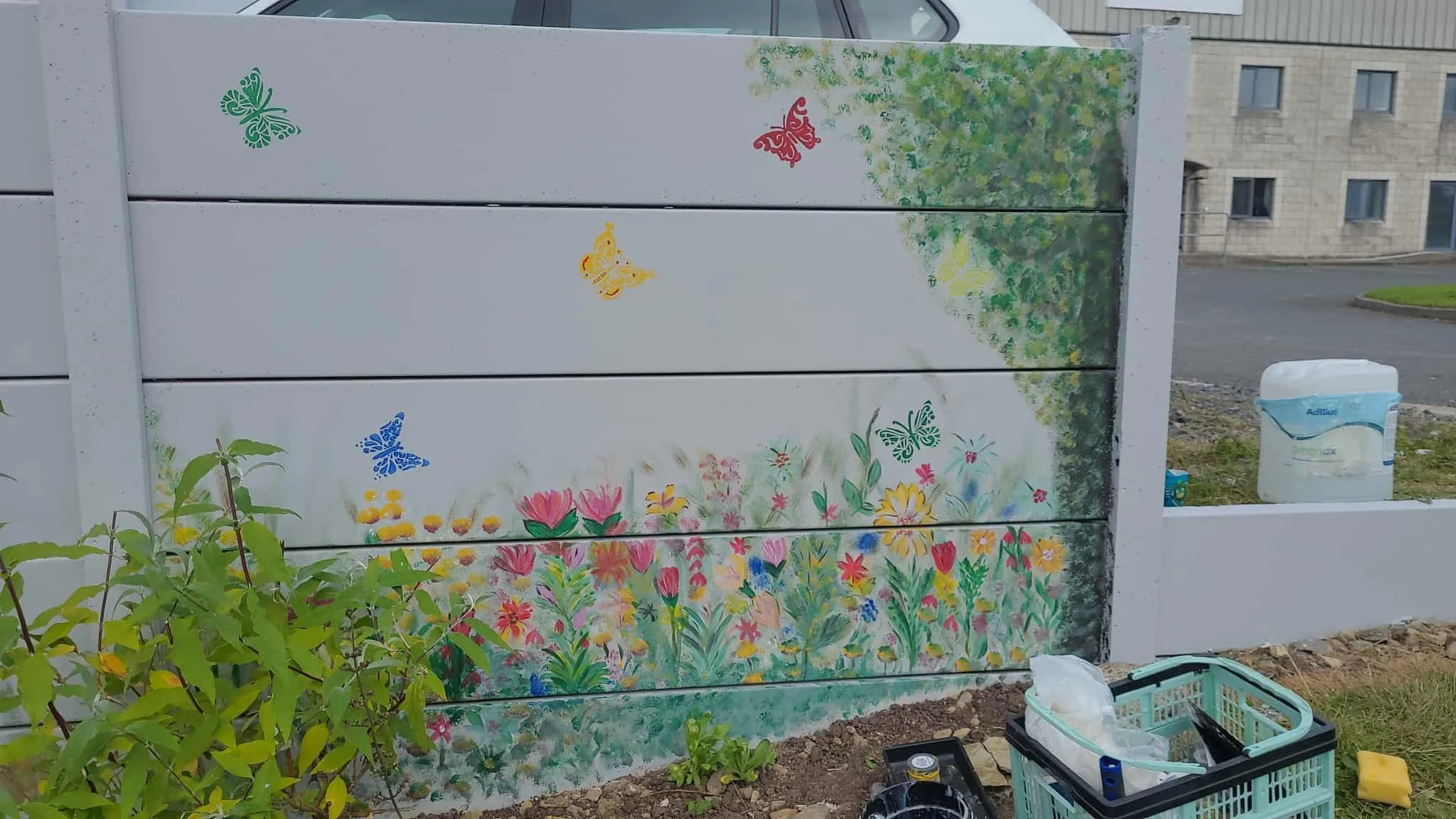
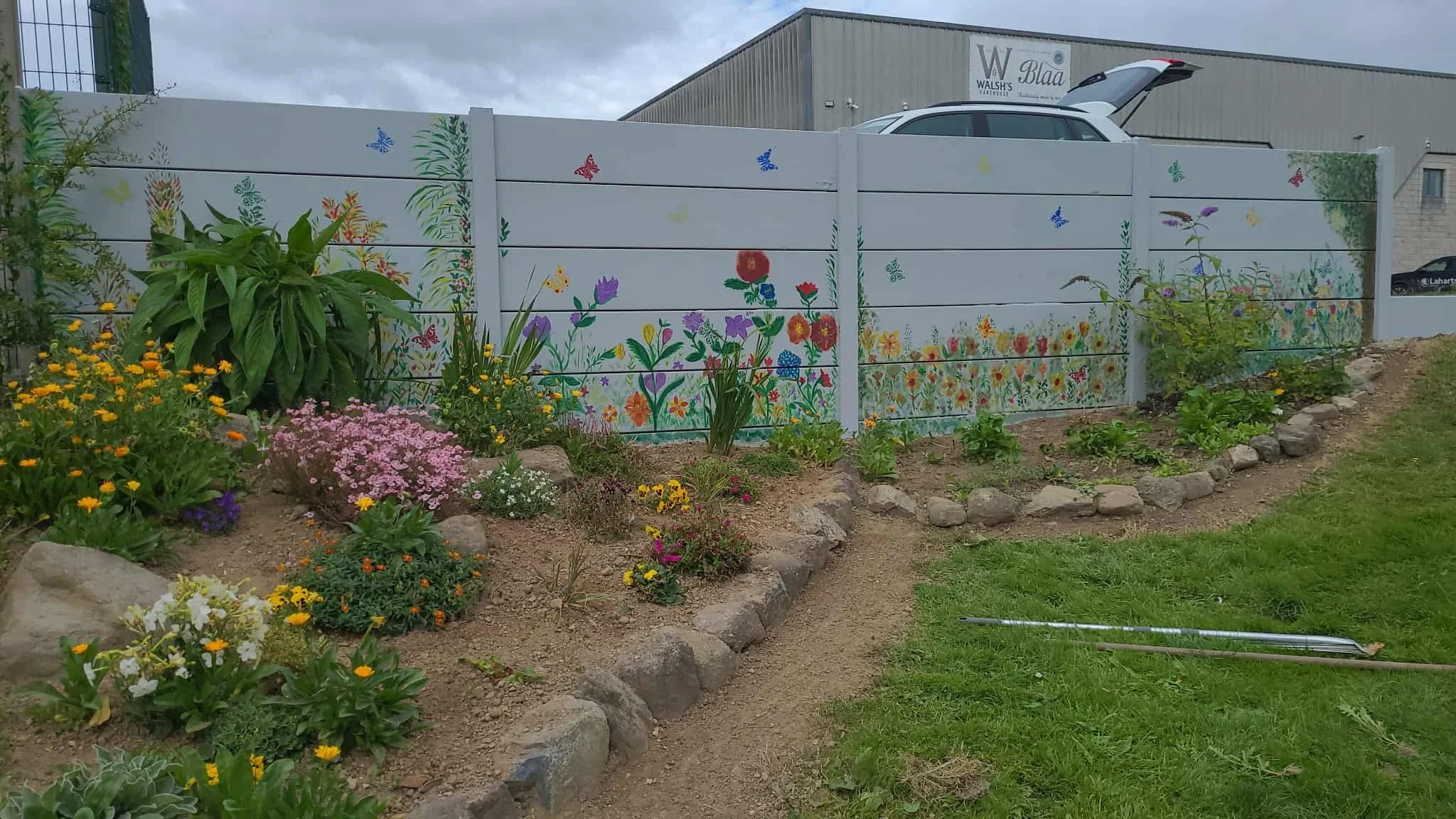
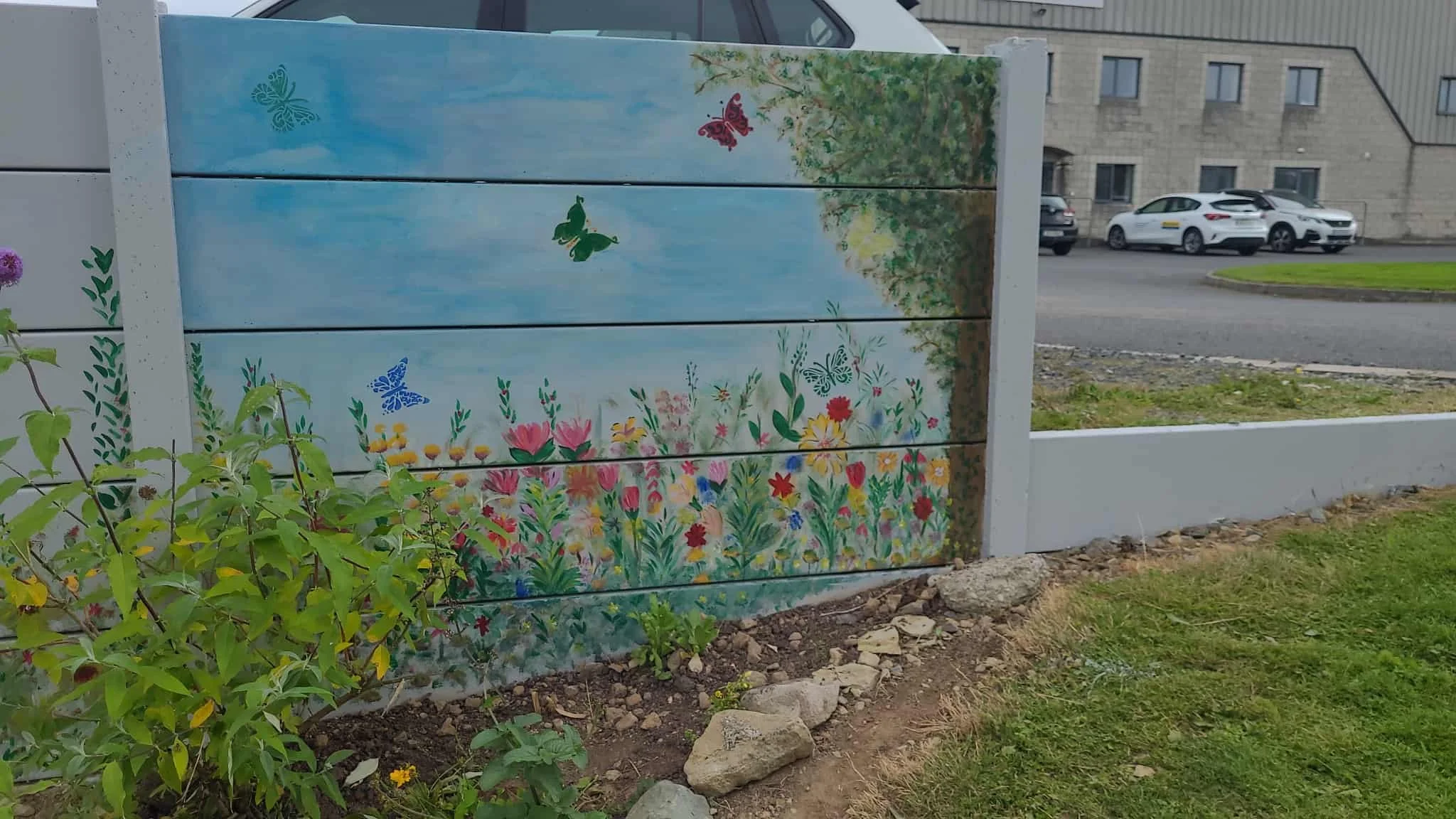
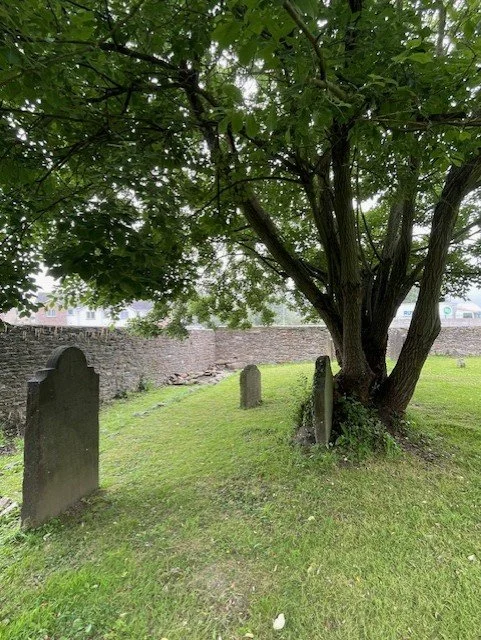
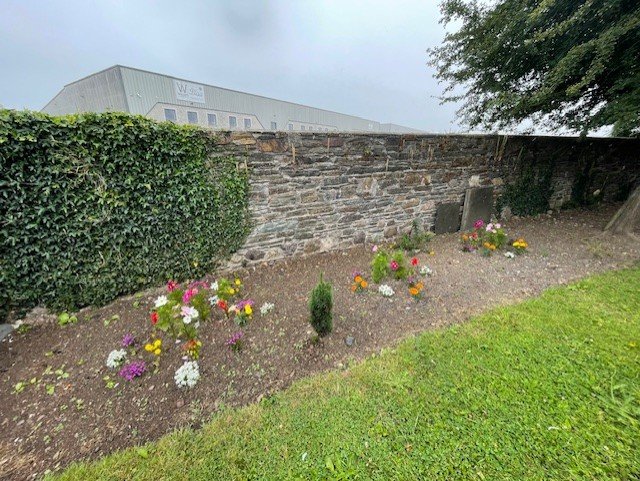
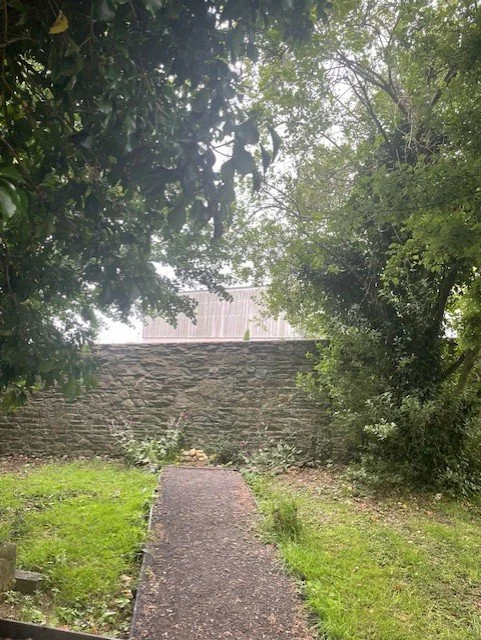
They were shortly joined by Maggie Moody, who created the beautiful butterfly wall, read my article on it from my interview with Maggie here in “Maggie’s Butterfly Wall”. Over time, volunteers formed a loose community group that began clearing brambles, restoring pathways, documenting headstones, and re-establishing access to the graveyard. Their work transformed what had been an almost “lost” heritage site into a living green space of remembrance and reflection. The graveyard is now regularly maintained by thesevolunteers and local residents who continue planting, cleaning, and protecting it.
The project has also received civic recognition, with visits from local officials and heritage bodies, acknowledging the group’s contribution to safeguarding Waterford’s medieval past. A restored 1700s tombstone after vandalism further highlighted the ongoing commitment of volunteers and local conservation specialists working alongside them.
Today, the Kilbarry Knights Templar Graveyard stands as something more than an archaeological site. It is a reclaimed place of memory; where medieval history, personal dedication, and community resilience meet. Though informal in structure, the volunteer group continues to act as custodians of a site that once risked being erased entirely from the landscape, ensuring its survival for future generations.
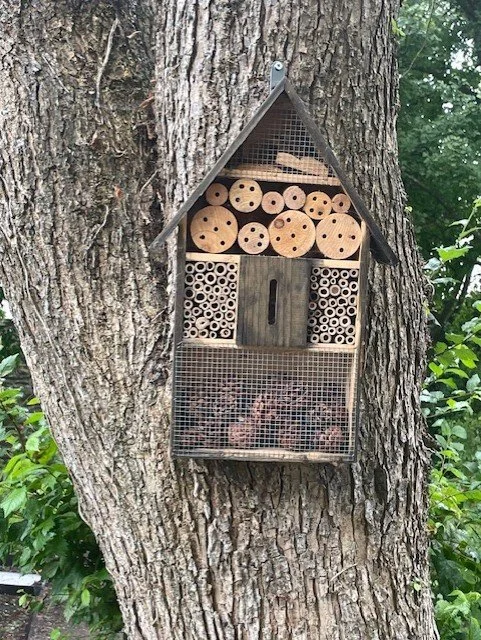
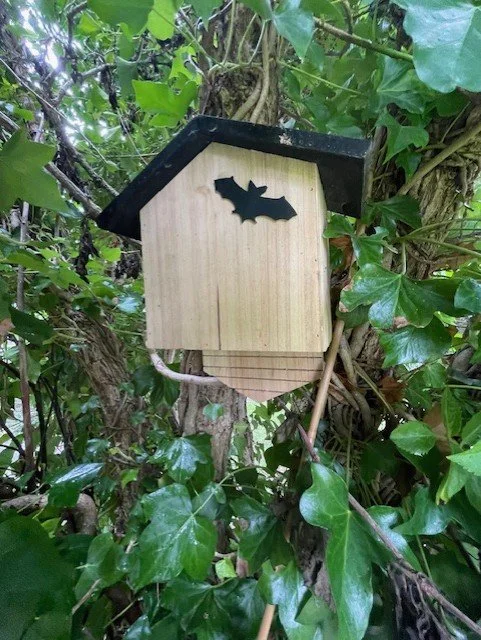
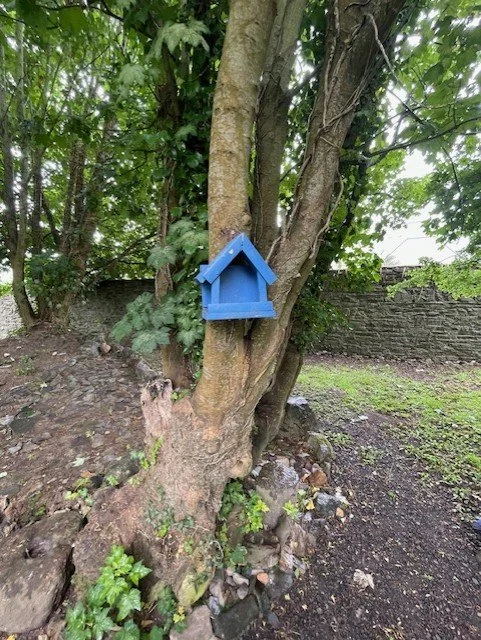
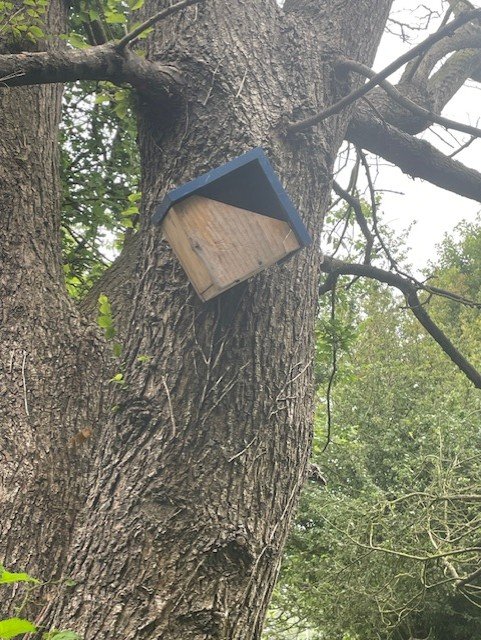
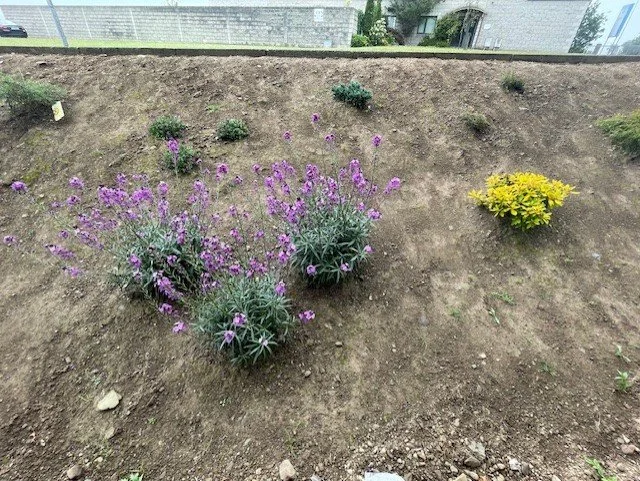
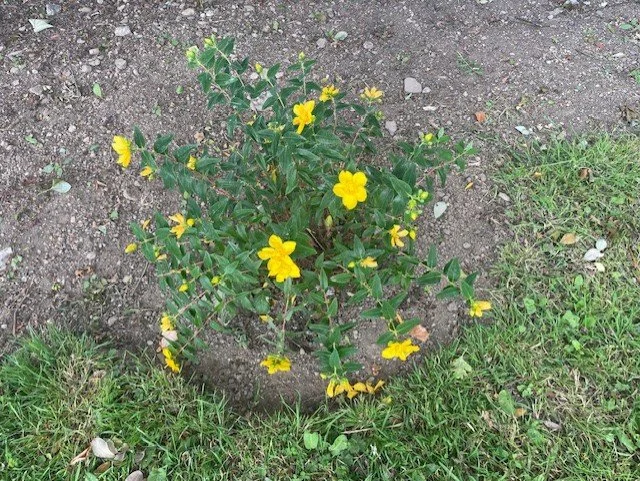
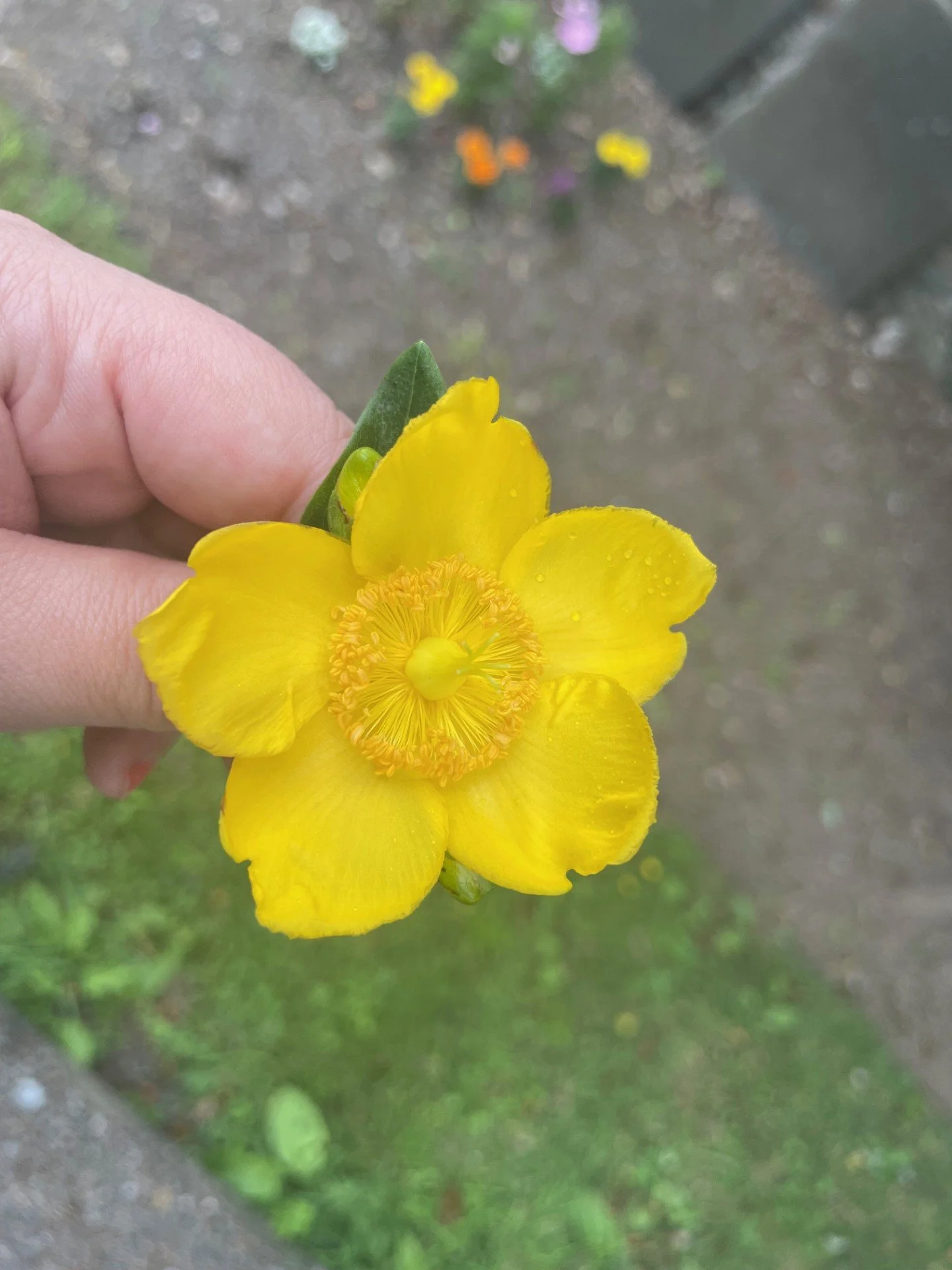
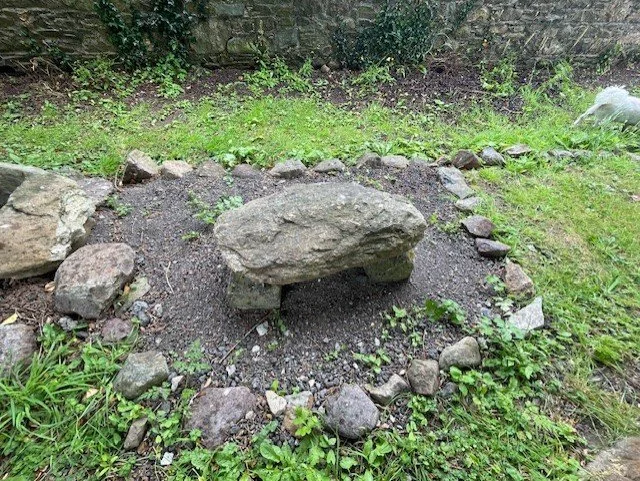
WILDLIFE HOTELS
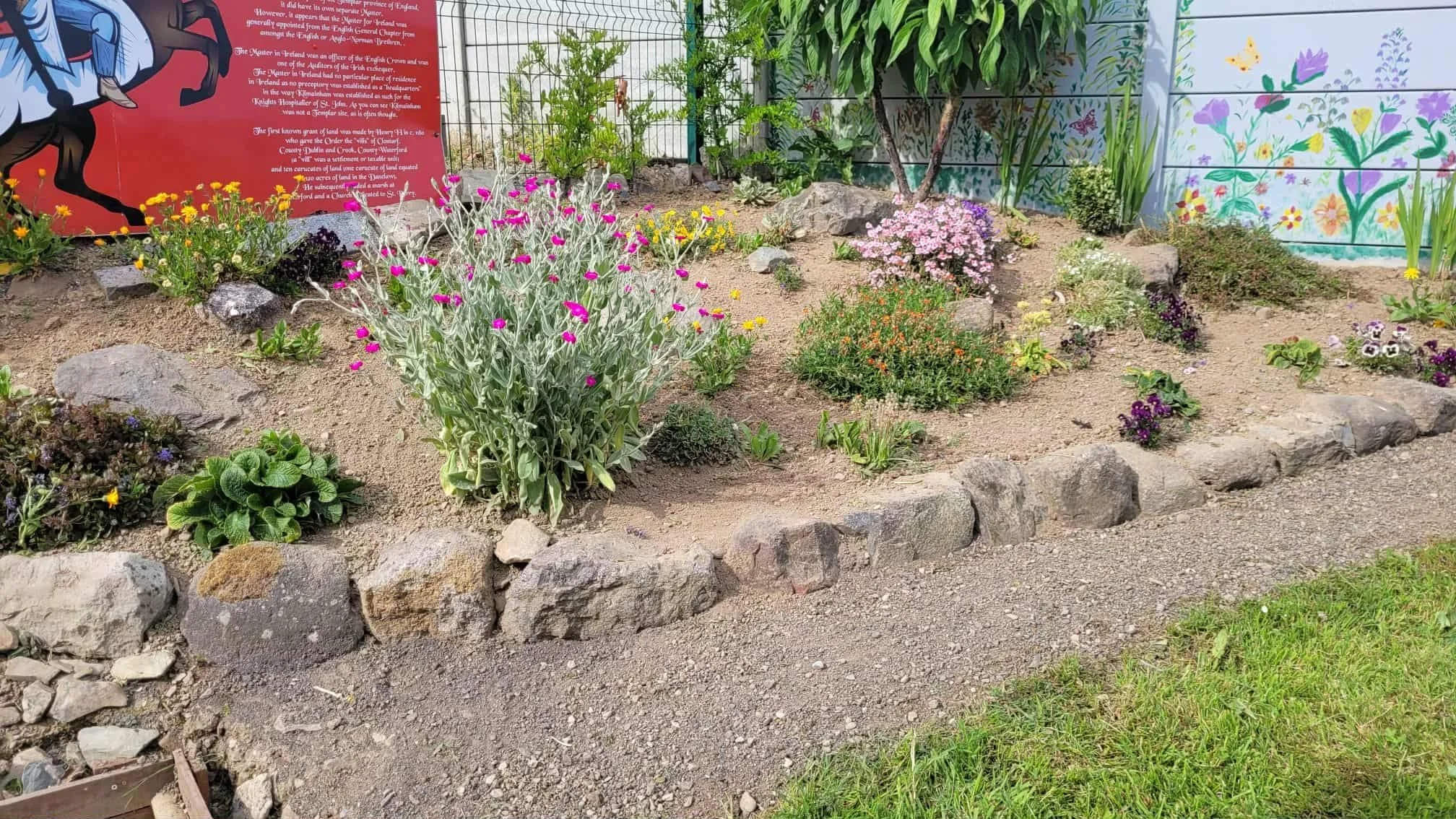
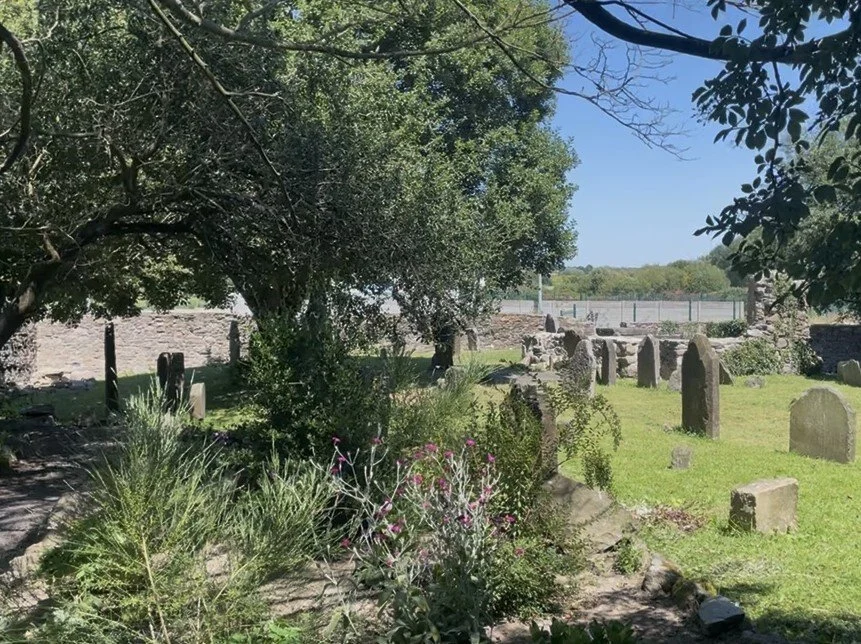
Kilbarry stands as one of Ireland’s earliest and most important Templar preceptories, granted by Henry II in 1180 on land already long marked as sacred. As an administrative, economic, and spiritual hub, it bound Waterford’s frontier into the wider networks of crusade and Christendom, while continuing older traditions of veneration rooted in the landscape. Even after the Templars’ suppression, Kilbarry endured under the Hospitallers, leaving behind a layered legacy that speaks of faith, power, and continuity across centuries.
—Helena B. Scott, dissertation excerpt, MA in Public History and Cultural Heritage
-
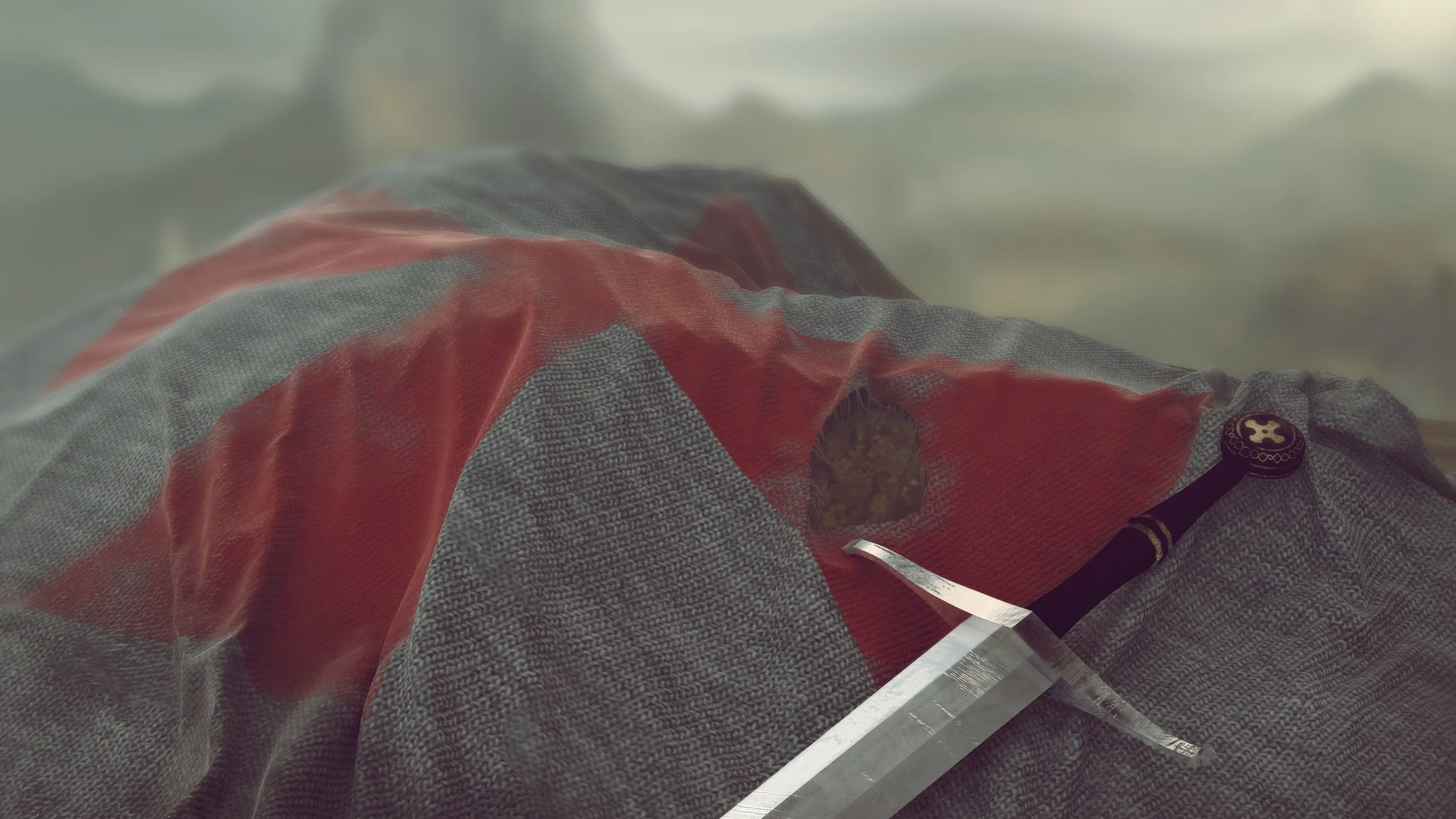
Kilbarry: Ancient Sacred Site & Templar Preceptory, Church and Cemetery
HISTORY
-
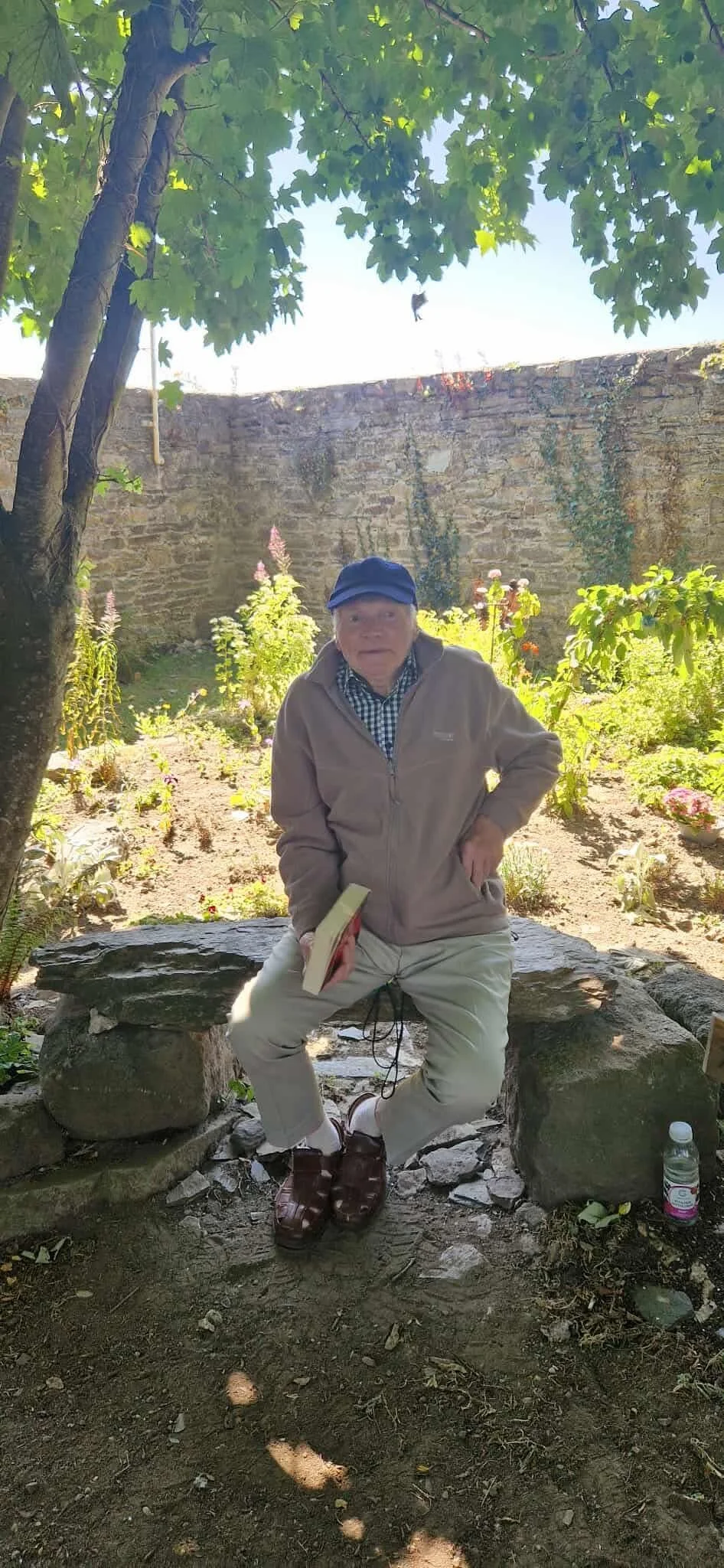
The Dream of a Young Girl and Her Grandfather
How Kilbarry Knights Templar Graveyard was saved by a school project begun by a 10 year old girl named Katie Houlihan with her grandfather Paddy Houlihan.
-

A Community Participatory Outdoor Museum
-

Step Back In Time
SELF-GUIDED AUDIO TOUR
-
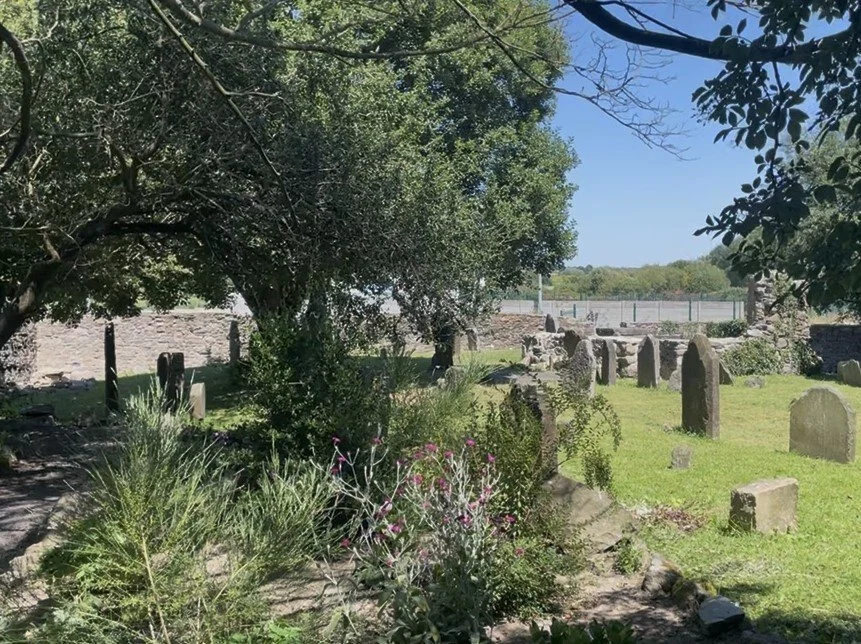
An Authentic Templar Garden
-
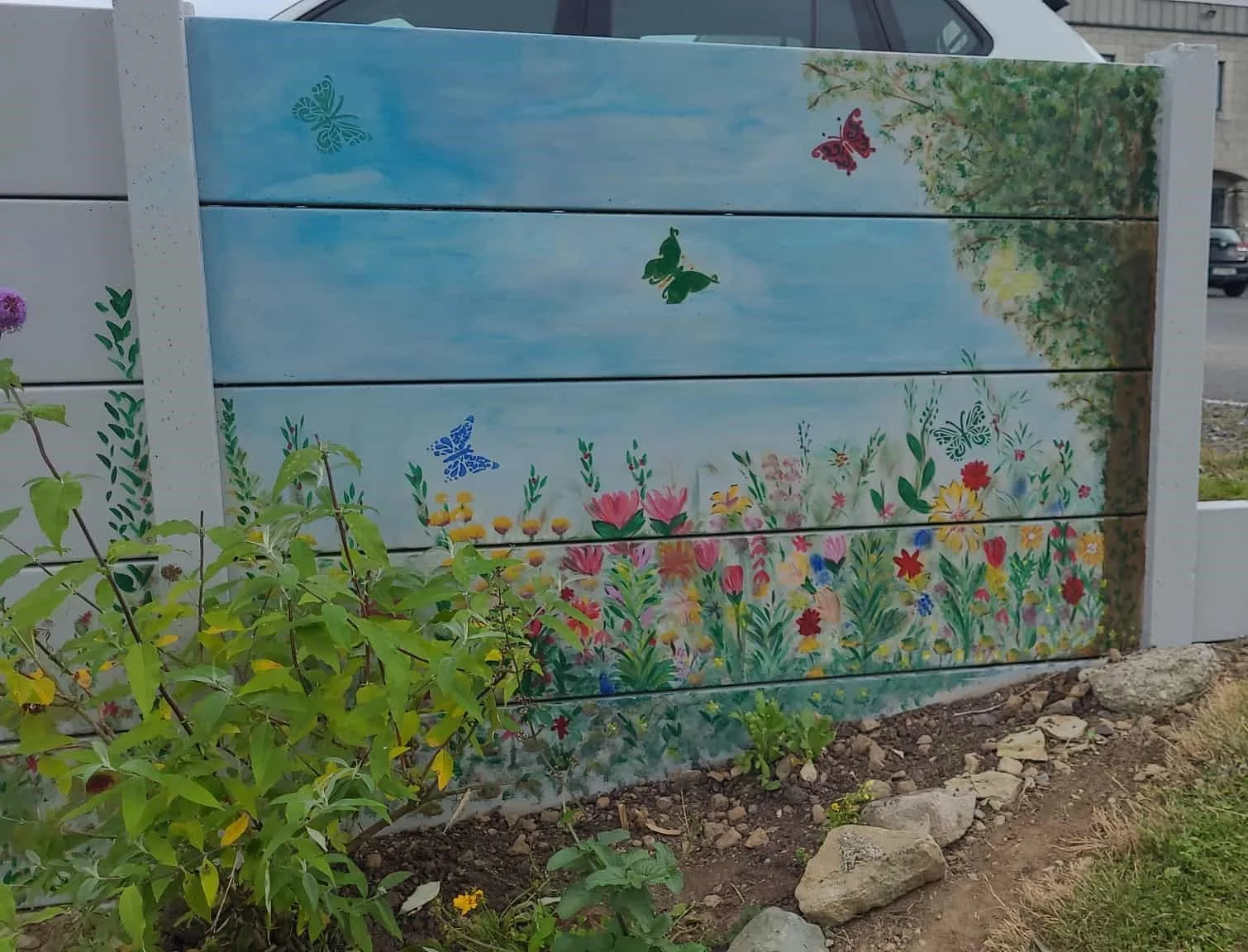
Maggie Moody's Butterfly Wall
REMEMBRANCE
-
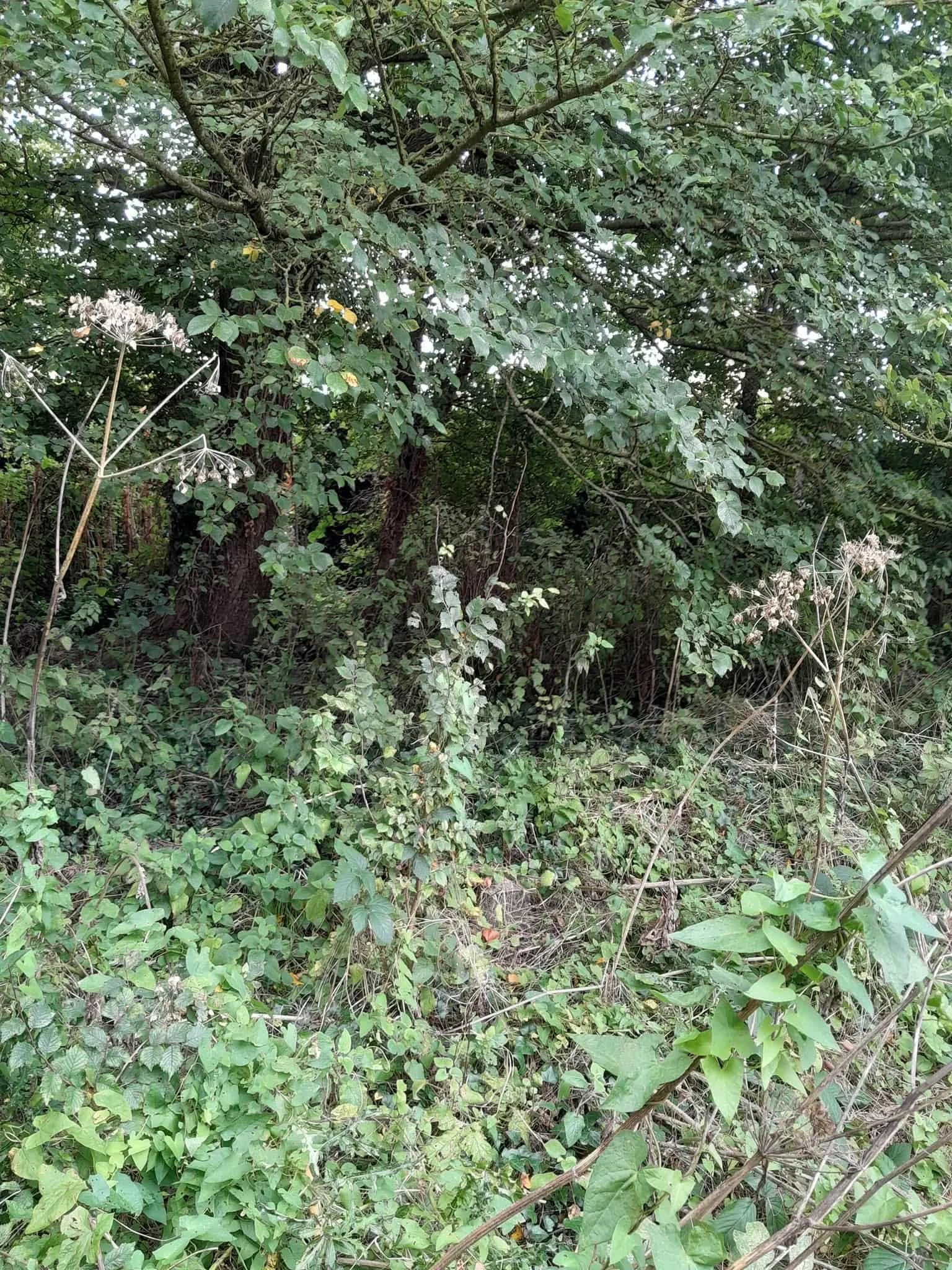
Photo Timeline
An illustrative photo time-line of the early day’s of Kilbarry Knights Templar cemetery gardens restoration
-
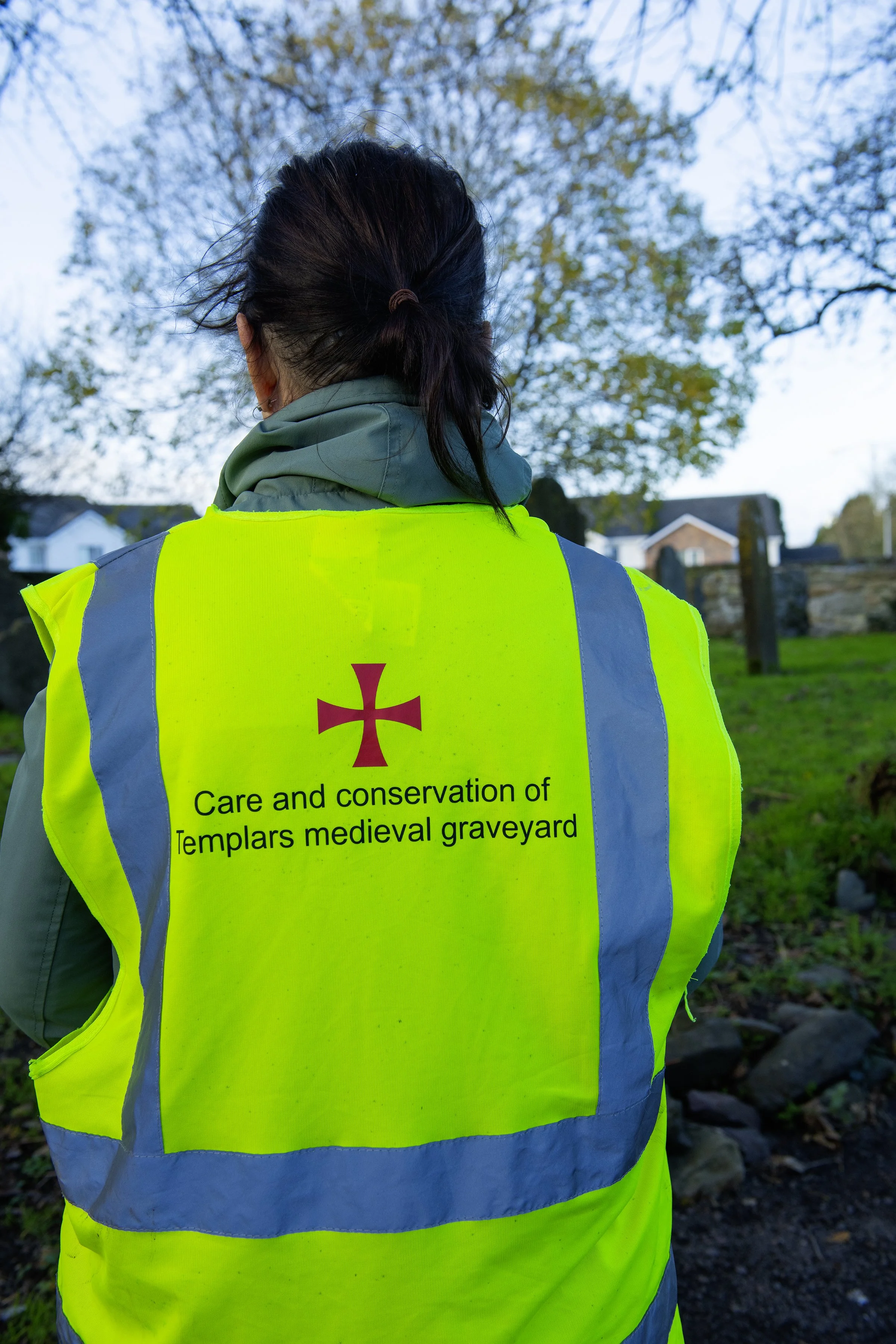
Kilbarry Knights Templar Graveyard Project
-
Virtual Katie's Corner
© 2026 Helena B. Scott. All rights reserved.