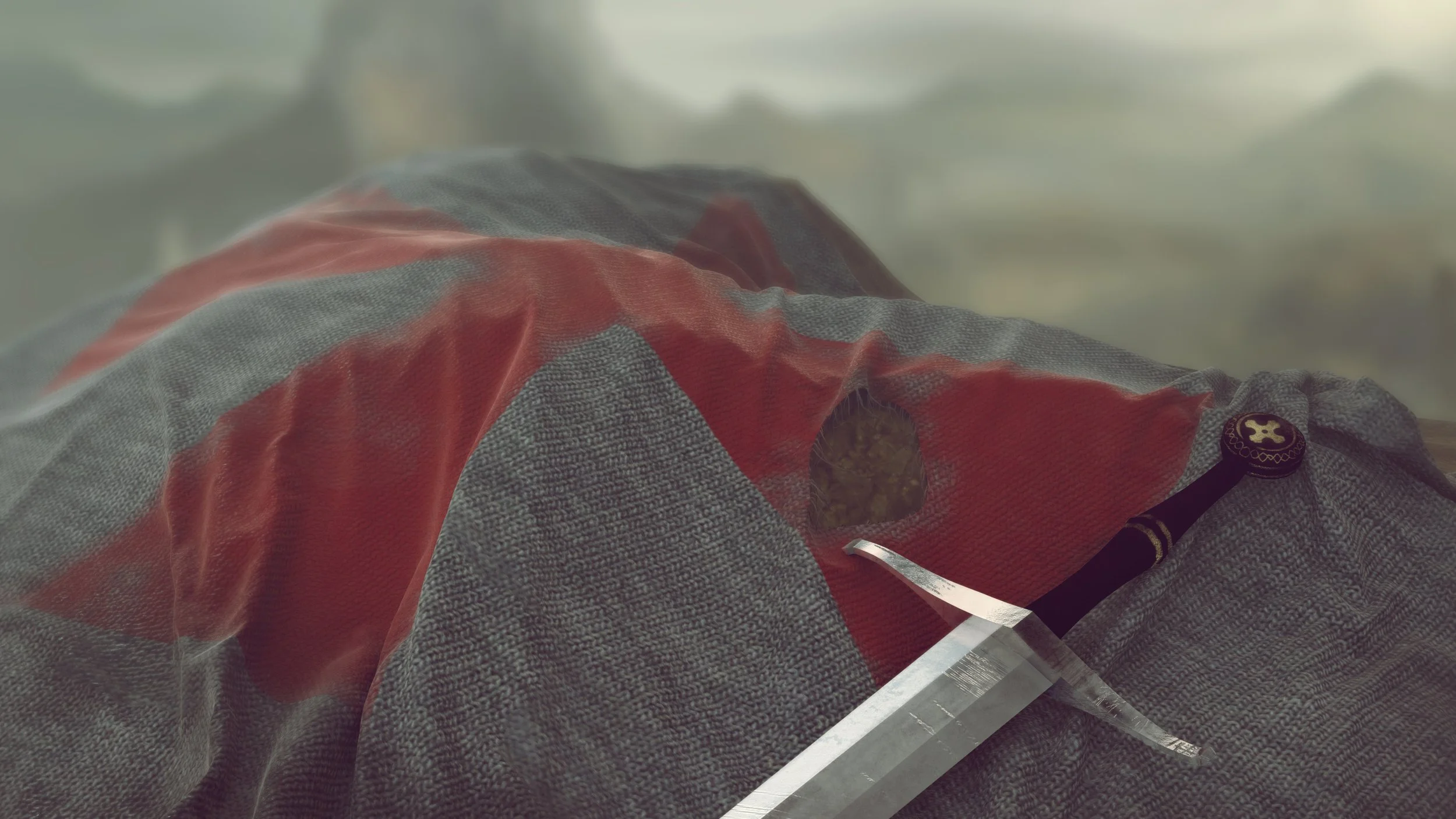
The Knights Templar: Guardians of Wisdom
Recovering the forgotten landscapes, histories and cultural memories of the medieval Temple.
The Knights Templar were more than a military order of the medieval world; they were builders, landholders, patrons and custodians of a remarkable cultural legacy that stretched across Europe and beyond. Through their network of commanderies (preceptories in UK and Ireland), churches, estates and sacred landscapes, the Temple left an enduring imprint upon the places they inhabited and the communities they served.
Why the Knights Templar Still Matter
The Knights Templar are among history's most recognised—and most misunderstood—medieval orders. For centuries they have inspired stories of lost treasure, secret knowledge and hidden mysteries, yet their true legacy reaches far beyond myth. Their history is woven into the landscapes we walk, the churches and castles that still stand, the archaeological traces beneath our feet and the communities whose memories continue to preserve their story. To study the Templars is not simply to explore the medieval past, but to discover how history continues to shape who we are today.
For me, researching the Knights Templar has never been about chasing legends. It is about recovering what time has almost erased. Through historical research, archaeology, cultural heritage and public history, I seek to uncover forgotten places, overlooked evidence and voices that deserve to be heard again. Every ruined preceptory, weathered gravestone, medieval manuscript and sacred landscape reminds us that history is not fixed; it is continually rediscovered through curiosity, evidence and careful interpretation.
The Knights Templar still matter because they challenge us to look beyond familiar narratives and ask deeper questions about faith, courage, service, memory and the societies we inherit. They invite us to become explorers rather than spectators, recognising that every landscape, every symbol and every fragment of the past carries a story waiting to be understood. By bringing together rigorous scholarship with accessible storytelling, my hope is not only to recover the forgotten history of the brave knights of the Temple, but to inspire others to see the medieval world—and our own—with fresh eyes.
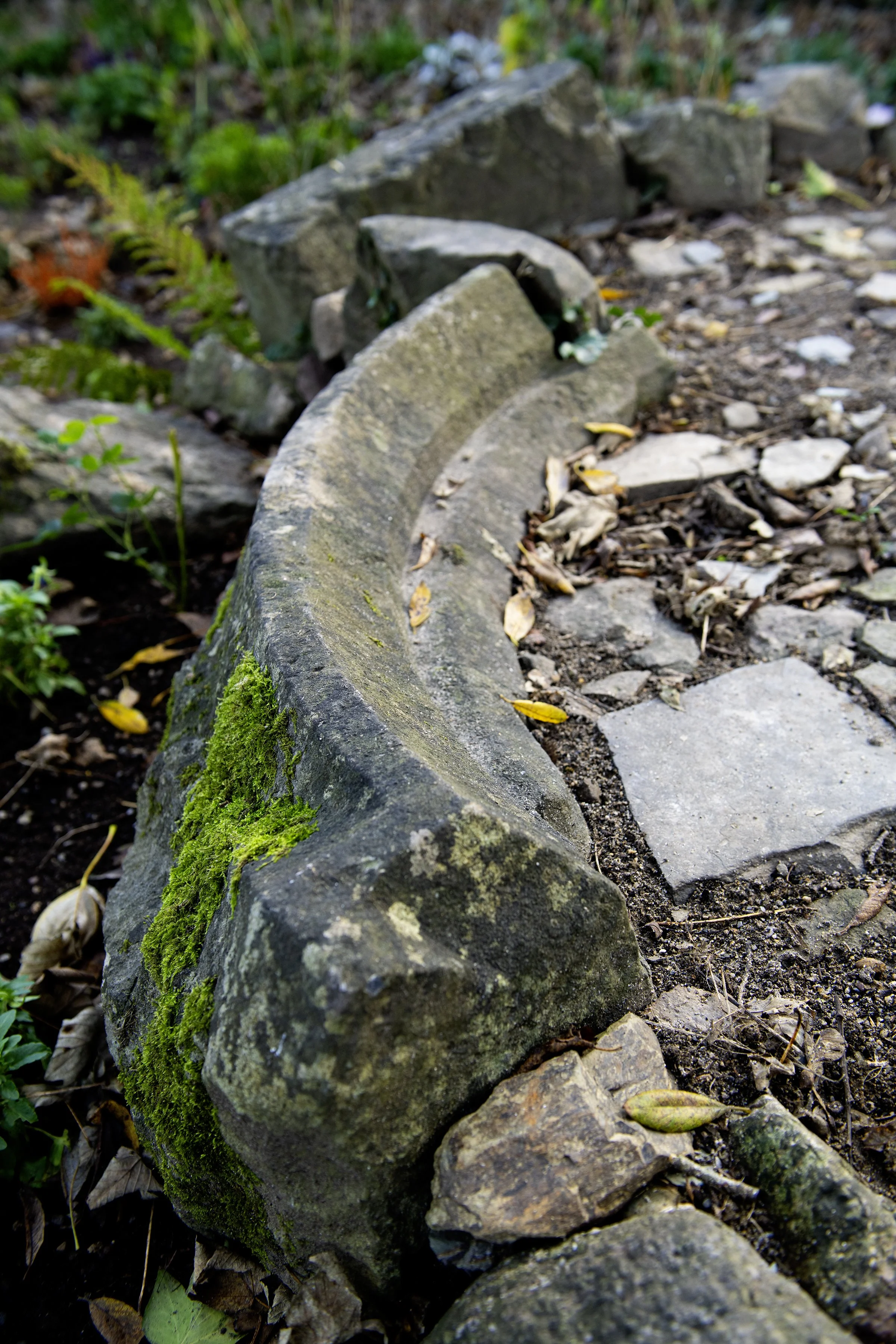
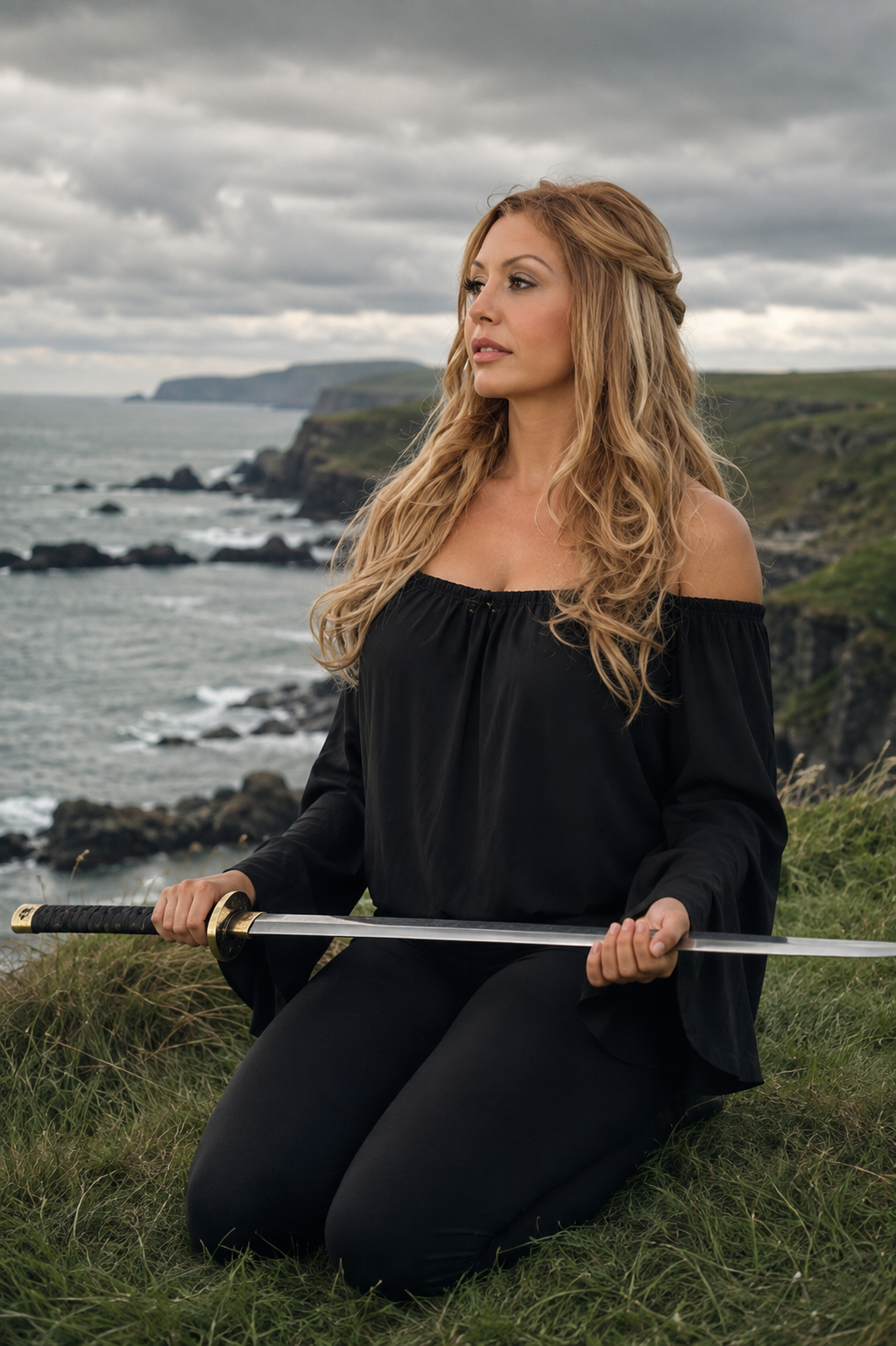
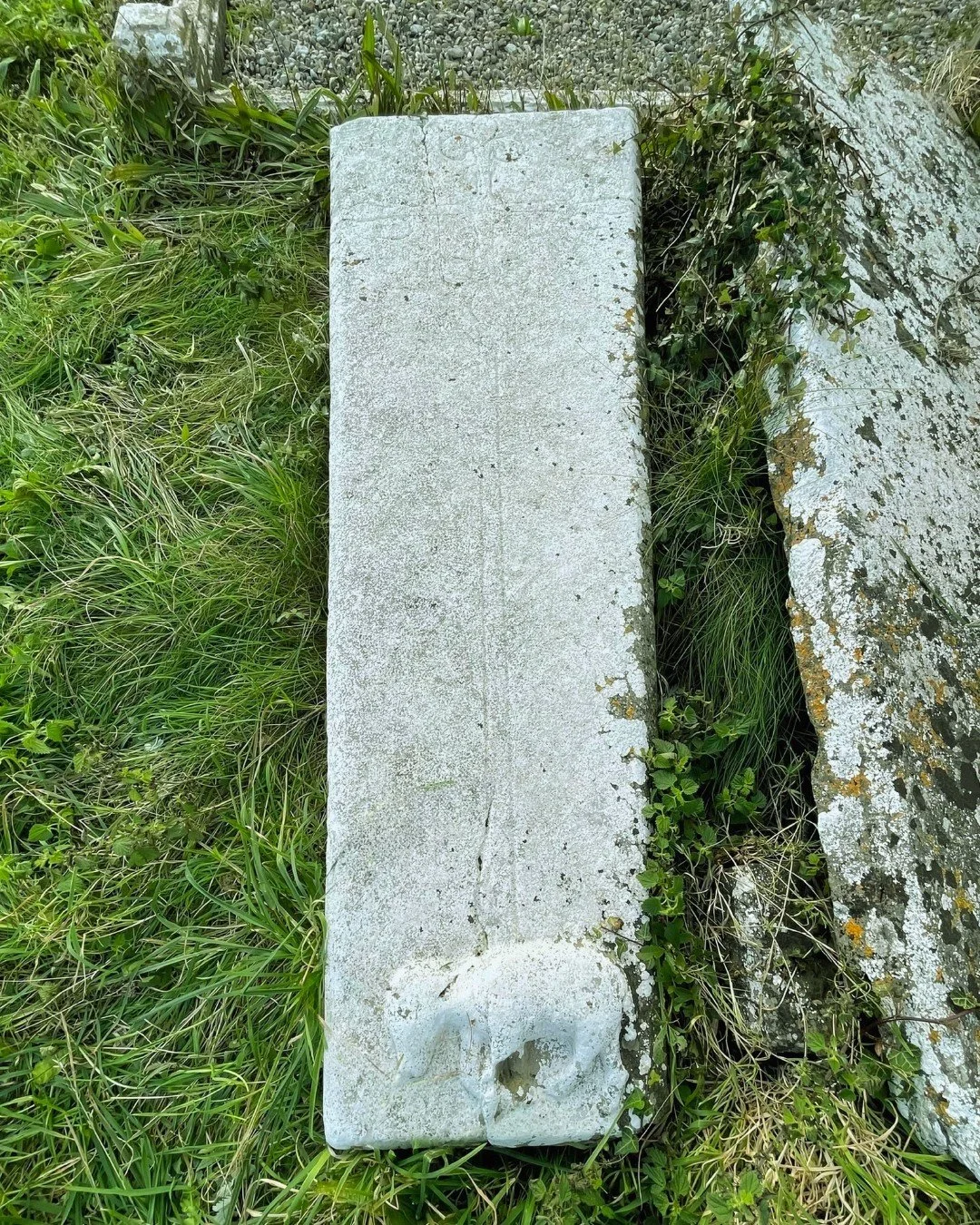
For me, the study of the Knights Templar has become far more than historical research; it has become the thread that has quietly woven through my life since childhood; a lifelong calling that has grown into more than three decades of professional research, archaeology, cultural heritage and public history. My work has led me to believe that beneath the familiar history of crusades, castles and kings lies a deeper story; one concerned with the preservation of wisdom, the search for truth, the pursuit of justice and the restoration of balance within both society and the human soul. Whether expressed through sacred landscapes, forgotten traditions, archaeology or symbolism, these ideals continue to speak to our own age with remarkable relevance.
This is why the sword has become an important symbol in my own journey. In the medieval imagination, the true sword was never simply a weapon. It represented sovereignty, discernment, justice and the responsibility to wield power with wisdom rather than force. Like the sword entrusted by the Lady of the Lake in the Grail tradition, it is not a symbol of domination but of rightful service; a reminder that true authority begins with self-mastery, integrity and the courage to defend what is worthy of being preserved.
I see my own work as continuing that calling; not with armour or conquest, but through historical research, archaeology, cultural heritage and education. Every forgotten site documented, every overlooked voice restored and every fragment of evidence preserved is an act of stewardship. We inherit the past not to possess it, but to protect it, understand it and pass it forward. If my work has a purpose, it is to stand as one of many guardians of wisdom, ensuring that the knowledge, beauty and human stories entrusted to us are not lost, but continue to inspire future generations in their own search for truth, meaning and wholeness.
Thank you for taking the time to explore my work and for sharing in a journey that has become one of the greatest privileges of my life. If these pages encourage even one person to look more deeply, to question accepted narratives, to visit a forgotten heritage site, to protect a fragment of our shared past or to see history as something living rather than distant, then they have fulfilled their purpose.
Perhaps that is the true legacy of the Temple; not simply something to remember, but something to continue. Each of us is entrusted with the choice to preserve knowledge, seek truth, uphold justice and pass wisdom to those who will come after us. May we all become faithful guardians of the stories that shape humanity, so that what is most precious is never forgotten…
Helena B. Scott - MA (Hons.) Public History & Cultural Heritage, Diploma in Jungian Psychology
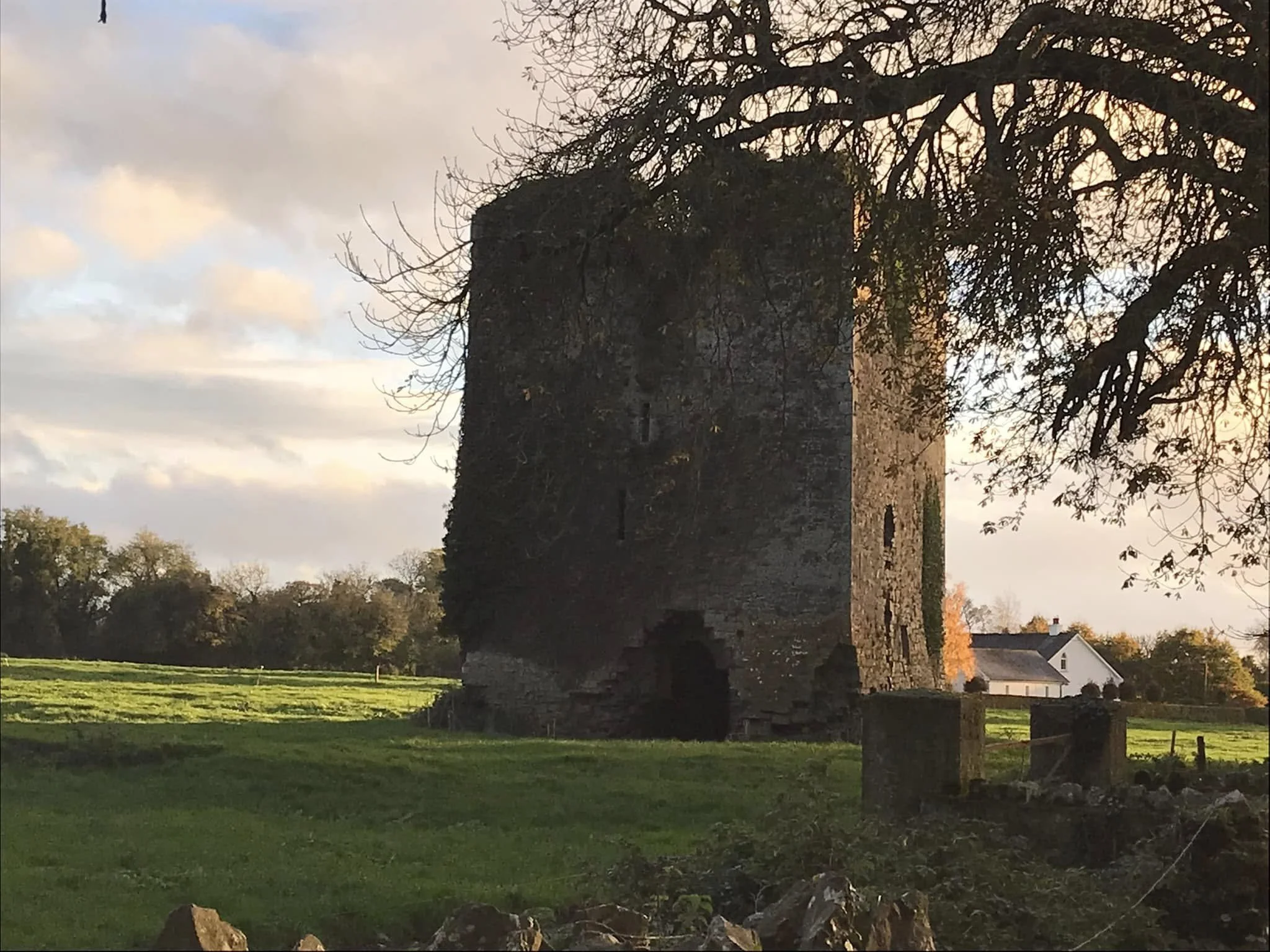
My work in historical revisionism explores the forgotten histories of the Knights Templar through the lens of public history, cultural heritage and sacred geography; tracing their presence across Ireland and beyond through archaeology, archival research, landscape interpretation, symbolism, alchemy and storytelling. From the preceptories and estates of Terrae Templariae to the surviving monuments, symbols and traditions that preserve their memory, this research seeks to recover the stories, landscapes and legacies that shaped the enduring presence of the Temple.
I have long described the Knights Templar as the Guardians of Wisdom; a phrase that reflects their role as patrons, builders, scholars, custodians of sacred spaces and participants in the complex intellectual and spiritual world of the medieval age. Through research, education and heritage projects, this work explores the many layers of meaning surrounding one of history’s most fascinating and misunderstood medieval orders.
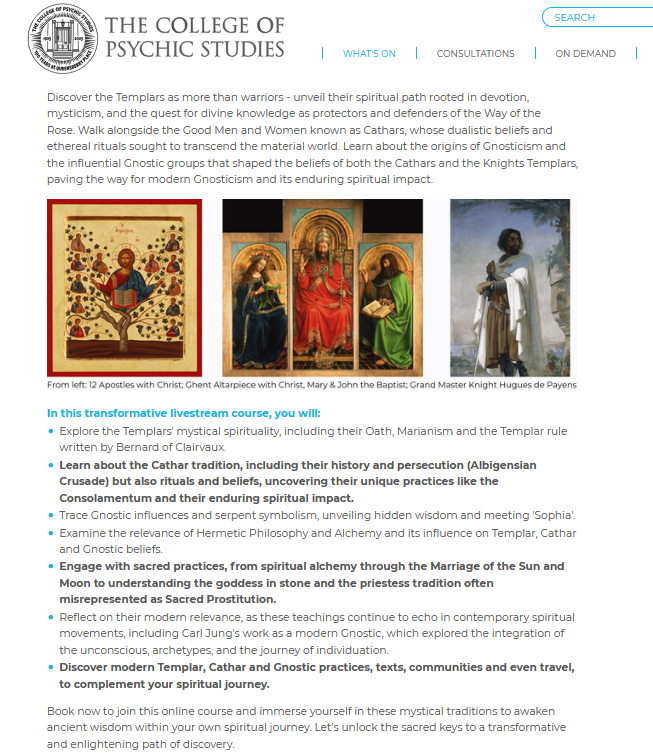
Explore the World of the Temple
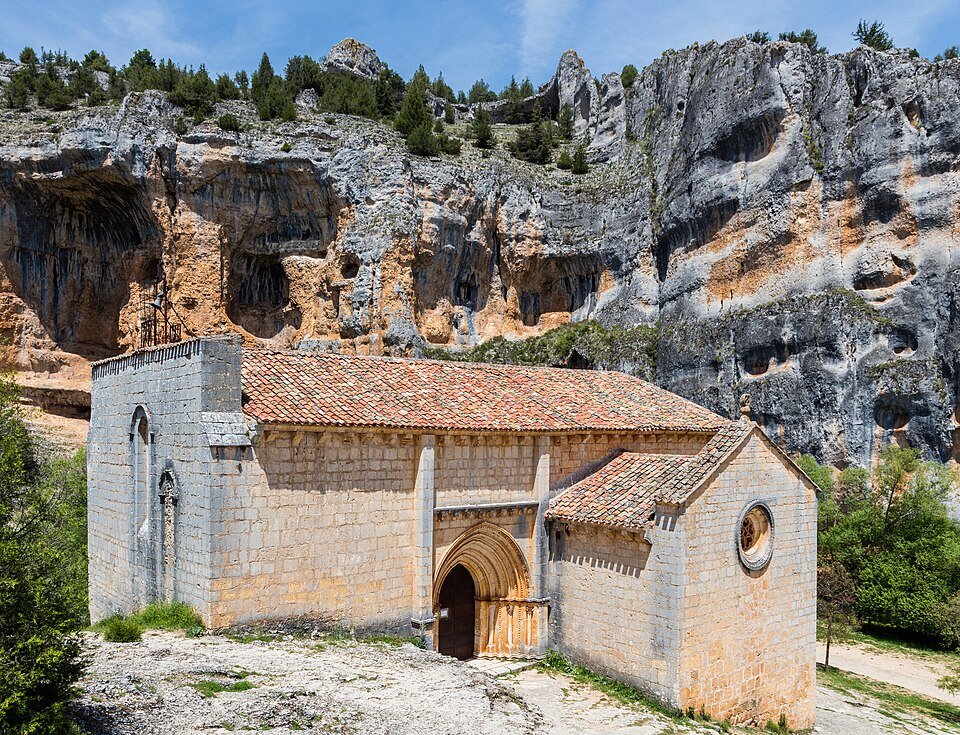
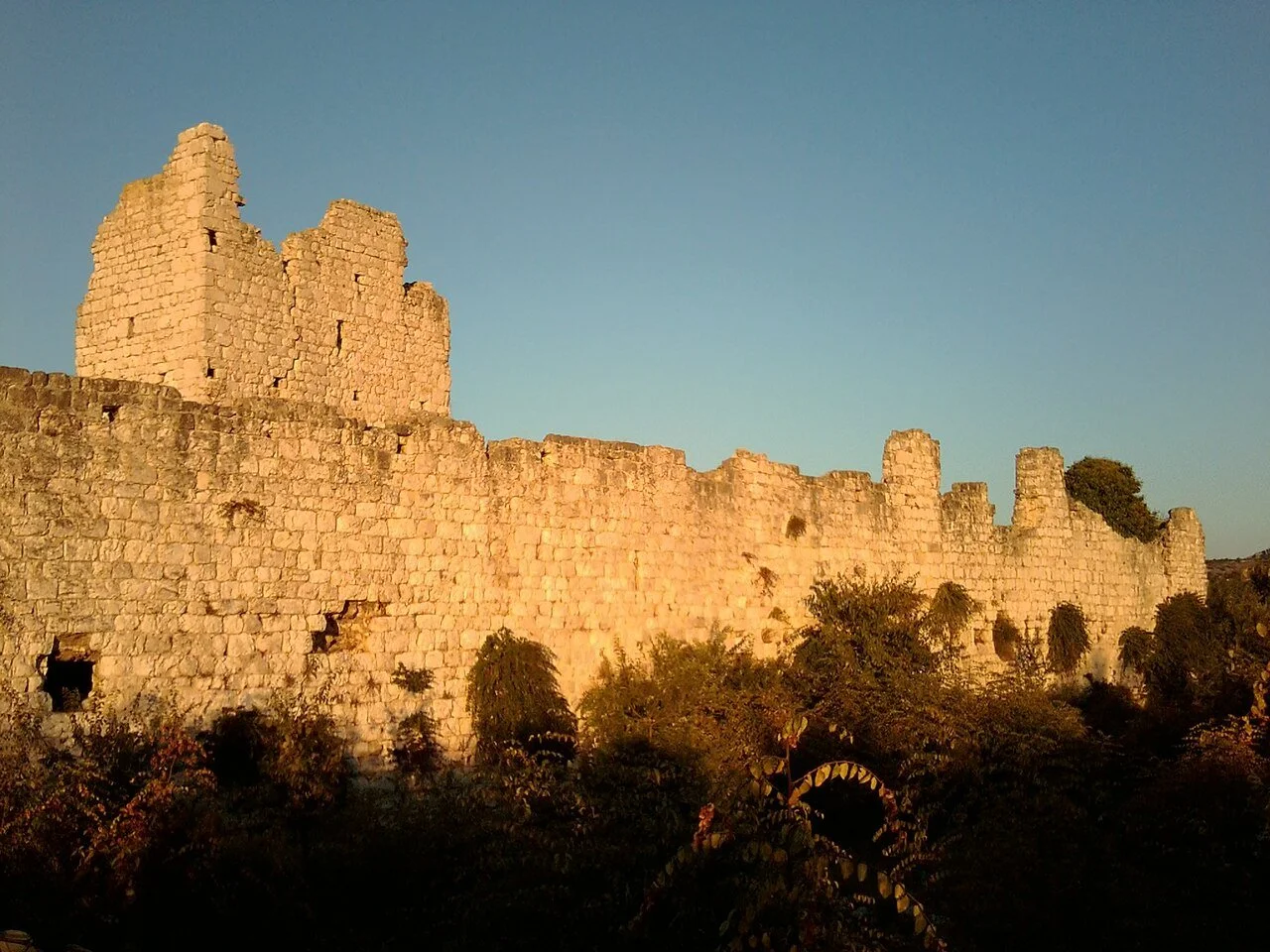
Explore Knights Templar history, medieval history, Templar Ireland and the Knights Templar worldwide through historical revisionism, archaeology, sacred sites, symbolism, medieval spirituality, alchemy, primary sources and groundbreaking historical research with historian, cultural heritage specialist and lecturer Helena B. Scott.
Terrae Templariae
The Lands of the Temple
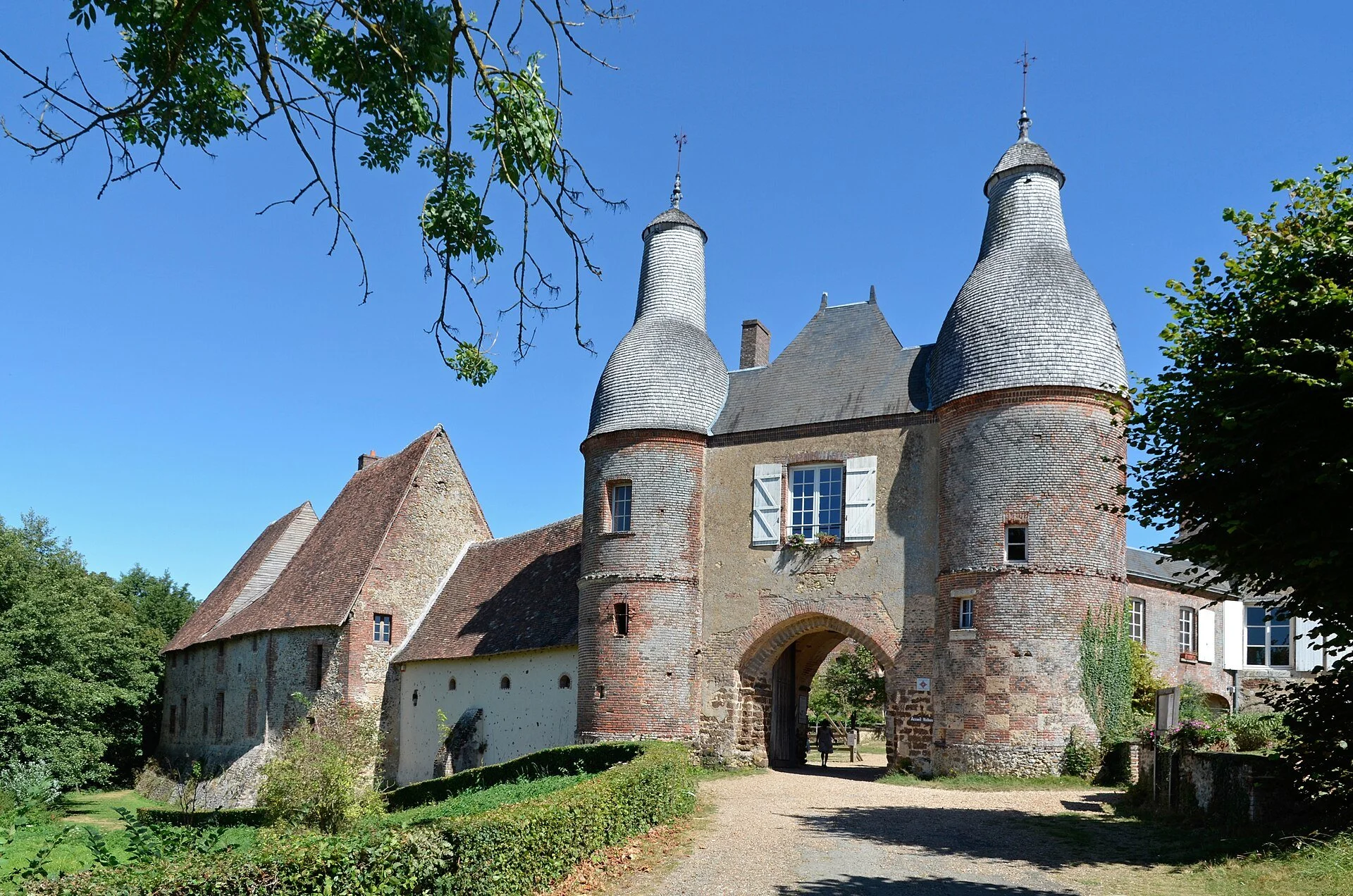
The geographical heart of the project. Explore the lands, estates and sacred landscapes connected to the Knights Templar, beginning with Templar Ireland; an ongoing research project mapping the Order’s presence through preceptories, archaeology, landscape and historical sources.
Explore:
→ Templar Ireland
→ International Templar Territories
Templar Public History & Heritage
Bringing medieval history out of archives and into communities through events, storytelling and heritage engagement.
Explore:
→ Waterford Templar Historical Day
→ Heritage walks and specialised private Templar tours
→ Community projects
→ Digital storytelling and exhibitions
→ Cultural tourism initiatives including talks and international conferences

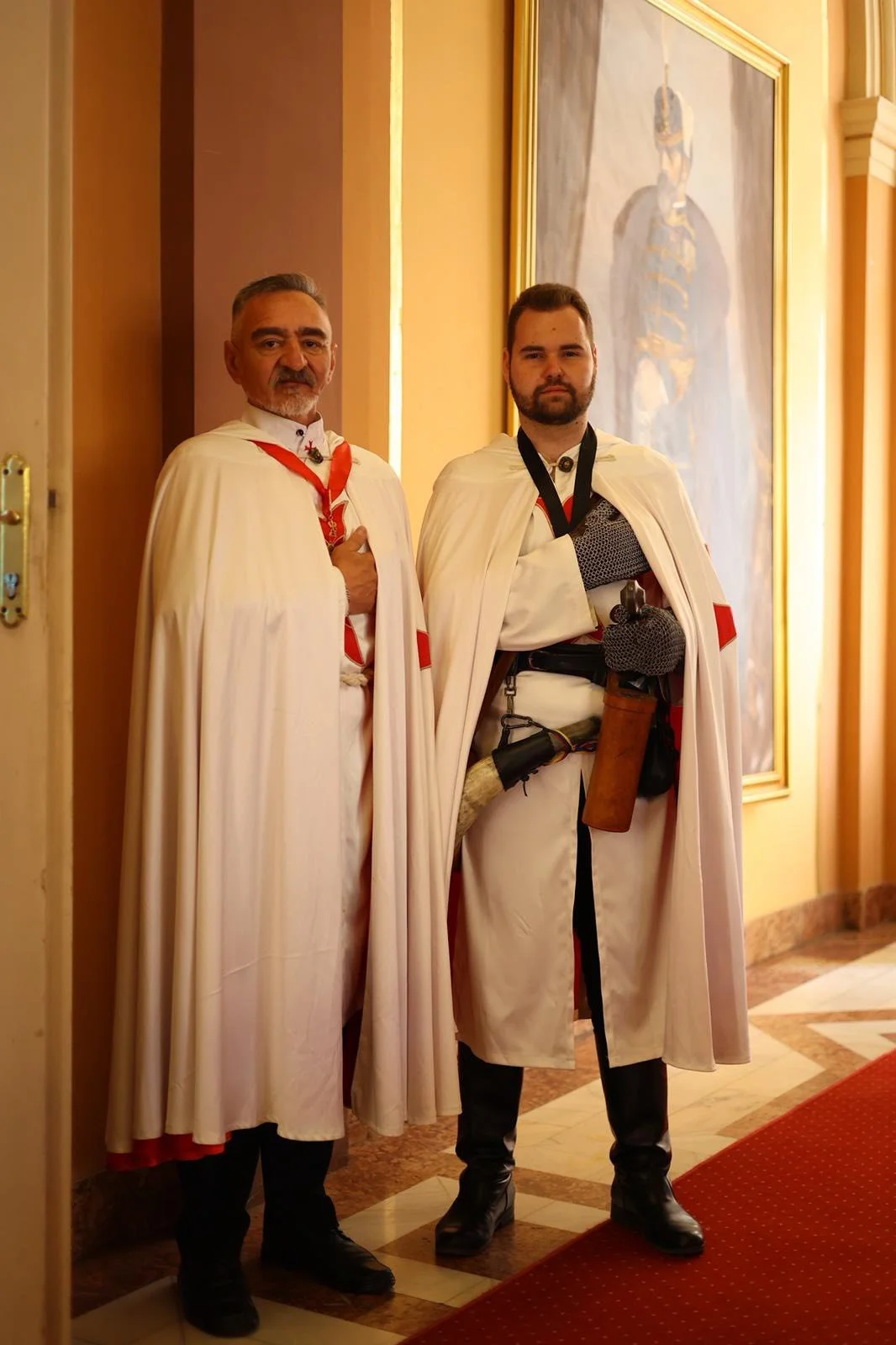
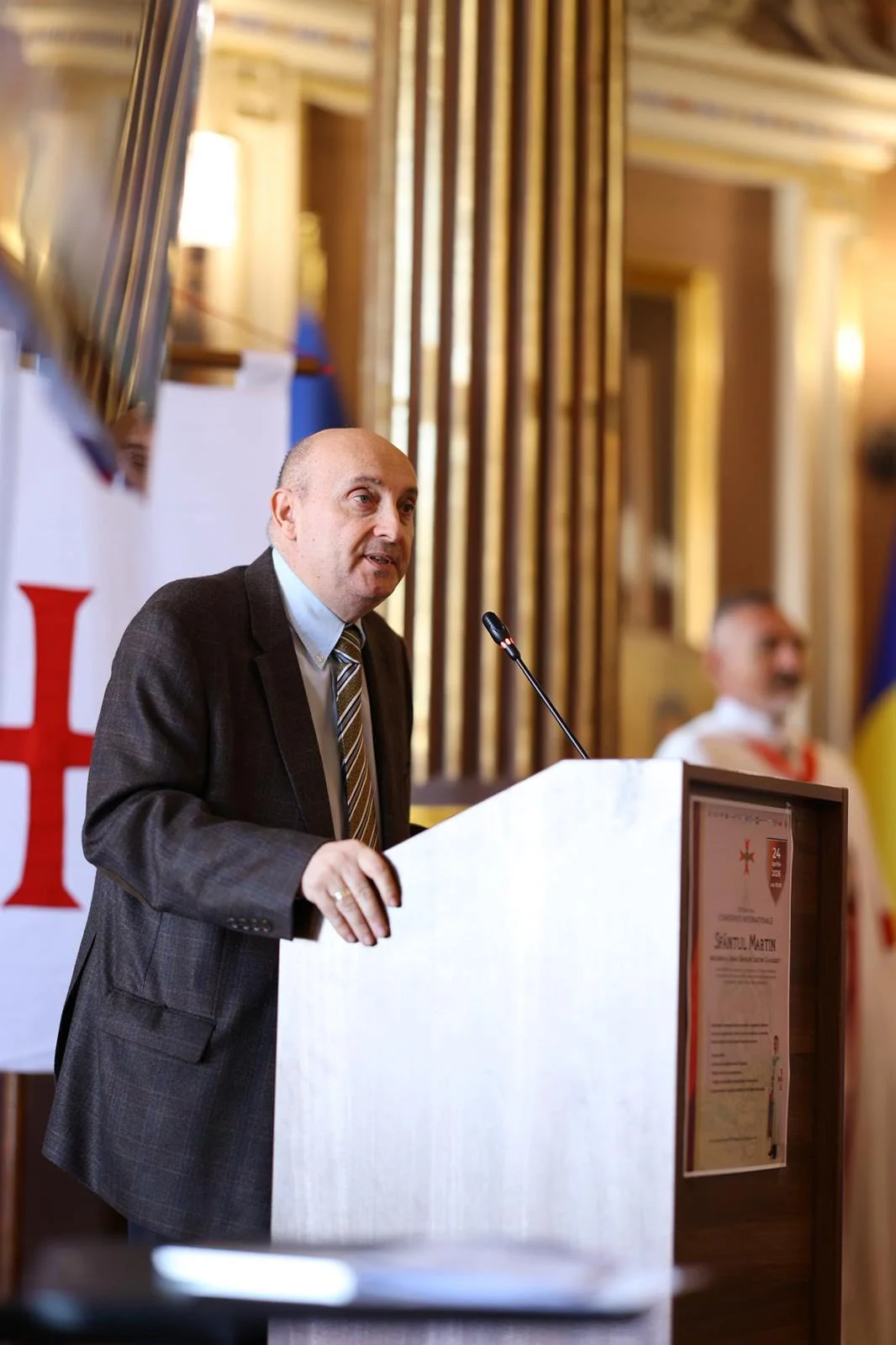
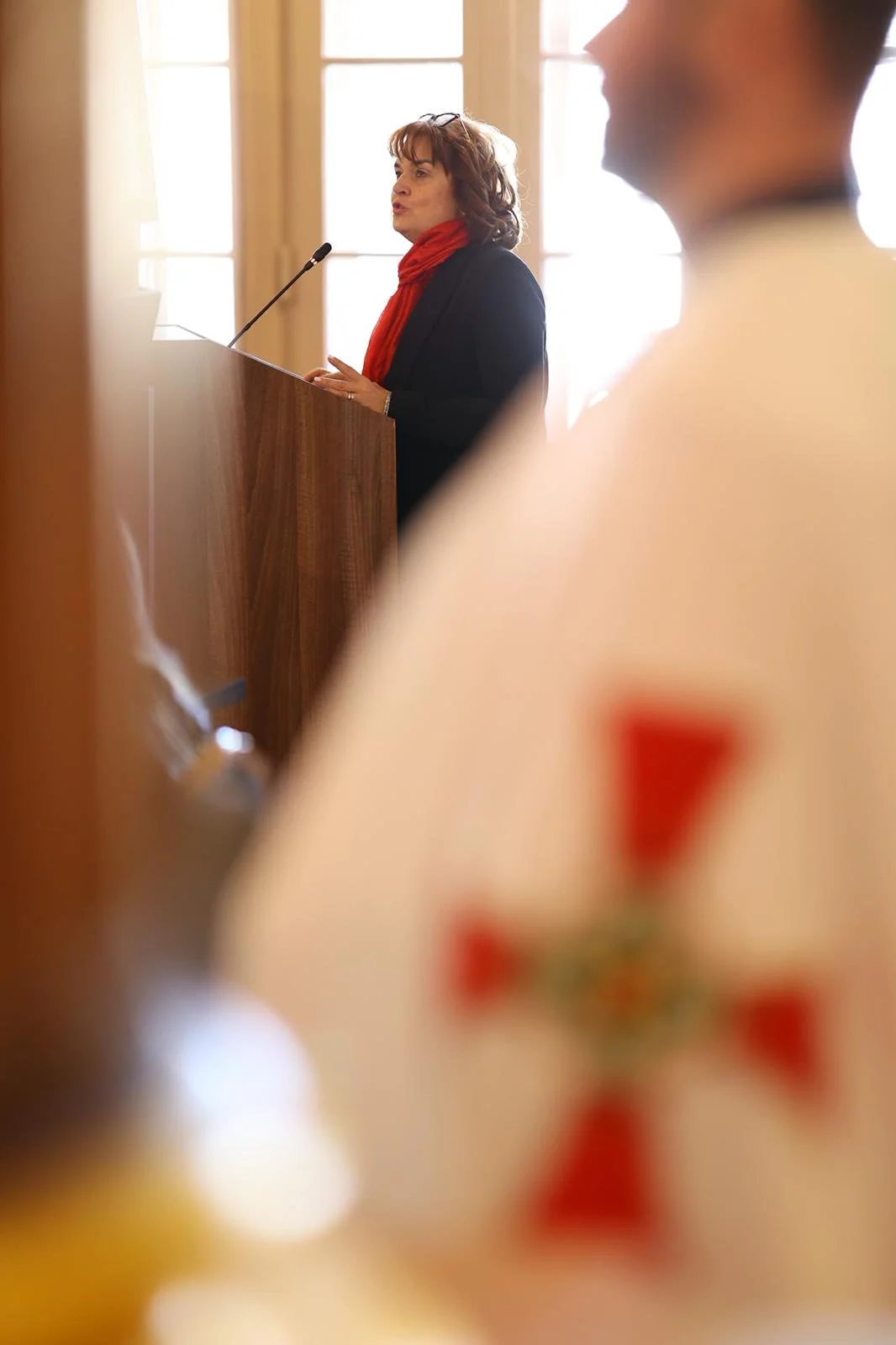
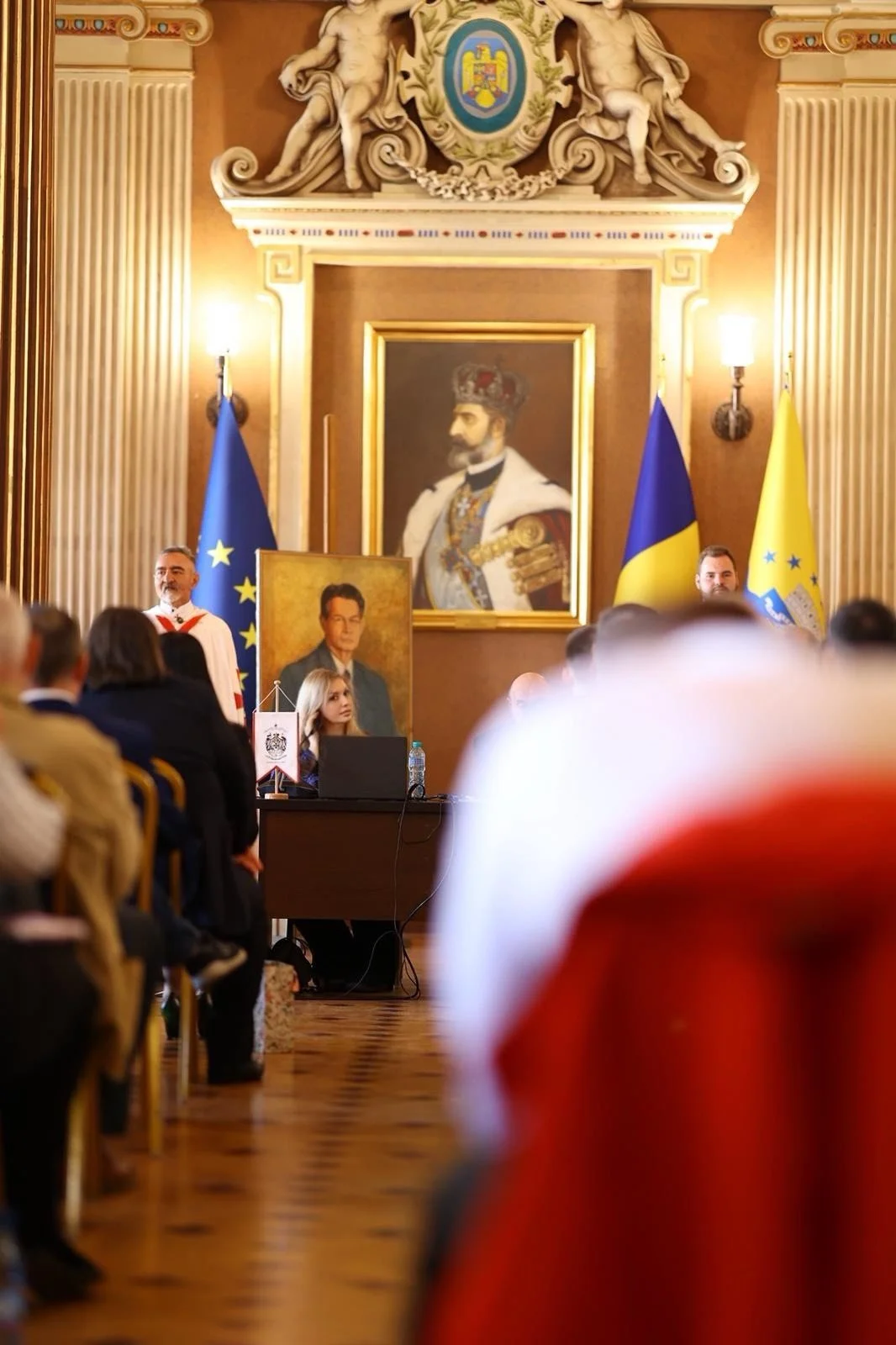
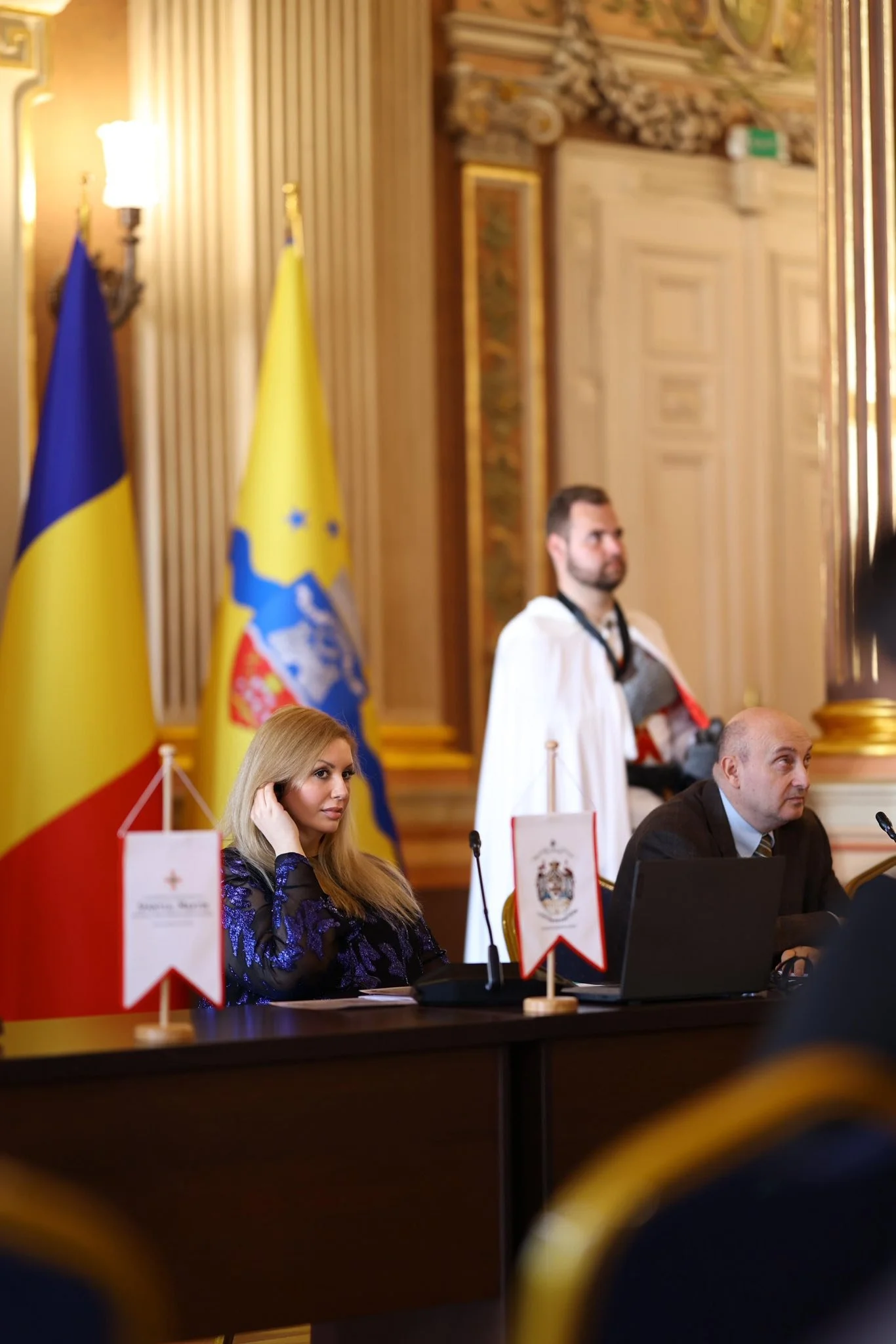
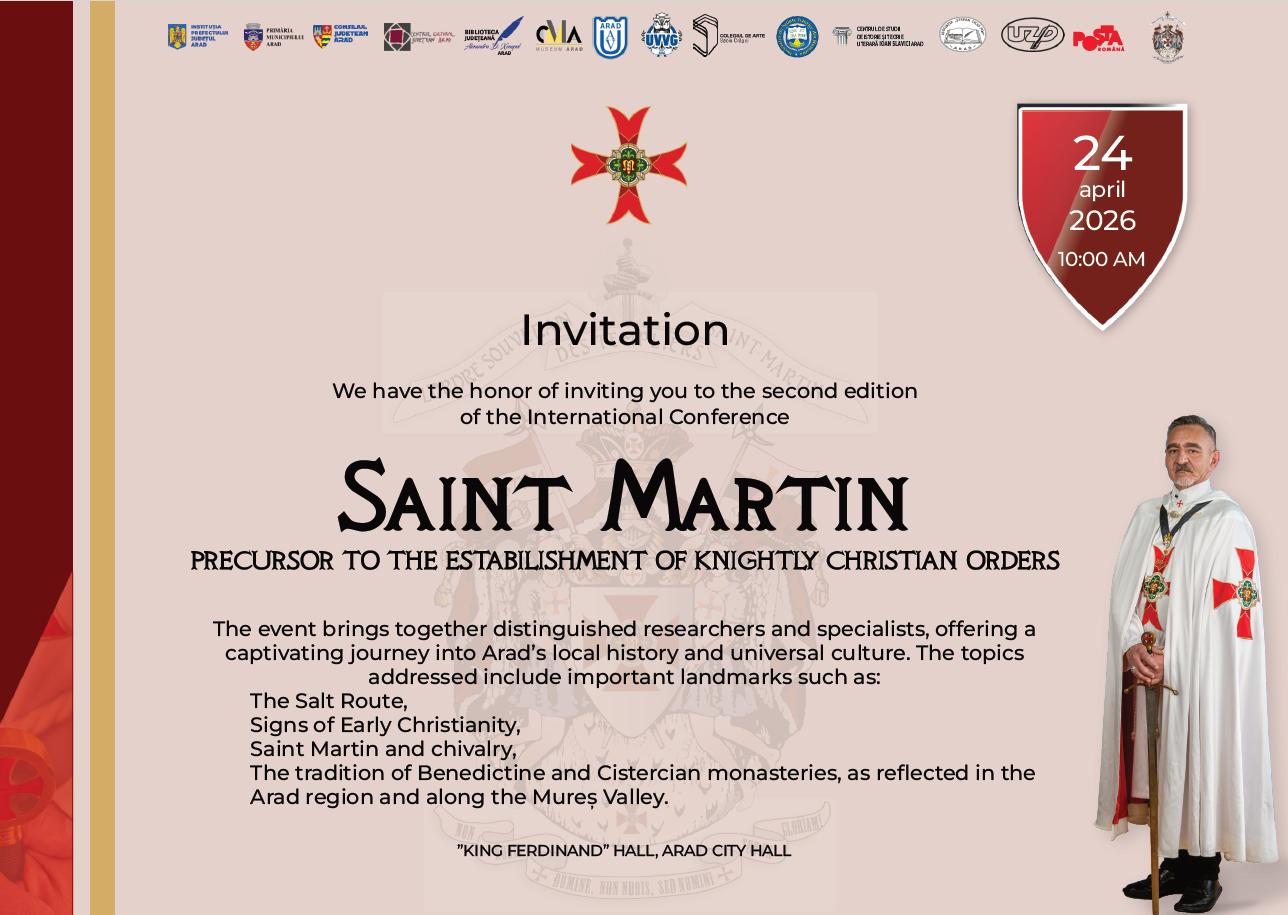
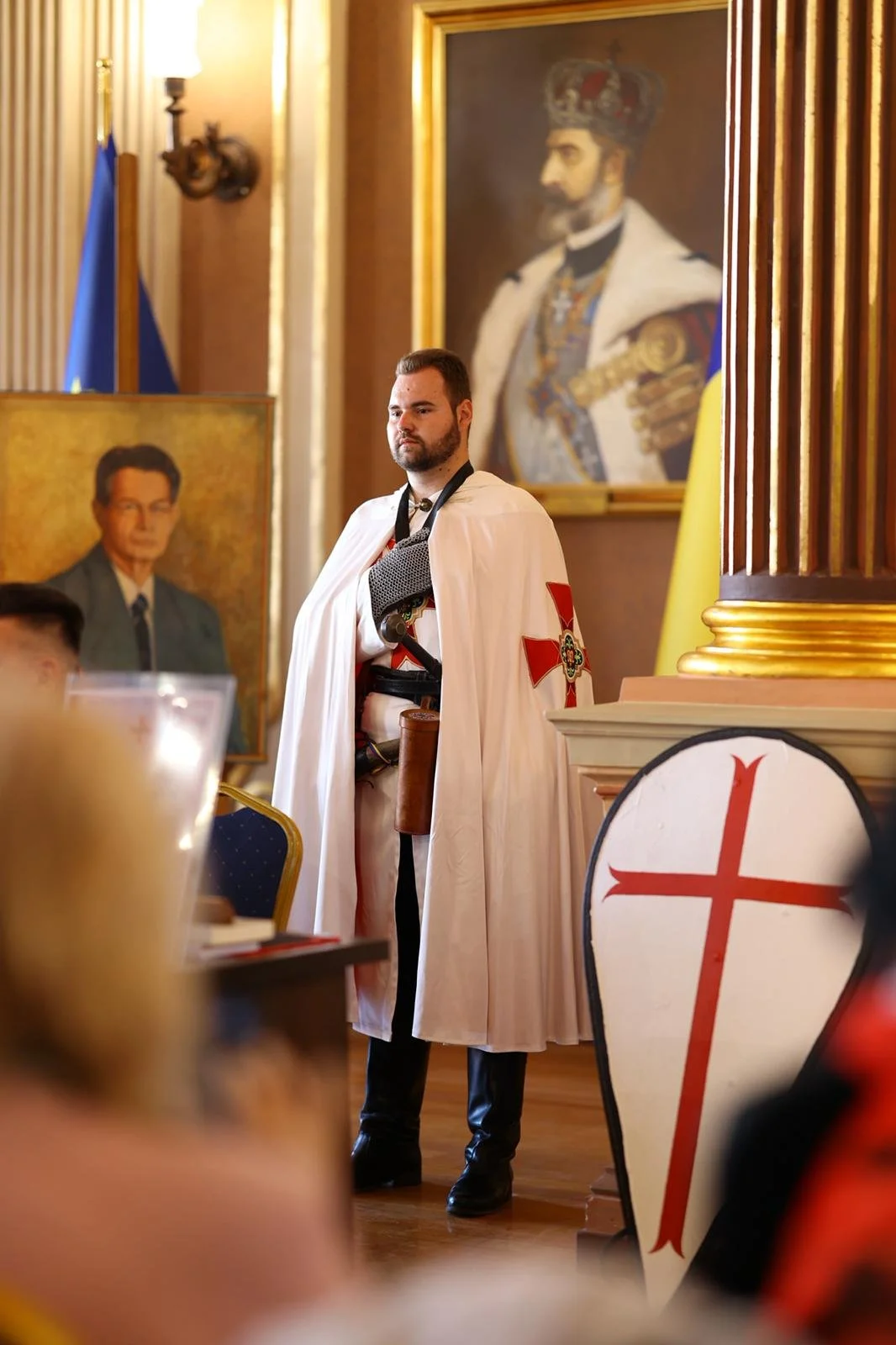
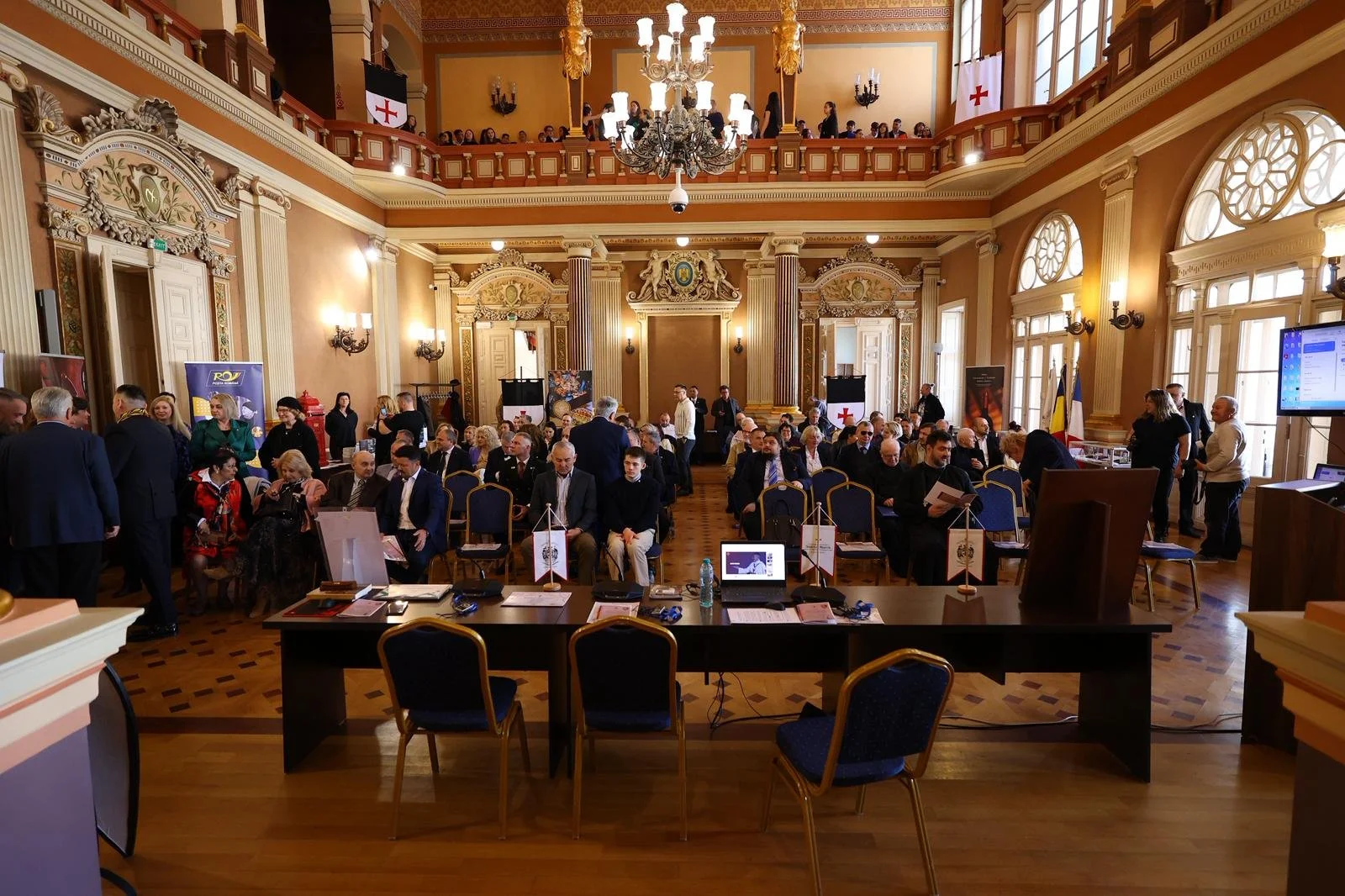
Hungary, Transylvania & the Forgotten Frontier of the Temple
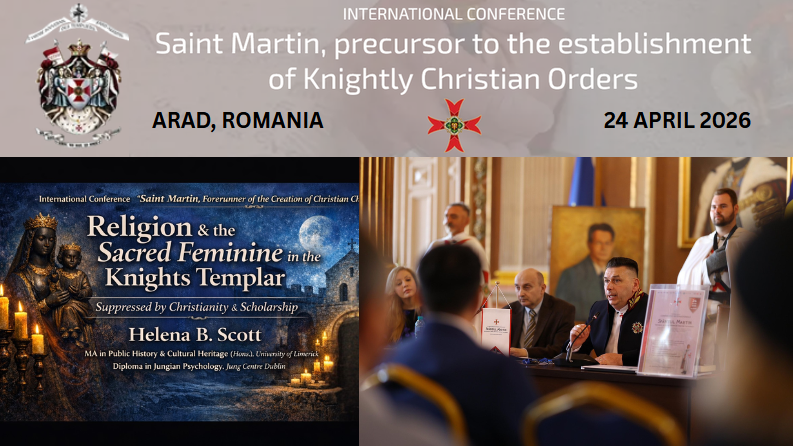
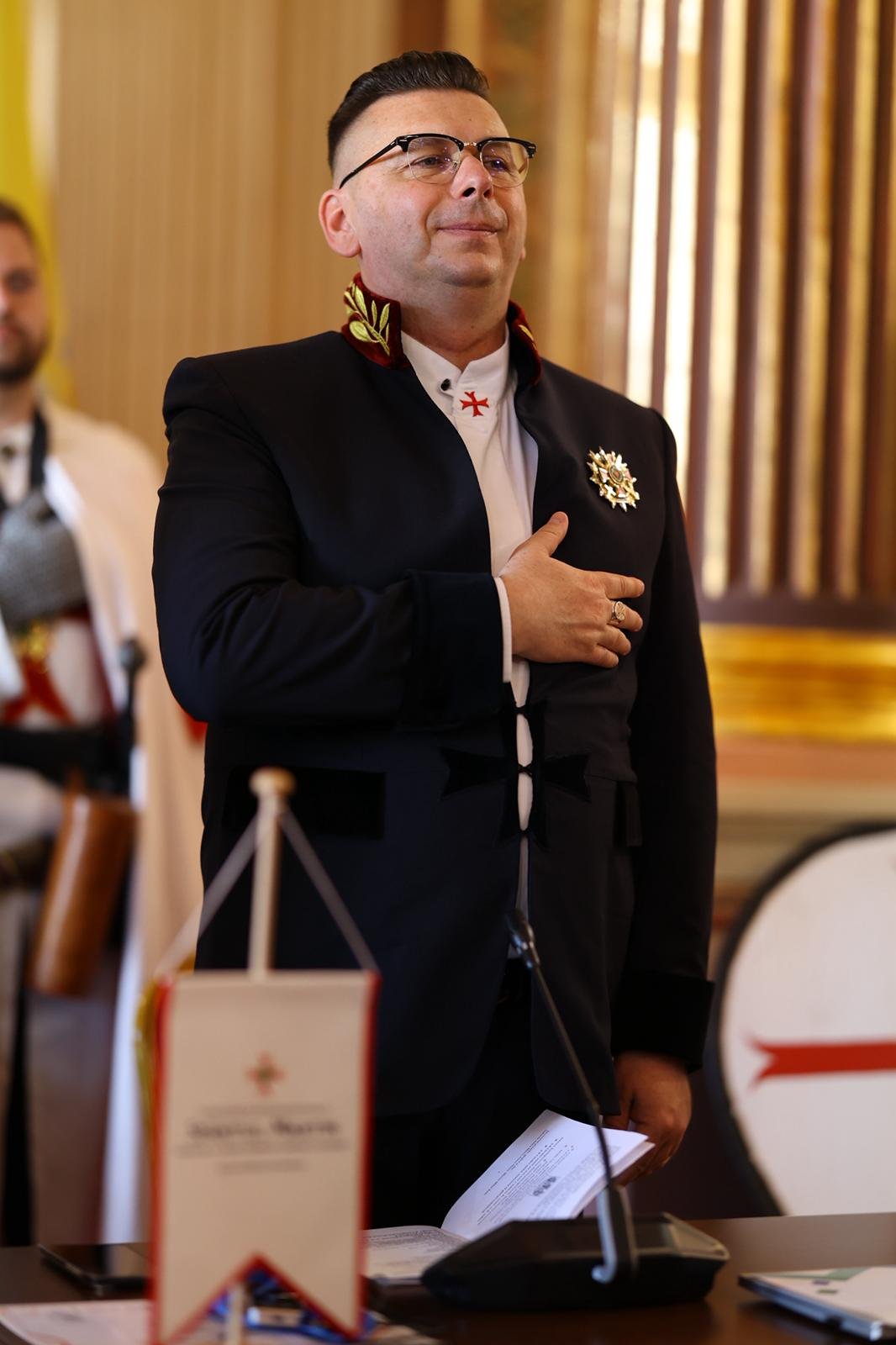
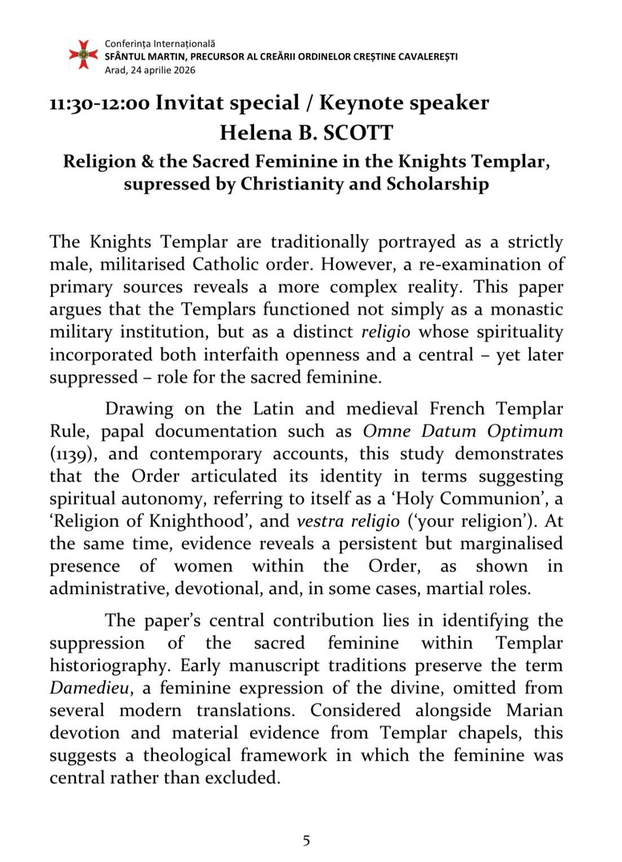
Before travelling to Arad in Transylvania to speak at the international conference of organised by the Sovereign Order of the Knights Templar of Saint Martin (OSTSM), the Arad Museum Complex and various cultural and government entities on St Martin as the Precursor of Christian Knightly Orders, I spent time in Budapest and the historic lands of the medieval Kingdom of Hungary continuing to research a region that I believe deserves far greater attention within Templar studies. Long known as the Kingdom of Mary (a title reflecting the kingdom's profound devotion to the Virgin Mary, one of the principal patrons of the Knights Templar) this remarkable crossroads between East and West occupies a unique place in medieval history and the development of the Crusades.

Click to watch my unique live recorded talk on medieval Hungary: The Kingdom of Mary and the Hidden Templar Landscape. You must join my Patreon with an Epoptes or higher tier to watch this and over 70 recorded talks, read premium posts and access downloadable digital content.
In the autumn of 1096, near the western frontier of Hungary, two worlds met. Godfrey of Bouillon, who would later become the celebrated Defender of Jerusalem, stood before King Coloman of Hungary, whose kingdom had already endured the devastation left by earlier crusading mobs, including the People's Crusade. Coloman agreed to allow the crusading army to cross his kingdom, but only under strict discipline and only after hostages were surrendered. Godfrey's own brother, Baldwin, remained in Hungarian custody while the army passed safely through the kingdom. It was not a romantic meeting between crusader and king, but a careful negotiation between frontier diplomacy and armed pilgrimage. That agreement transformed the Kingdom of Hungary into the safest overland route to the Holy Land, a strategic corridor that would soon be travelled by pilgrims, merchants and, in time, the military orders, including the Knights Templar. See map I created below for my online talk on “Hungary the Kingdom of Mary & The Hidden Templar Landscape”.

Despite its historical significance, this region has remained comparatively overlooked within the wider study of the Knights Templar and the sacred feminine, particularly when compared with other centres of Templar research. Yet its landscapes, Marian traditions and strategic position at the meeting point of East and West suggest a far richer story waiting to be explored. As part of my ongoing historical research, I am honoured to be collaborating with the Sovereign Order of the Knights Templar of Saint Martin (OSTSM) to help uncover and share more of this remarkable heritage, bringing together historical sources, sacred landscapes, archaeology and cultural memory to illuminate the Templar presence and the enduring significance of the sacred feminine across this fascinating region.
Restoring the Forgotten Heritage of the Knights Templar in Ireland
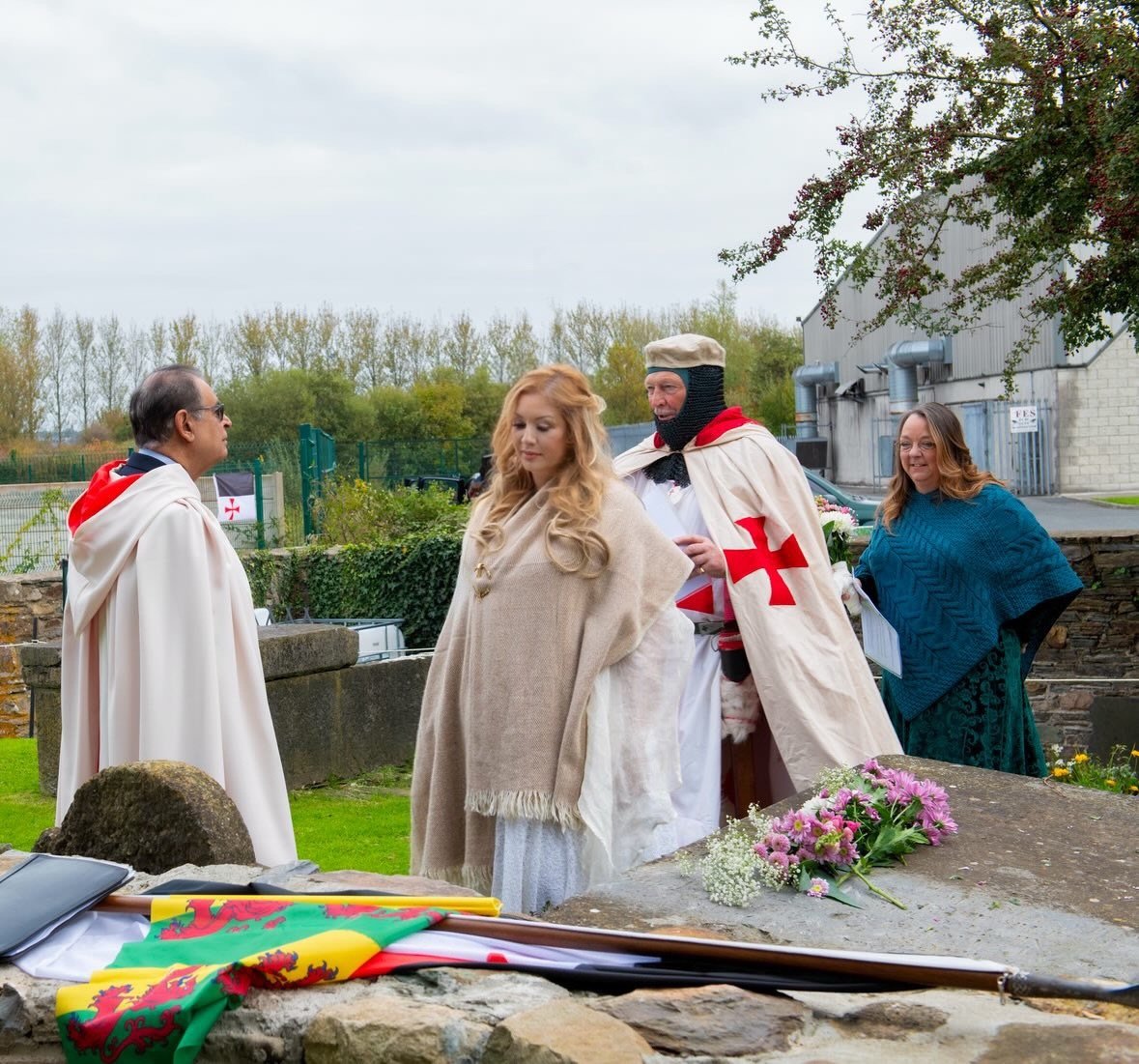
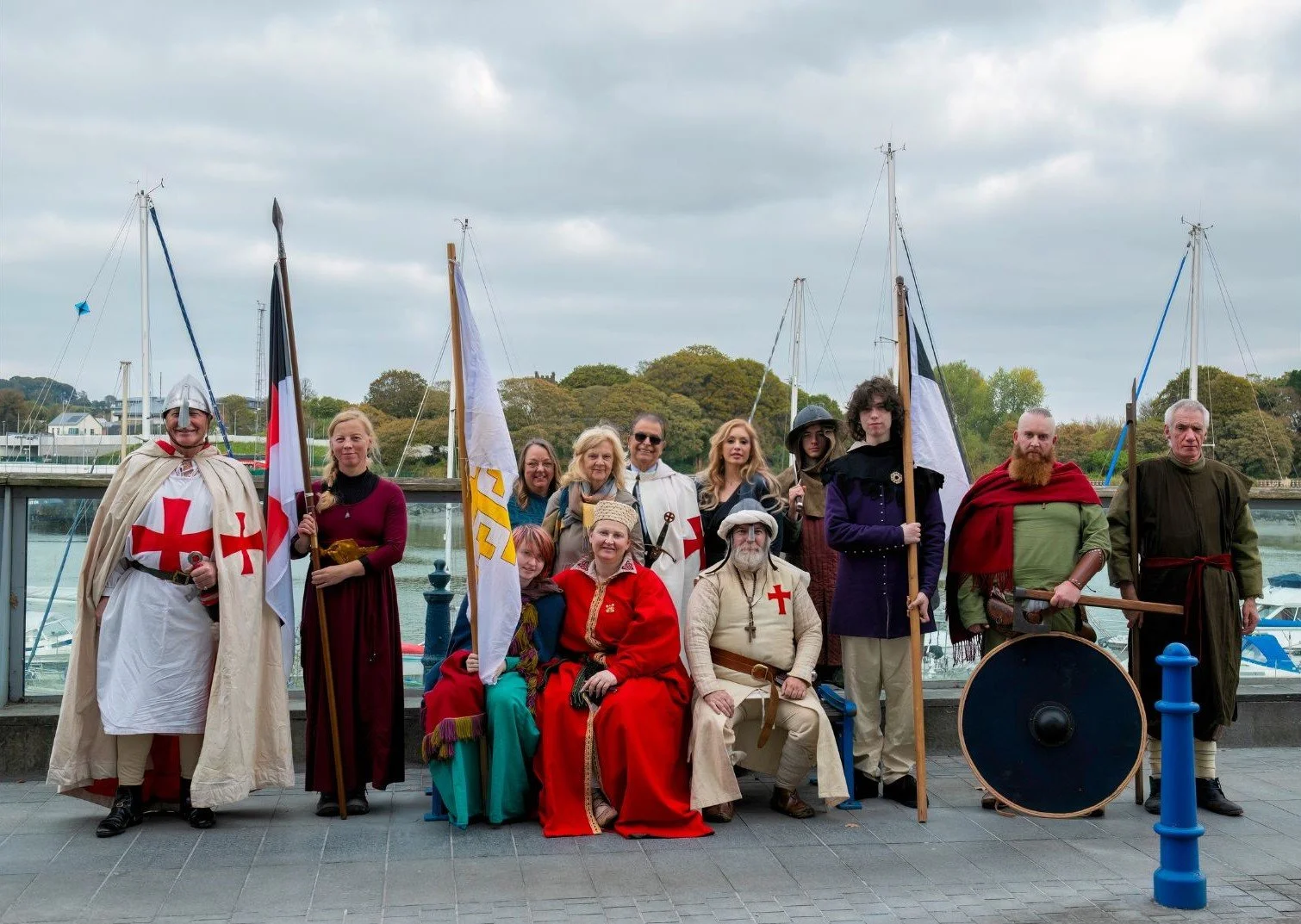
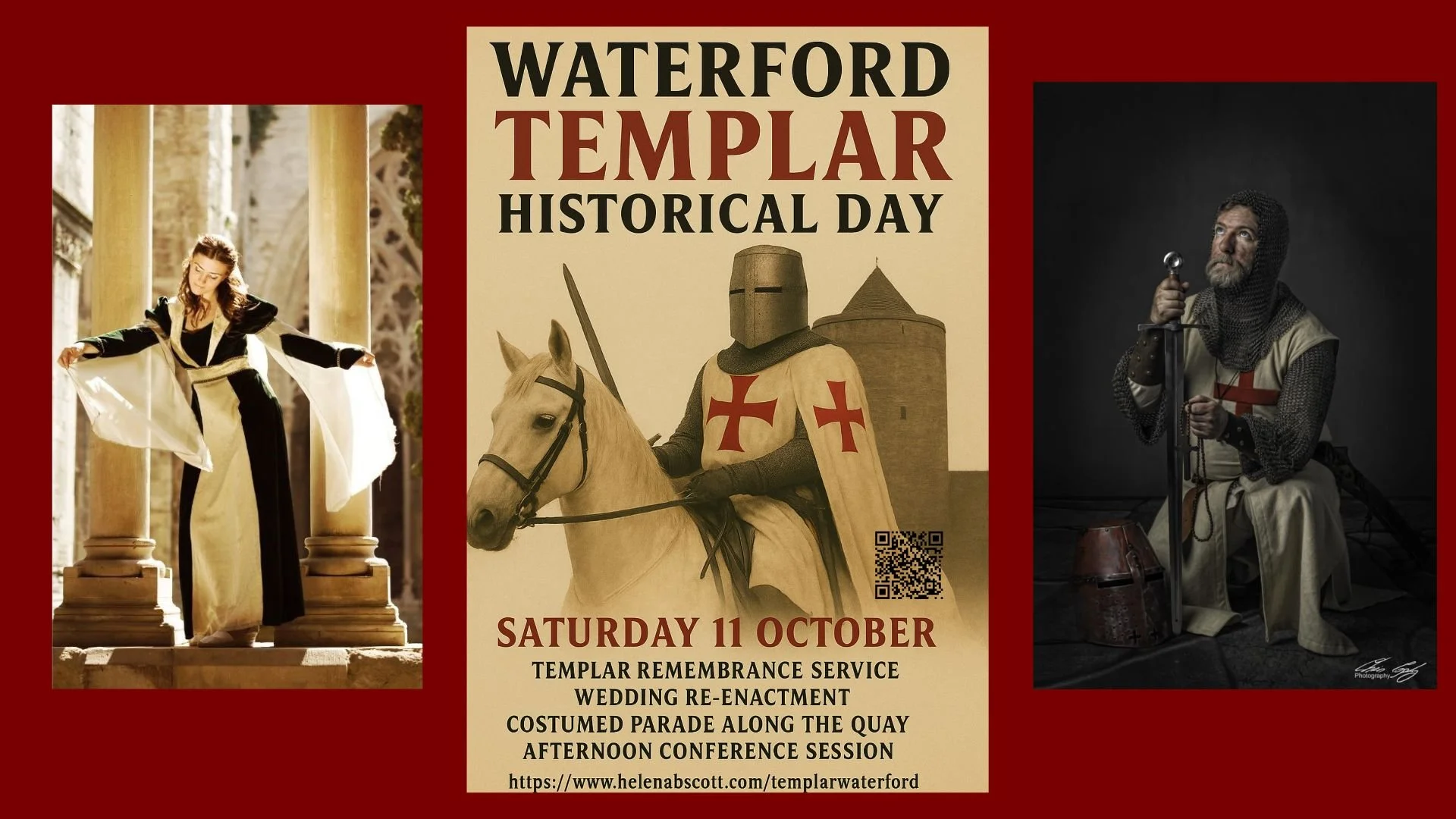
Inspired by Portugal’s “Templar Days” festivals, Waterford Templar Historical Day is the inaugural event of Templar Days Ireland that remembers the arrest of the Knights Templar on 13 October 1307 and celebrates Ireland’s own forgotten Templar heritage.
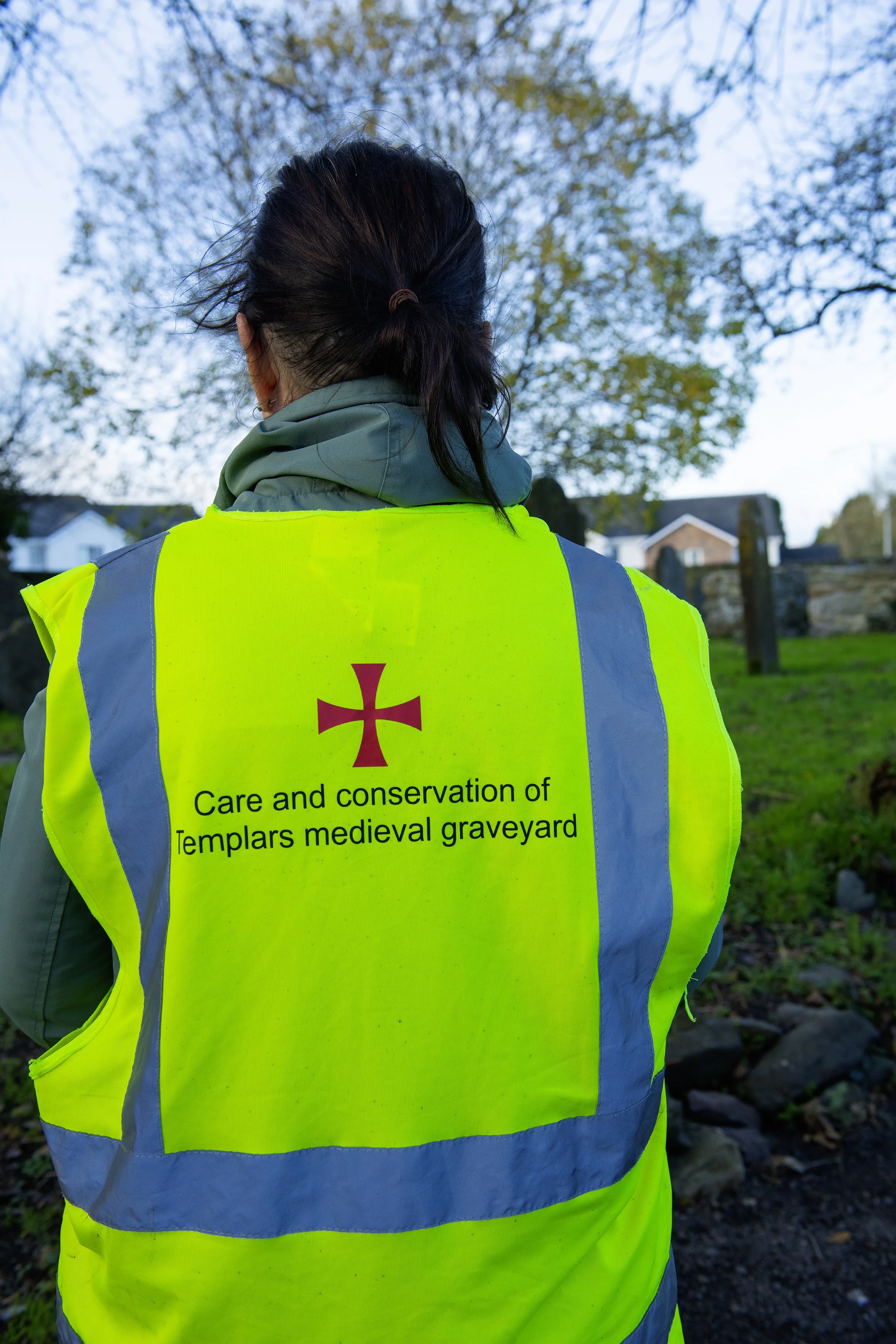
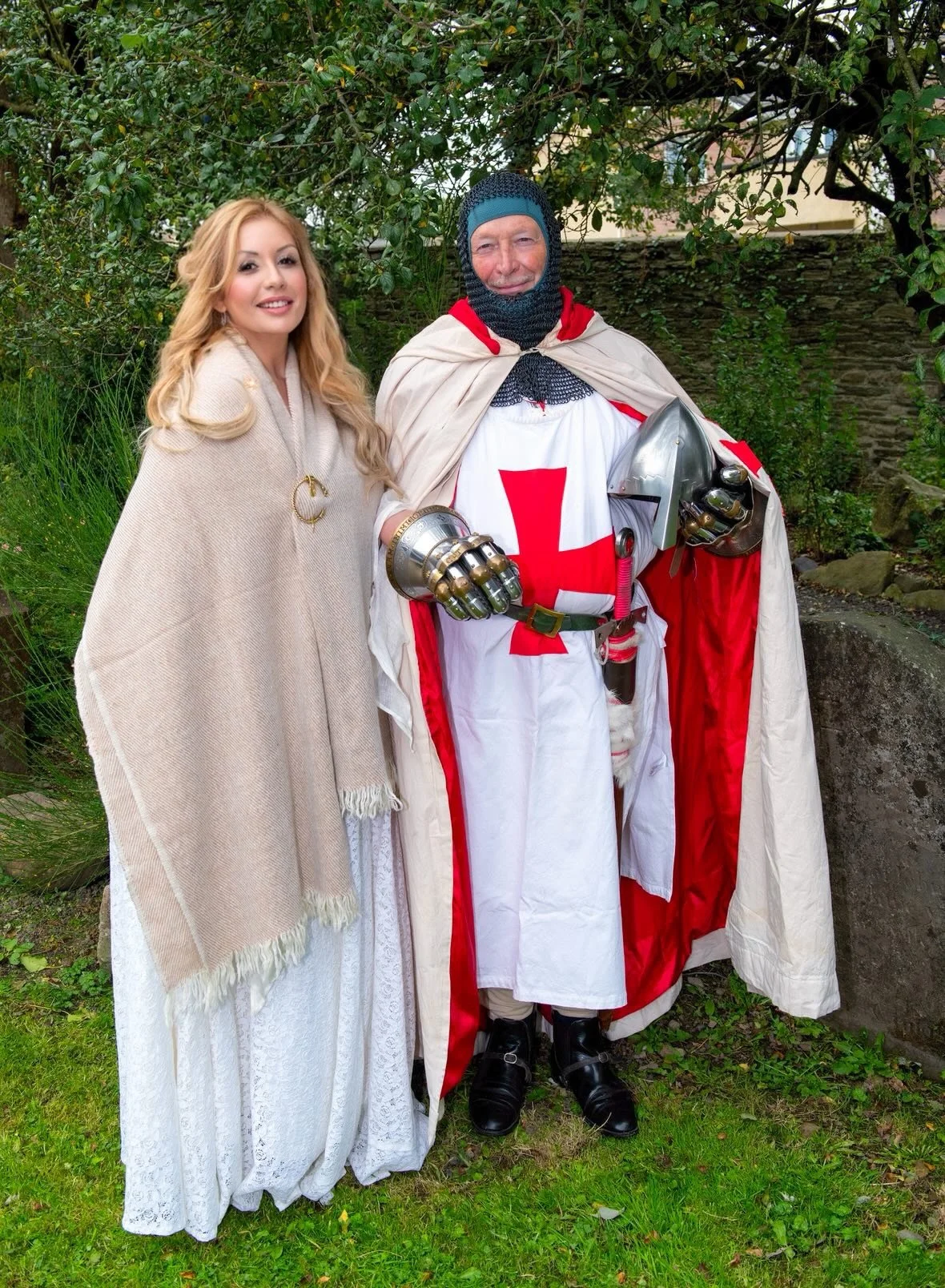
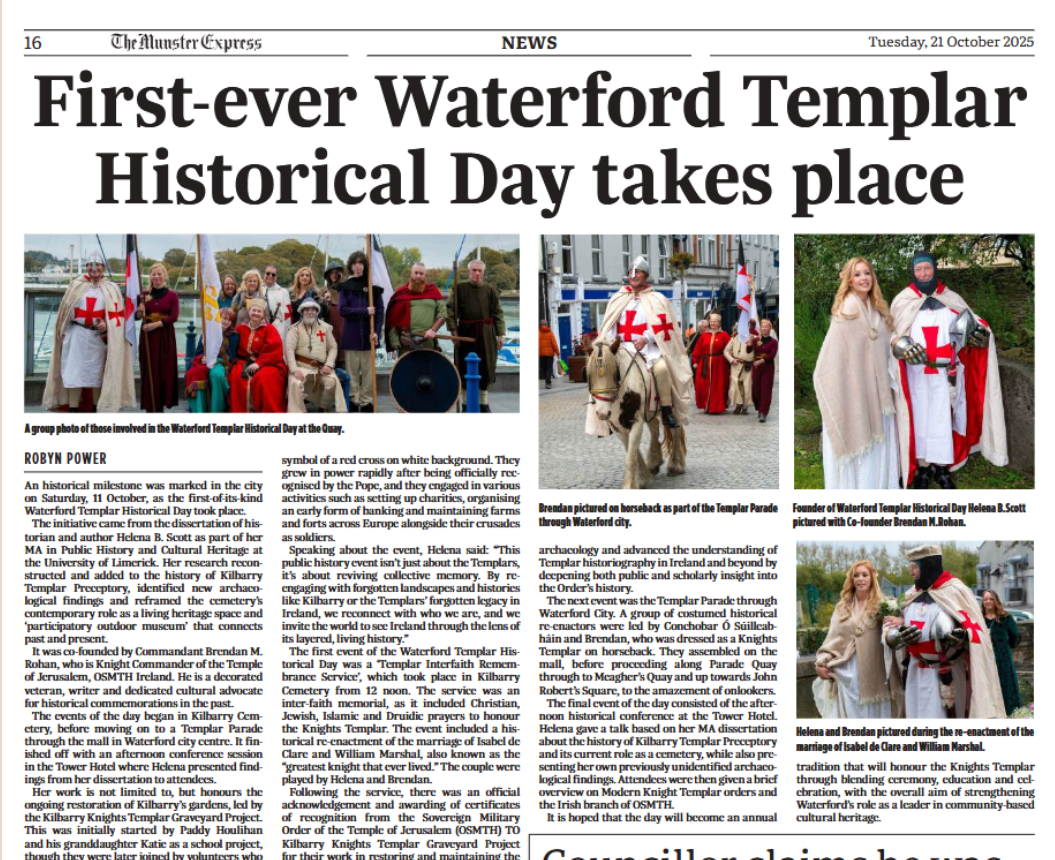
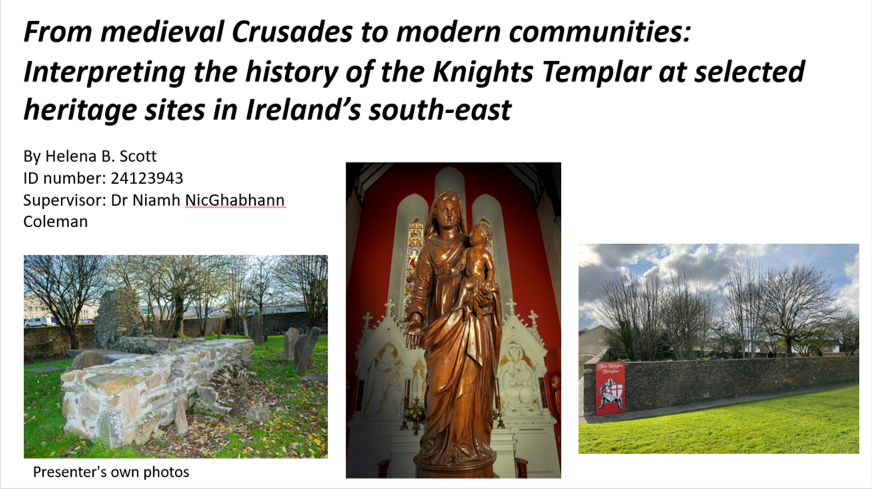
Founded by Helena B. Scott in partnership with Knight Commander Brendan M. Rohan of OSMTH Ireland, Waterford Templar Historical Day was inaugurated on Saturday 11 October 2025 as Ireland's first public history event dedicated to the Knights Templar. Conceived by Helena as part of her MA (Hons.) in Public History and Cultural Heritage, the initiative was created as a biennial tradition to recover and celebrate Ireland's forgotten Templar heritage, engaging local communities while promoting sustainable, year-round cultural tourism through the island's remarkable Templar landscapes, archaeology and history.
Waterford Templar Historical Day
The Waterford Templar Historical Day held on 11th October 2025 in Waterford, Ireland was born from my Master's dissertation in Public History and Cultural Heritage at the University of Limerick, where I explored new ways of reconnecting communities with Ireland's forgotten Templar heritage. Rather than allowing history to remain confined to books and archives, the project sought to bring the medieval past back into public life through education, remembrance, cultural heritage and community participation. Inspired by UNESCO's Historic Urban Landscape approach, the initiative demonstrates how archaeology, historical research and local identity can work together to preserve heritage while enriching contemporary communities.
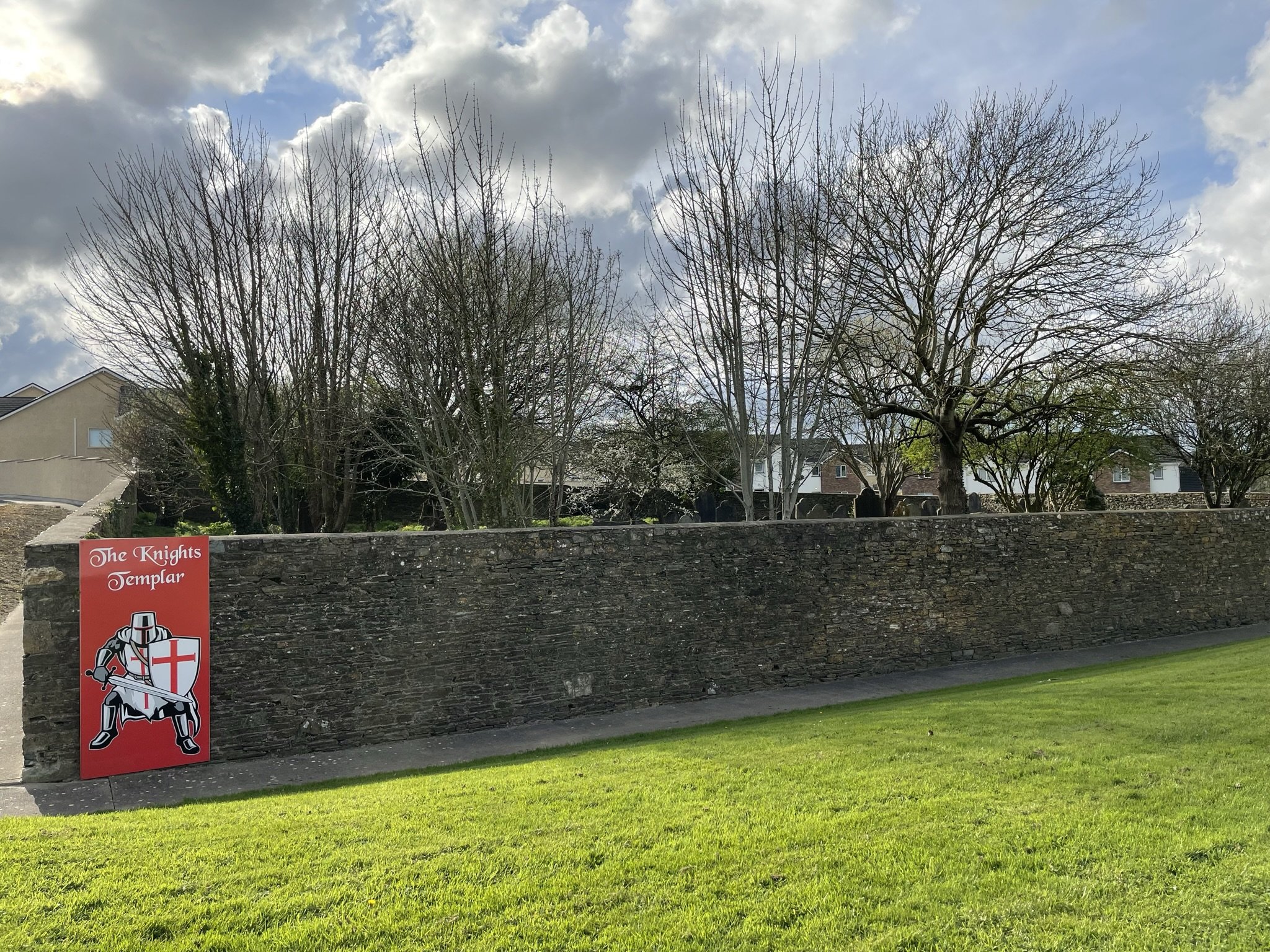
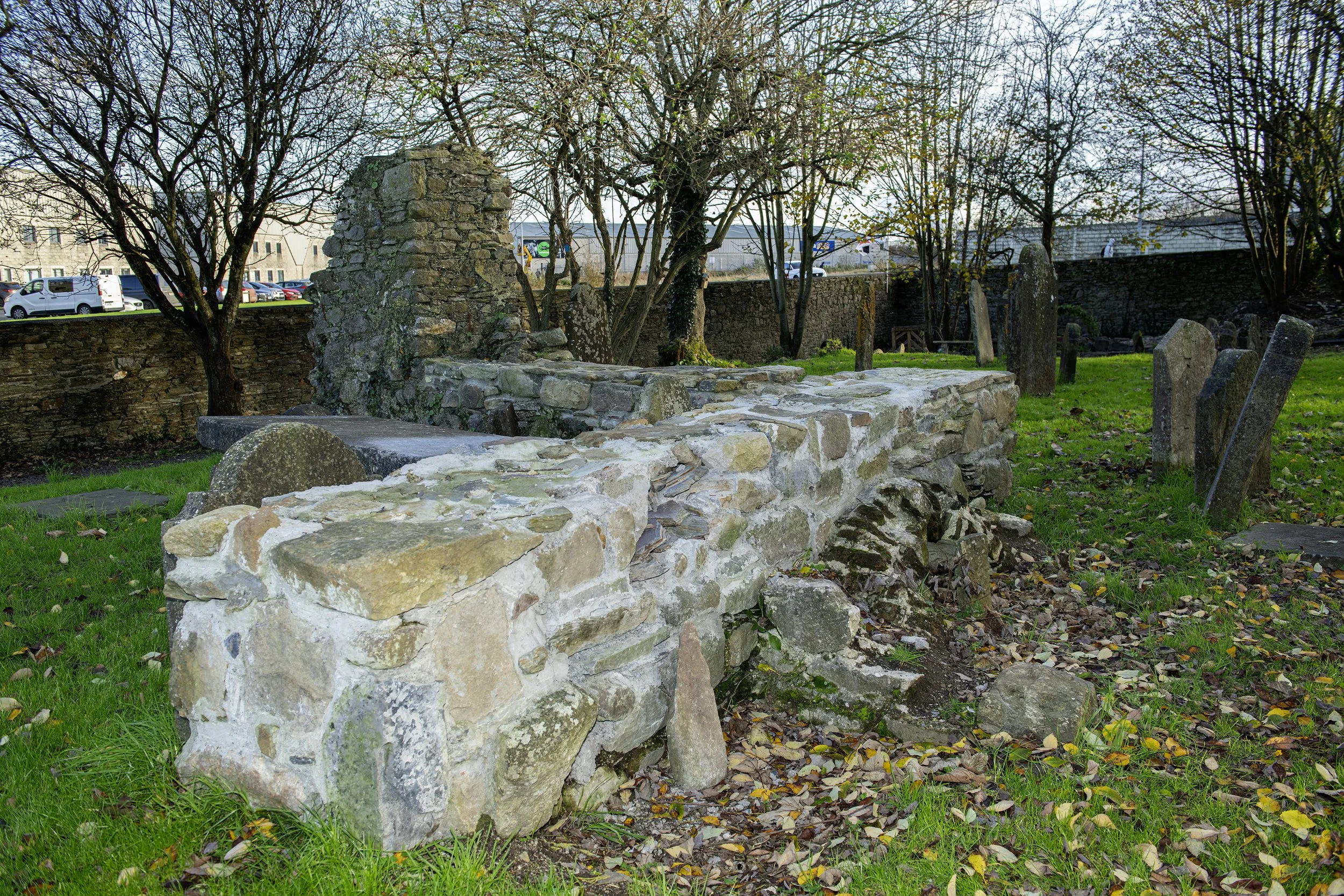
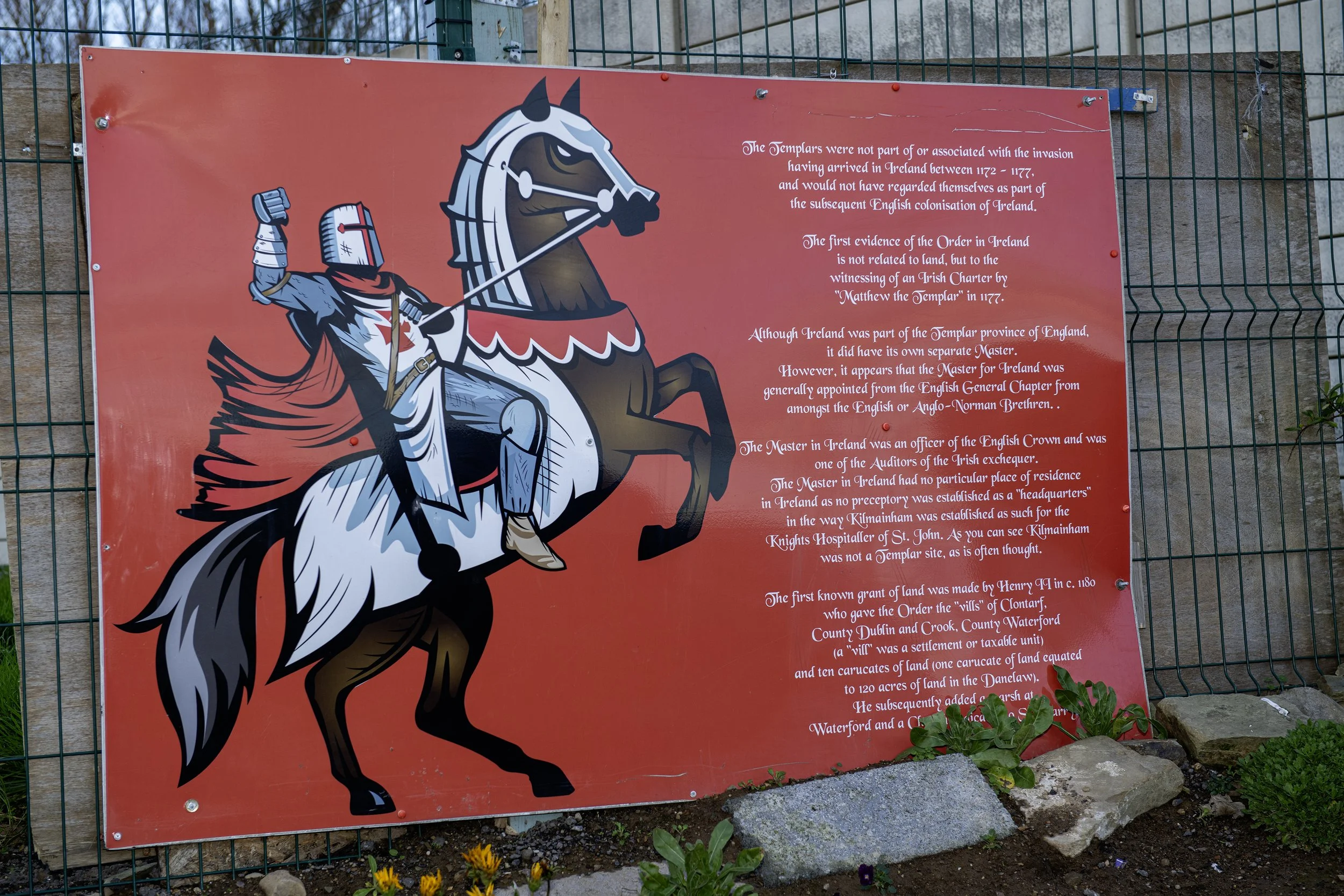
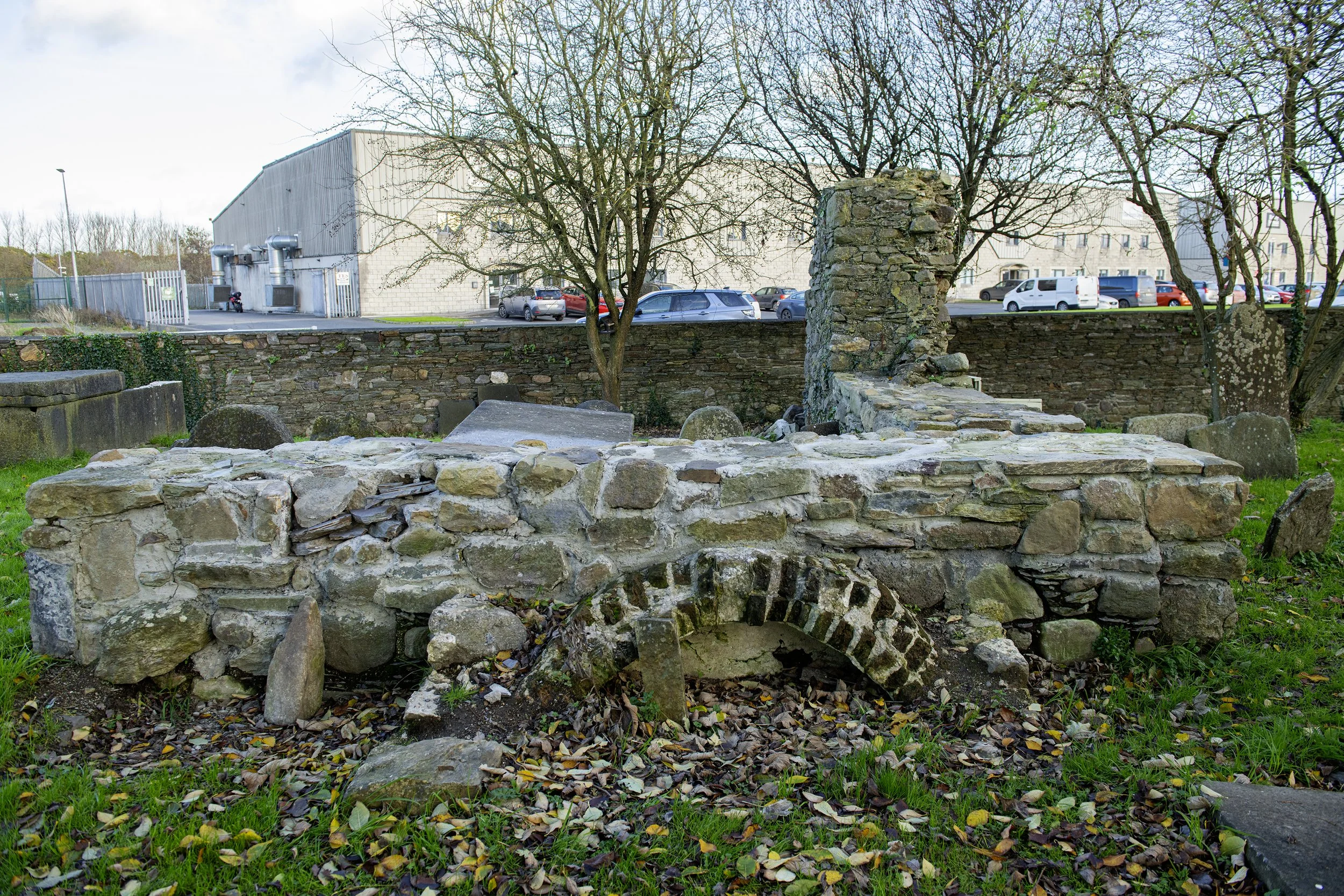
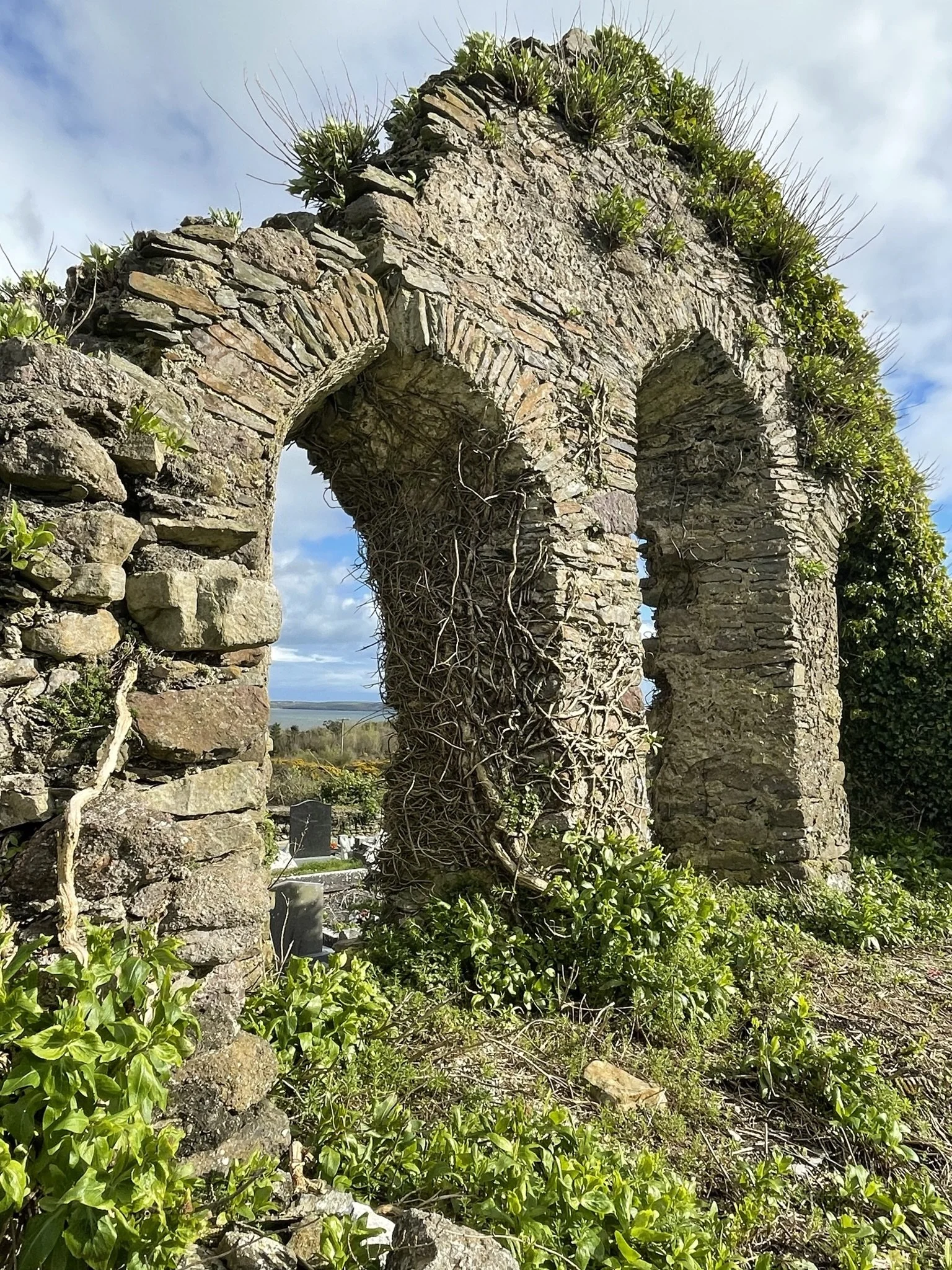
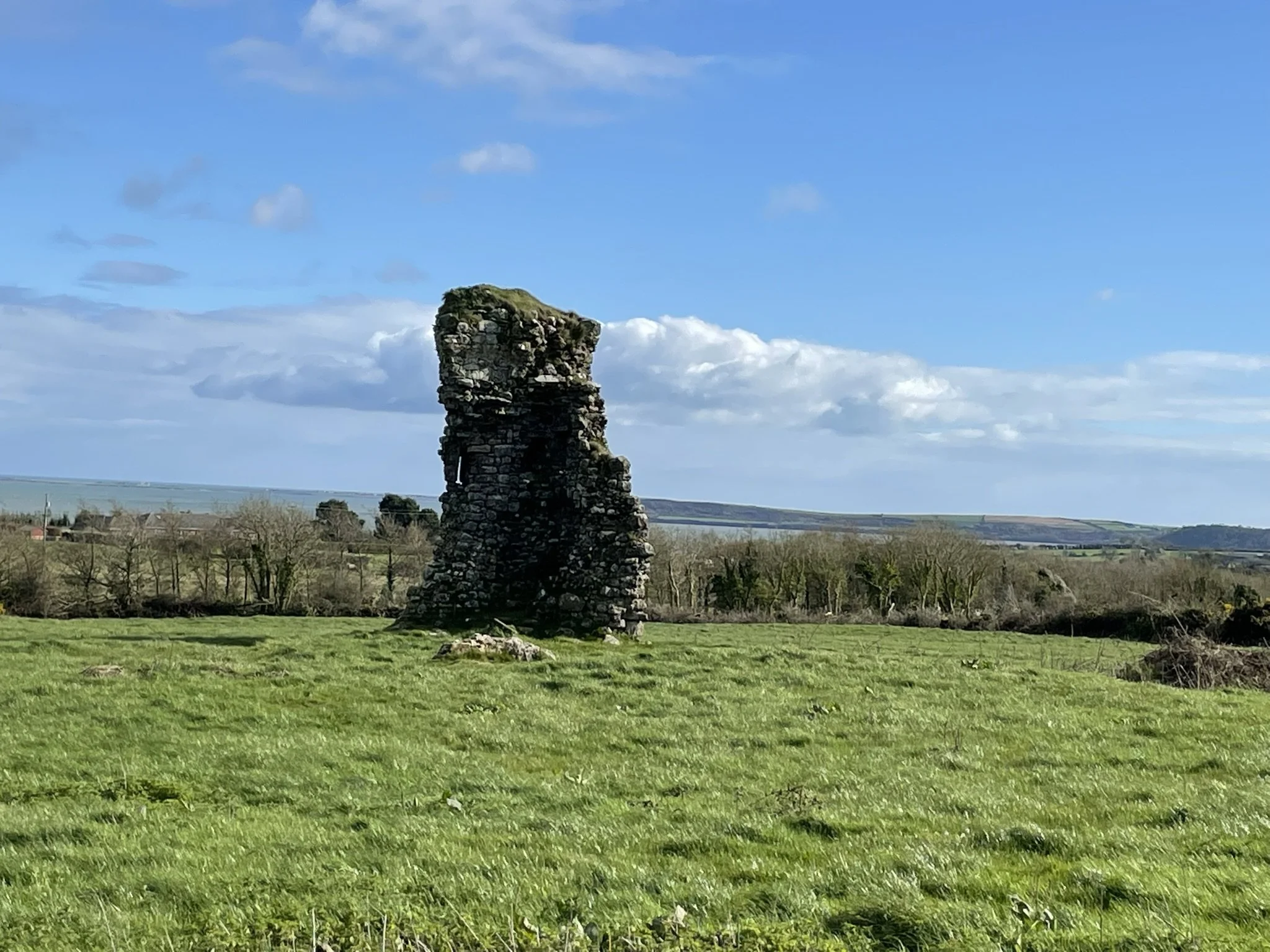
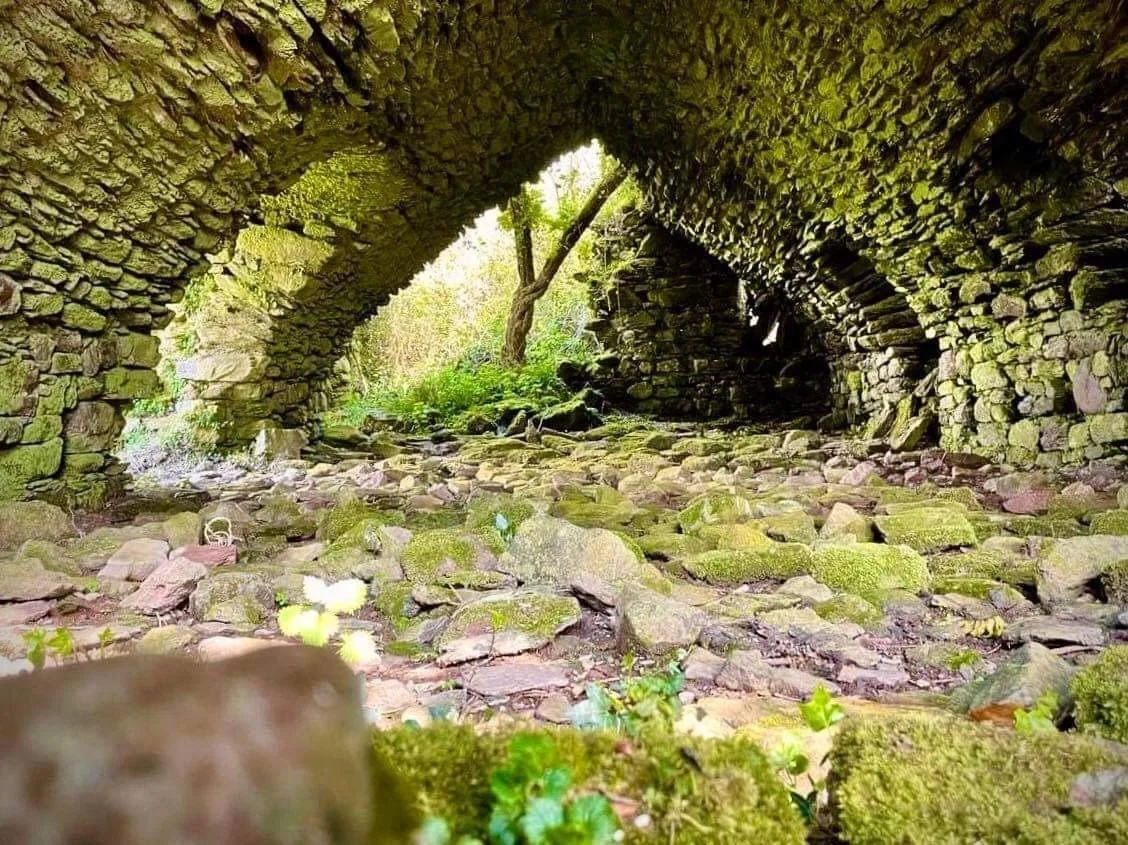
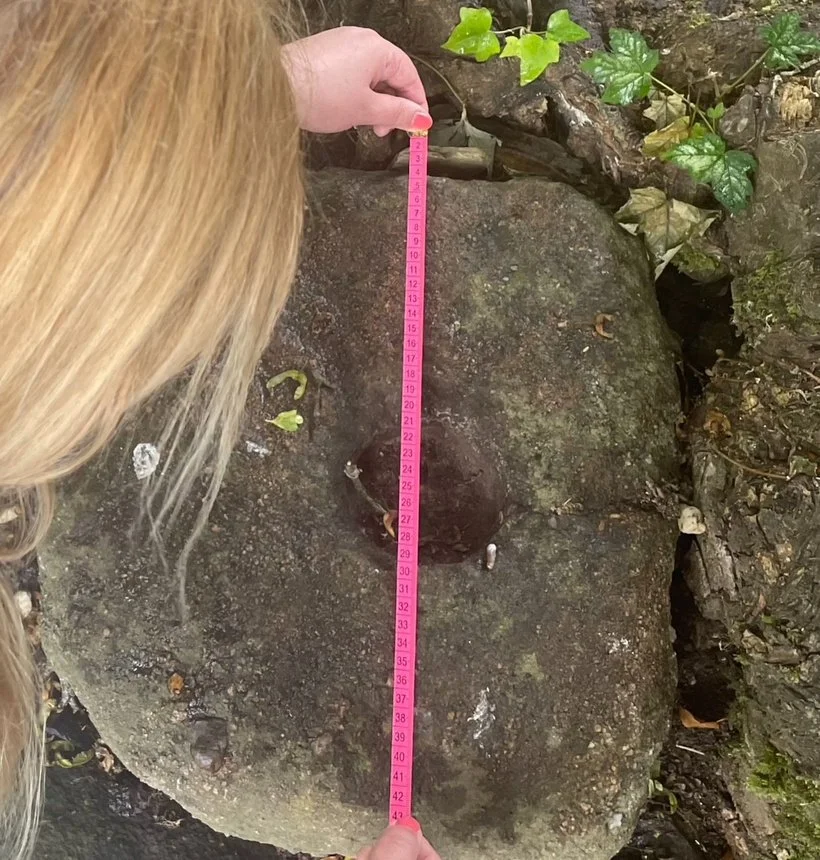
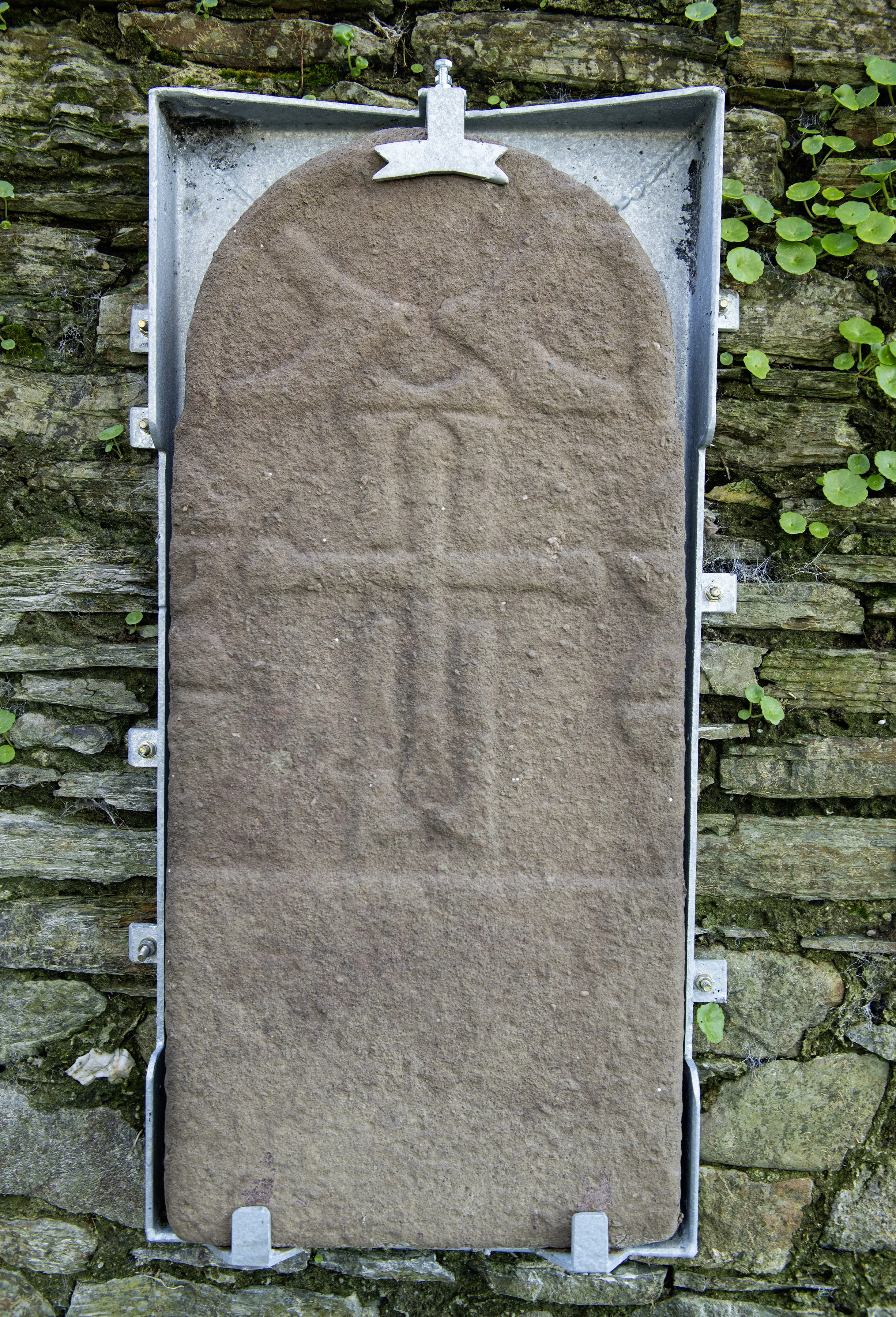
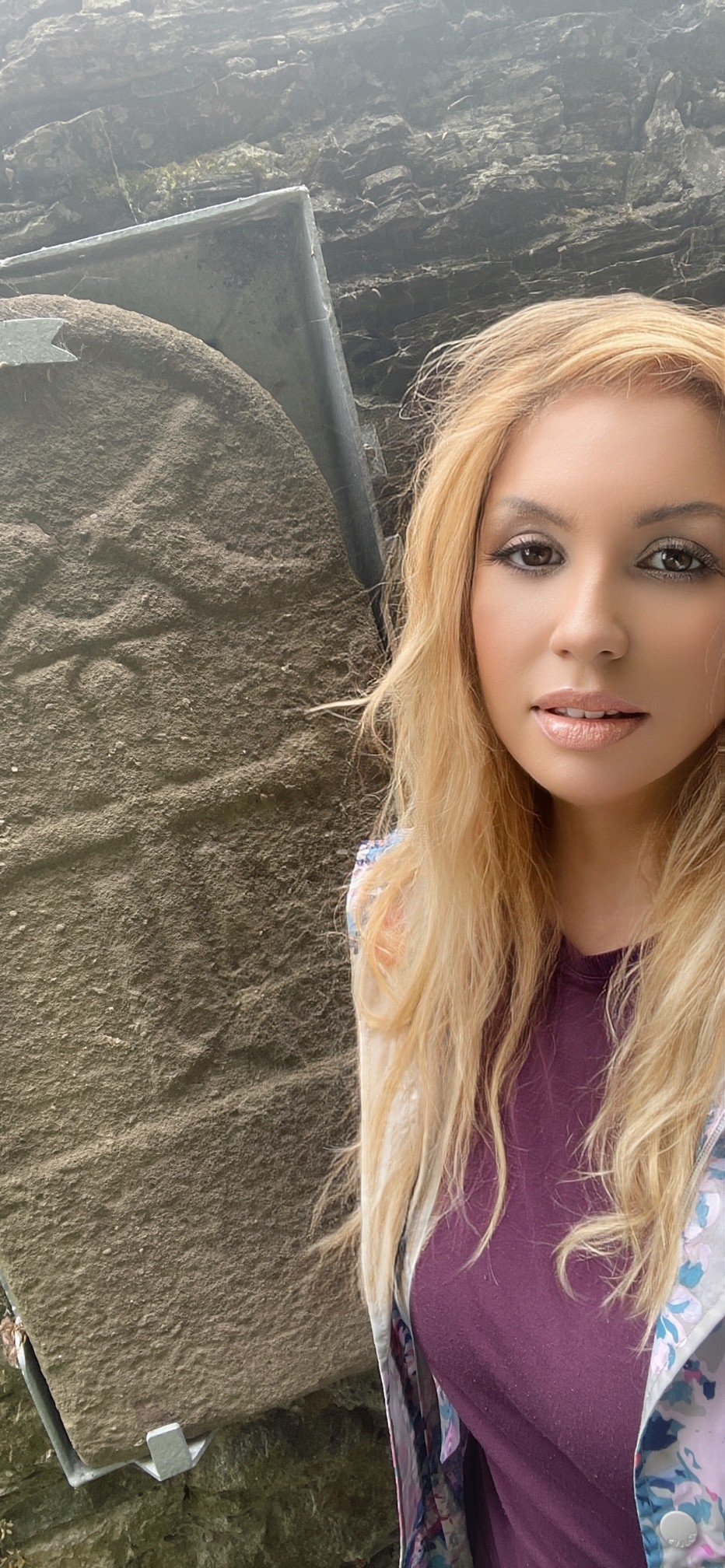
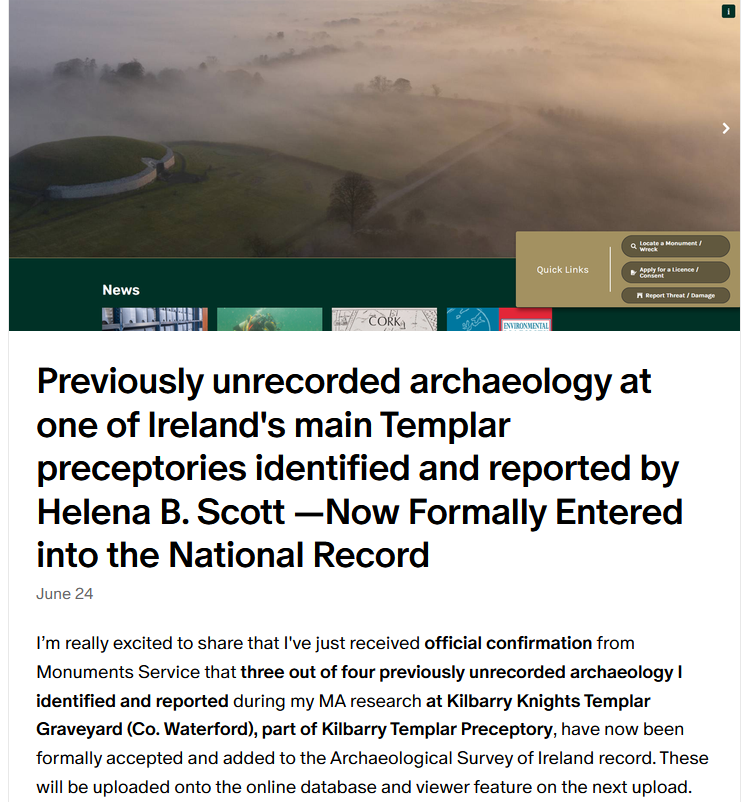
Waterford was chosen as the inaugural location not only because south-east Ireland preserves one of Ireland's richest and most significant Templar landscapes, but also because it was here that the Knights Templar first established a quiet foothold in Ireland, arriving in the wake of the Anglo-Norman invasion and helping to shape the region's medieval history. At its heart lies Kilbarry, one of Ireland's principal medieval Templar preceptories, set within a landscape whose story stretches across millennia. From Neolithic and Bronze Age ritual activity to its early Christian foundations, Norse connections, the arrival of the Knights Templar and the later stewardship of the Knights Hospitaller, Kilbarry preserves an extraordinary sequence of human memory, belief and devotion that makes it one of Ireland's most significant sacred and archaeological landscapes.Through my dissertation research, I reconstructed and expanded the known history of the site, identifying previously overlooked archaeological features and historical evidence that deepen our understanding of this remarkable place. Several archaeological discoveries that I identified in the field (including previously unrecorded features) have since been officially confirmed by Ireland's National Monuments Service, where I am formally recorded as both their identifier and reporter, adding new evidence to the official archaeological record of one of Ireland's most important Templar sites.
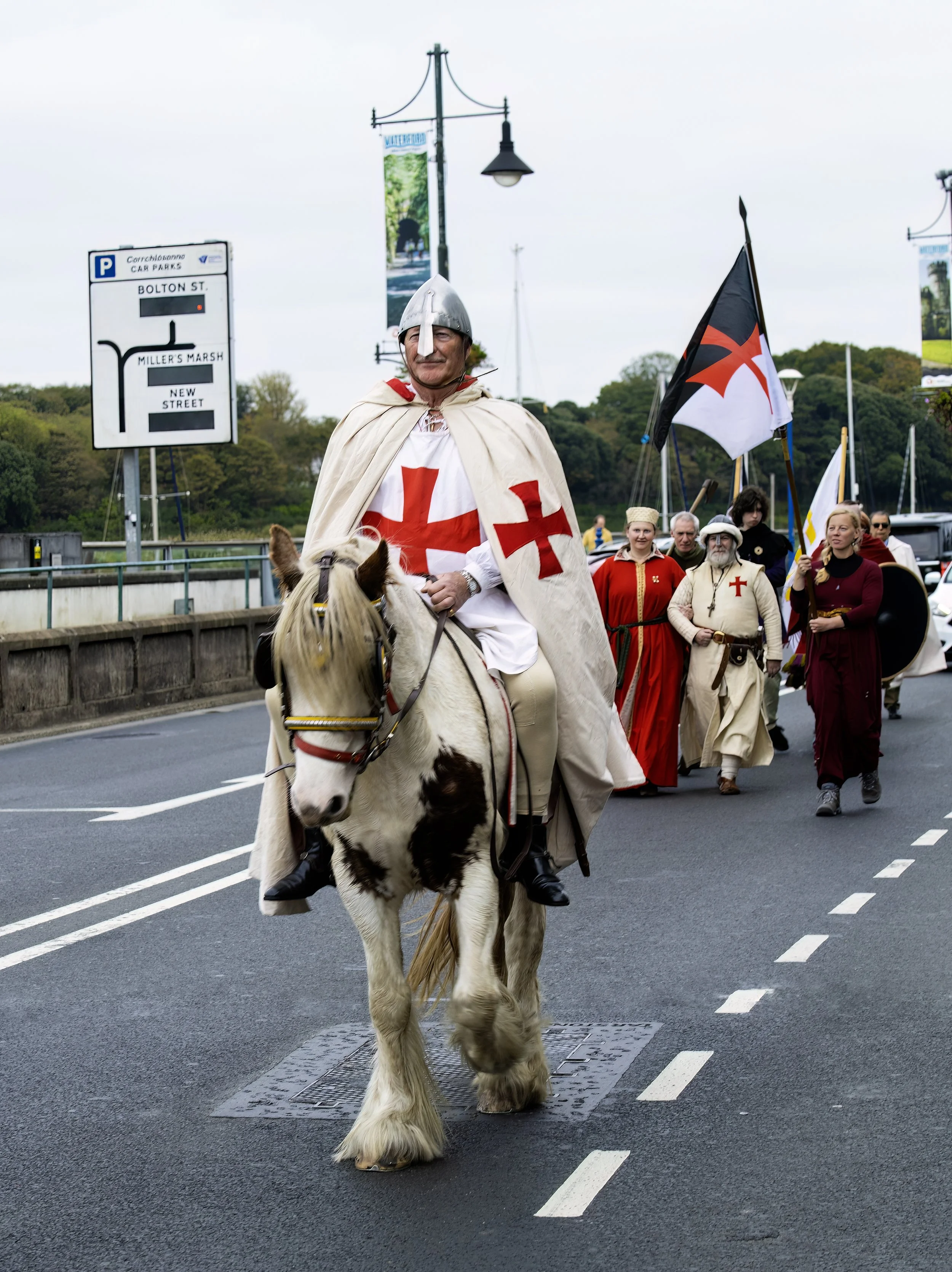
The inaugural Waterford Templar Historical Day brought this heritage to life through an interfaith Templar remembrance ceremony at Kilbarry, a medieval wedding re-enactment inspired by the marriage of Templar William Marshal and Isabel de Clare, a medieval parade with re-enactors in medieval costumed and Knights Templar on horseback through Waterford's historic streets, and a public history conference exploring the history, archaeology and legacy of the Knights Templar in Ireland. More than a commemoration of the past, the event established a new model for public history; one that invites communities to become active participants in preserving, interpreting and celebrating their own cultural heritage.
Discover the story behind Waterford Templar Historical Day, explore the rich Templar heritage of Waterford and south-east Ireland, and learn more about the history and archaeology of Kilbarry, one of Ireland's most significant medieval Templar sites - click here.
Templar Research & Archaeology
A research archive exploring the historical evidence behind the Temple: landscapes, architecture, manuscripts, material culture and archaeological discoveries.
Explore:
→ Templar Landscapes
→ Material Culture
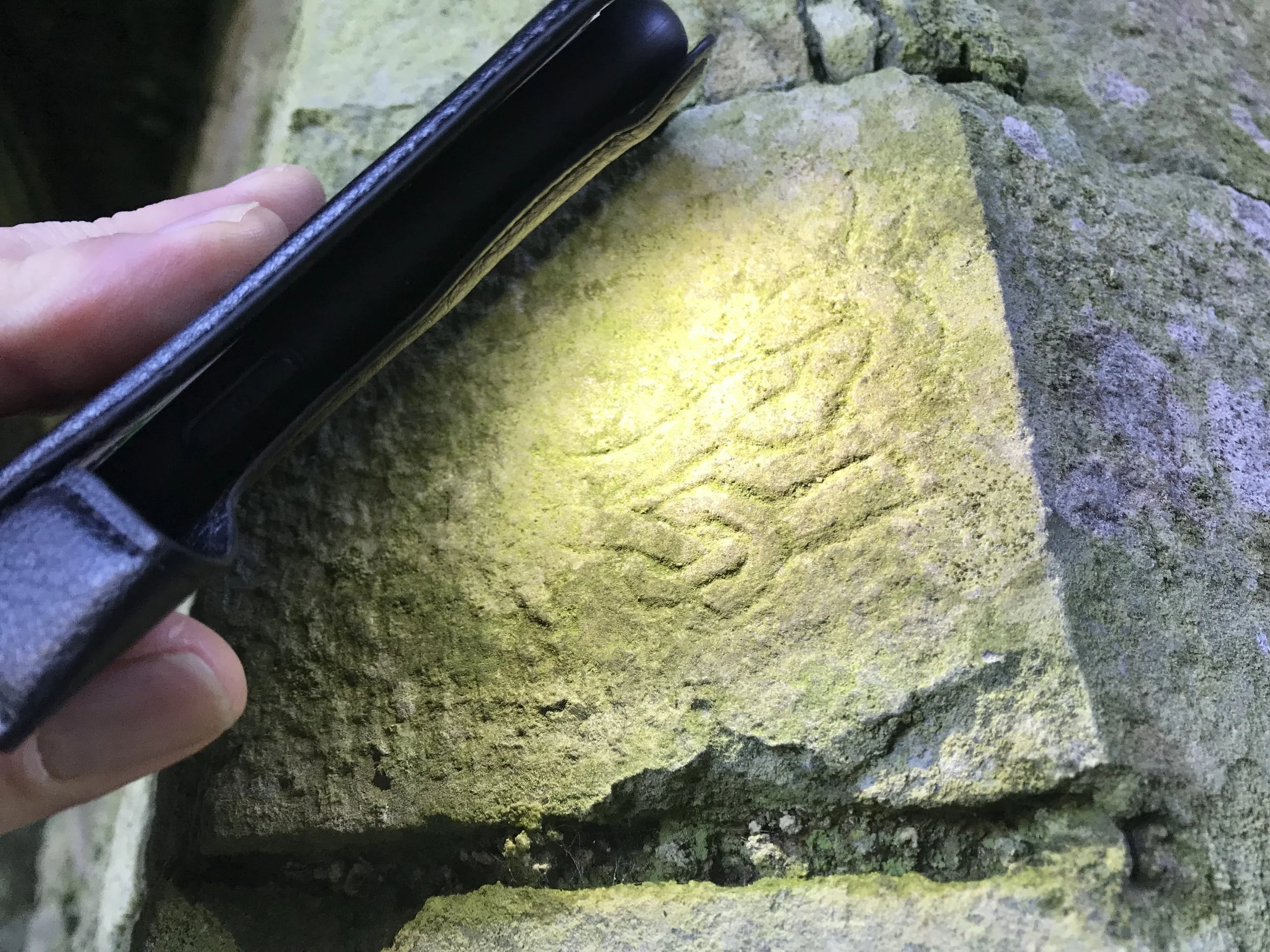
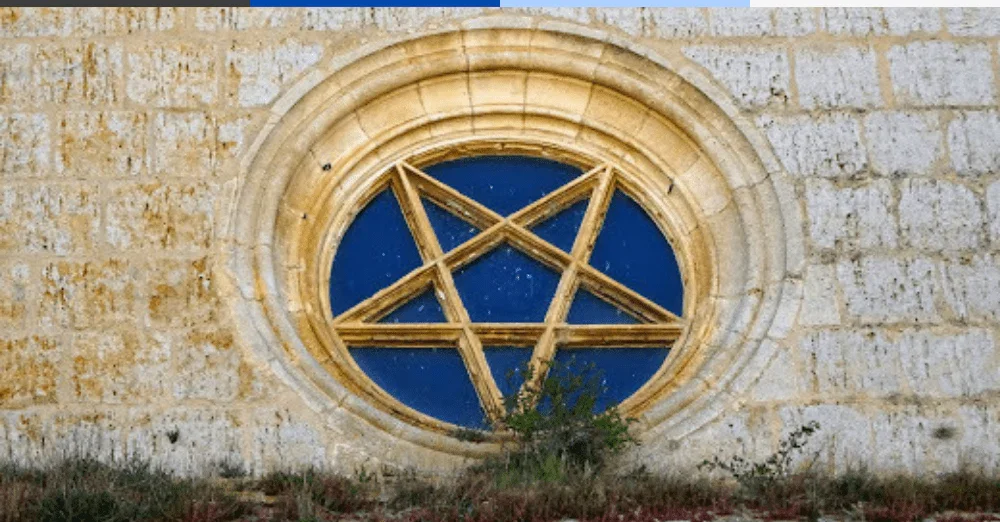
→ Symbols & Inscriptions
→ Hidden Histories of the Temple
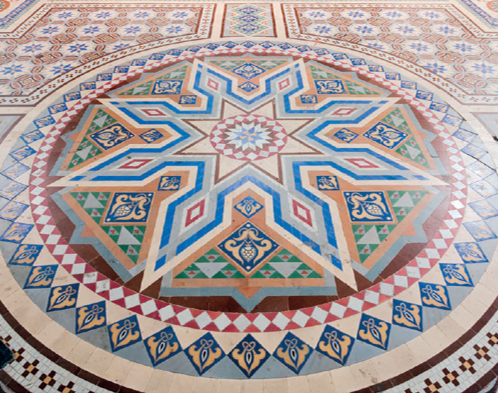
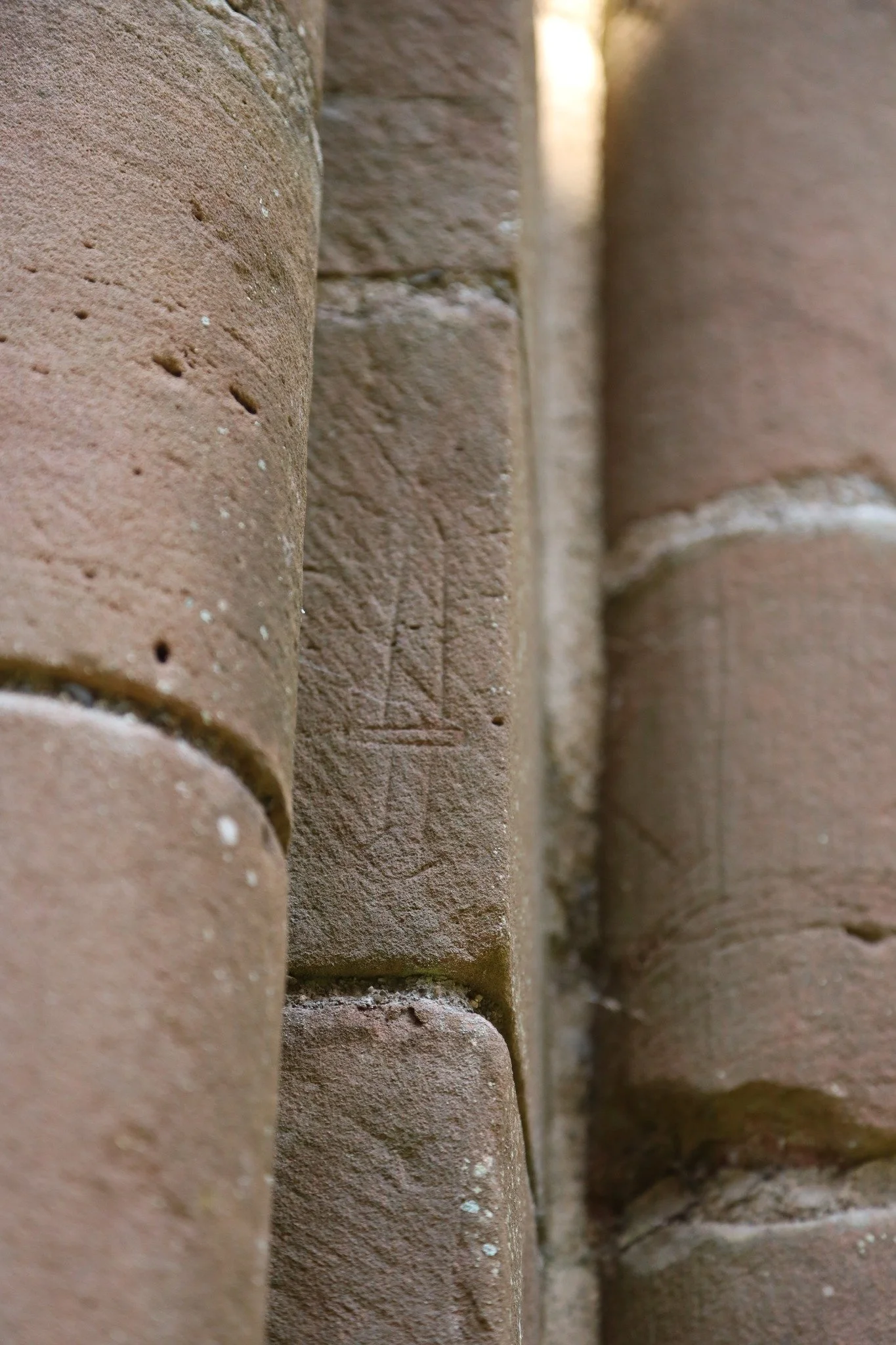
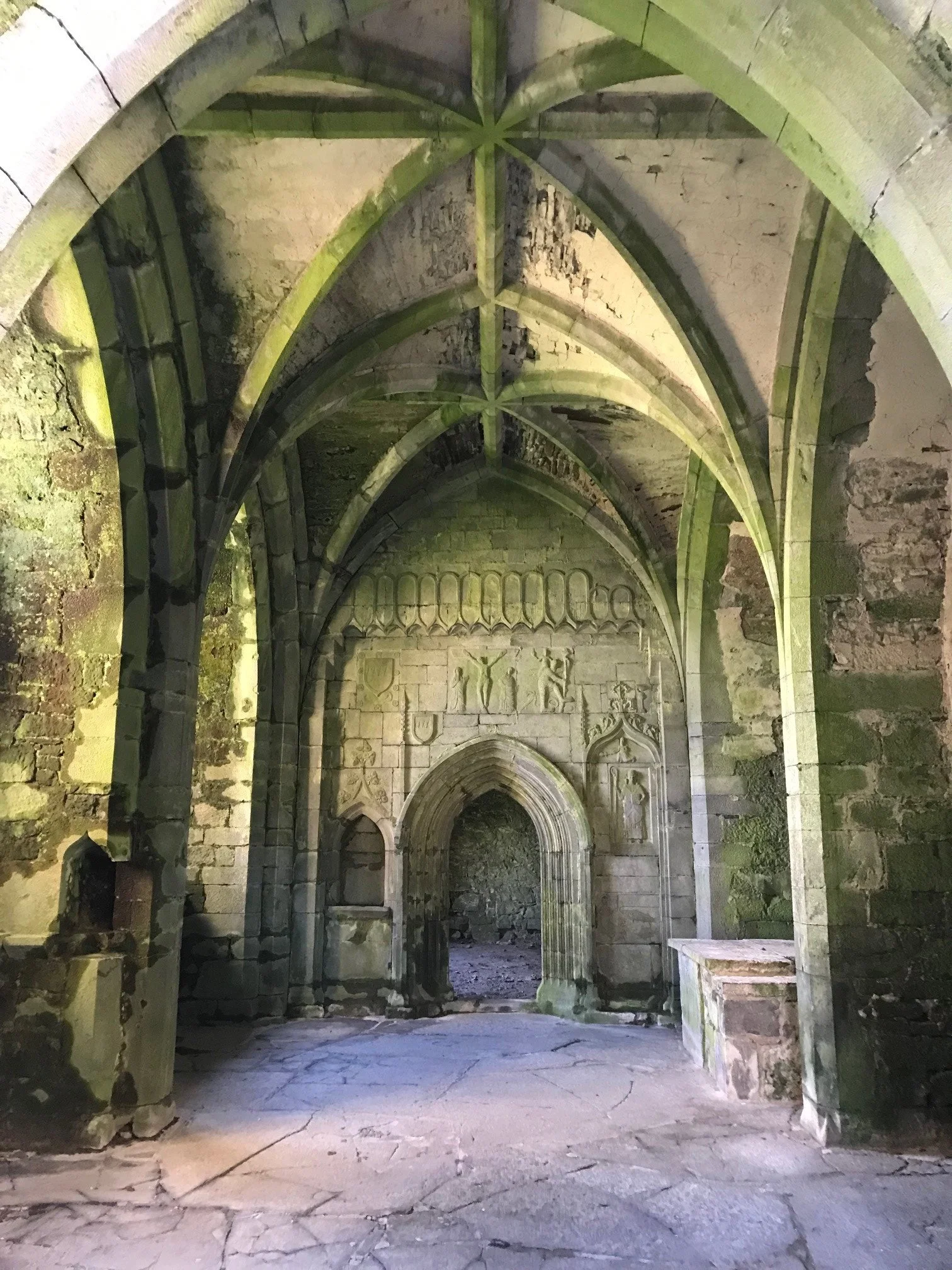
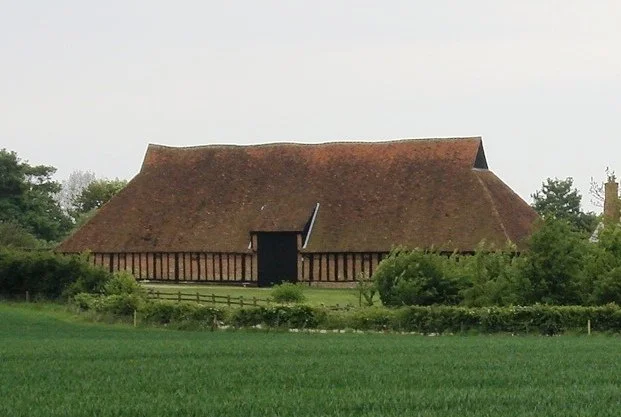
Founded in 1200, Tintern Abbey—also known as the Abbey of the Vow—was established by the legendary knight William Marshal after surviving a treacherous sea crossing from Pembroke, Wales, to Wexford. According to tradition, Marshal vowed to build an abbey dedicated to Our Lady if he and his companions were spared. Celebrated as "the greatest knight who ever lived," William served five English kings and, together with his wife Isabel de Clare, daughter of Strongbow and Aoife MacMurrough, ushered in a period of peace, prosperity, and good governance across Leinster. Through the founding of towns, support for trade, justice, and monastic communities, they earned the respect and loyalty of many of the people they governed. Today, the Abbey of the Vow stands as a lasting monument to faith, chivalry, and one extraordinary promise fulfilled.
The Knights Templar: Lectures, Masterclass, Courses & Mentorships
Worldwide Digital & Online Learning
Bringing Templar history to life through technology
My research extends beyond books and lectures into the creation of original digital learning tools designed to make the history, symbolism and spirituality of the Knights Templar more accessible, engaging and interactive. Developed from years of historical research, primary sources and fieldwork, I built these platforms by combining scholarship with modern technology to support students, researchers and lifelong learners around the world.
The Templar Academy
Whether you are taking your first steps into the history of the Knights Templar or pursuing advanced research, my online The Templar Academy offers an inspiring place to learn through rigorous scholarship, engaging discussion and a welcoming international community. Students from around the world join me live online to explore Templar history, archaeology, symbolism, spirituality, medieval culture and the wider world of the Crusades.
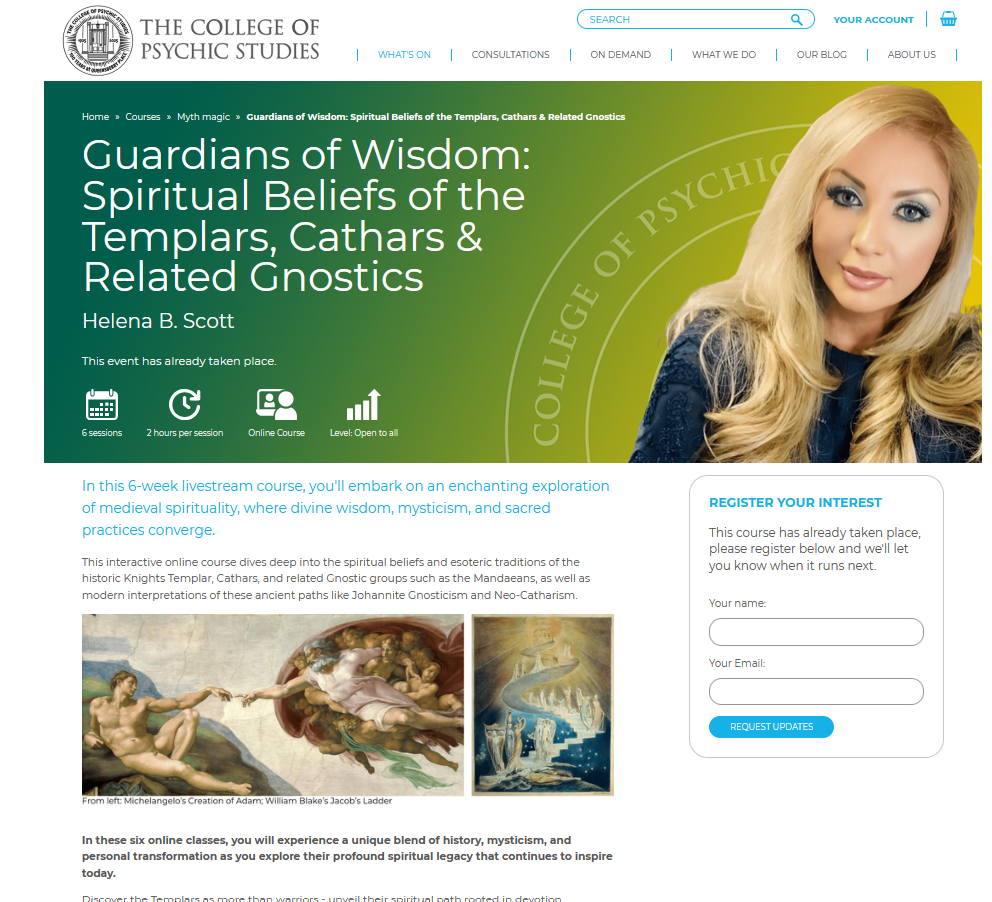
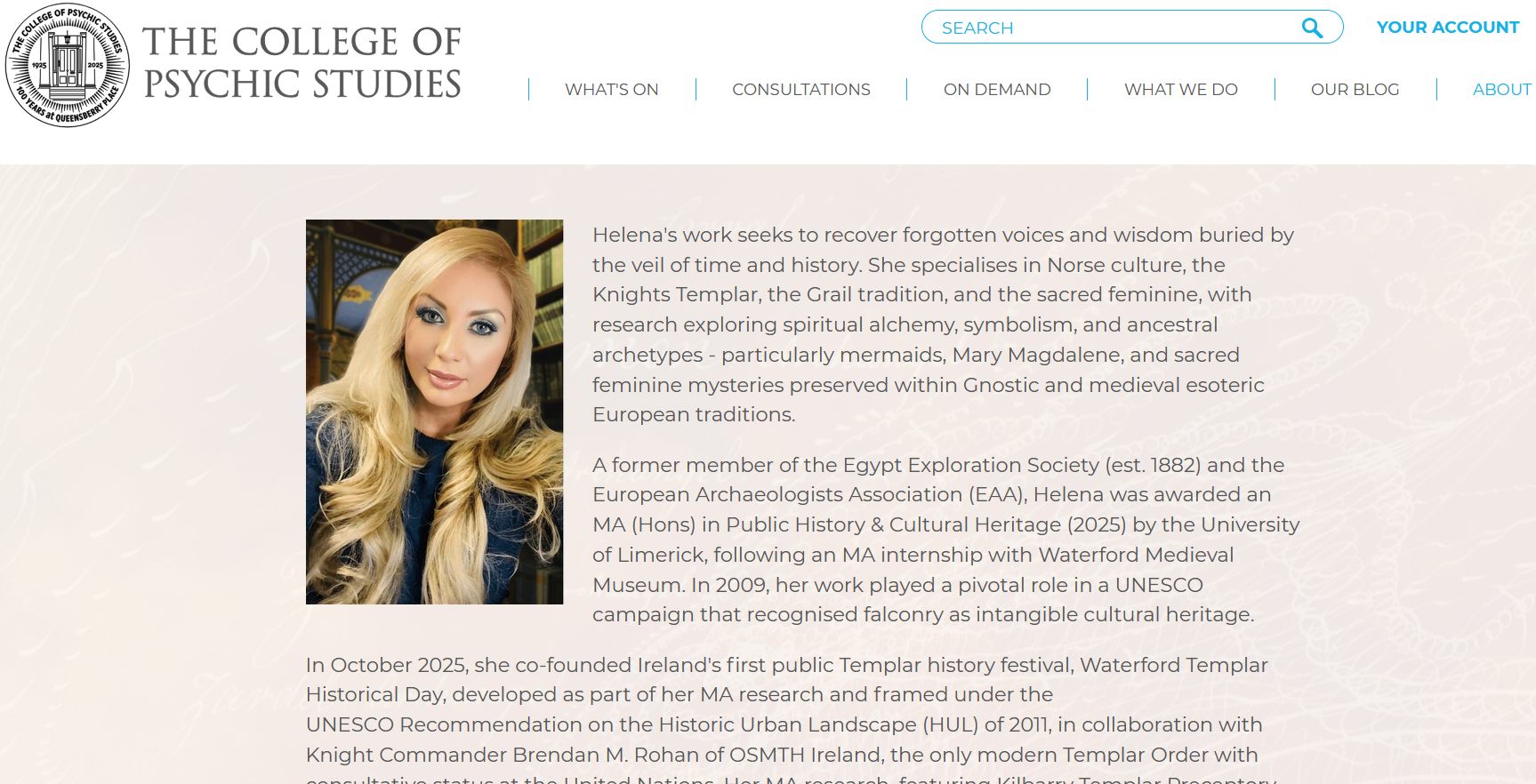
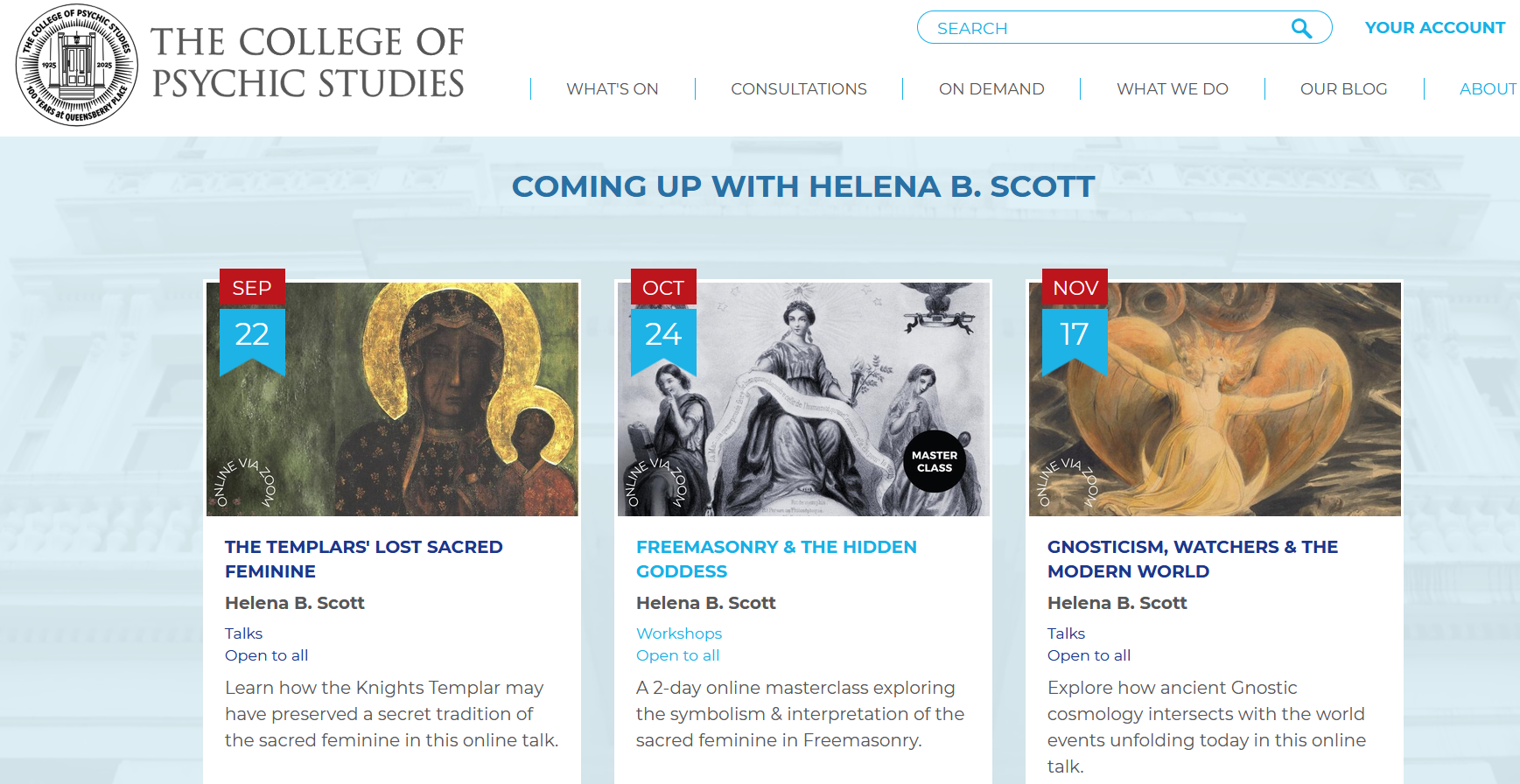
Teaching is available through live Zoom courses, my Patreon community, and the internationally renowned College of Psychic Studies (est. 1884) in London, where I regularly lecture and teach specialist talks and masterclasses on the Templars and related topics - click here to view my profile and my upcoming live events. Every class is delivered live, encouraging discussion and questions, with recordings and additional handouts as well as guide booklets and publications provided to registered participants who are unable to attend but have booked previously.
Through Patreon, members can also access an ever-growing library of more than 70 recorded lectures, premium articles and digital downloads, with Epoptes members and higher receiving unlimited access to both past and future recordings, alongside exclusive live events, seminars and discussions held throughout each month as well as discounts to future events outside Patreon hosted privately. See video below on how my Patreon works, which can be a great gift for all seekers of truth (for xmas I offer gift bundles of mentorship, consultations and Patreon subscriptions in my store - click here to view).
Explore
→ Live Online Courses
→ Masterclasses
→ Specialist Lectures
→ 70+ Recorded Talks
→ Study Programmes
→ Private Mentorship
→ Historical Research & Consultancy
I also offer bespoke lectures, workshops and study programmes for Knights Templar Orders, museums, heritage organisations, universities, historical societies and private groups, together with one-to-one mentorship, historical consultancy and specialist research tailored to individual projects and organisations.
Digital Scholar's Pass
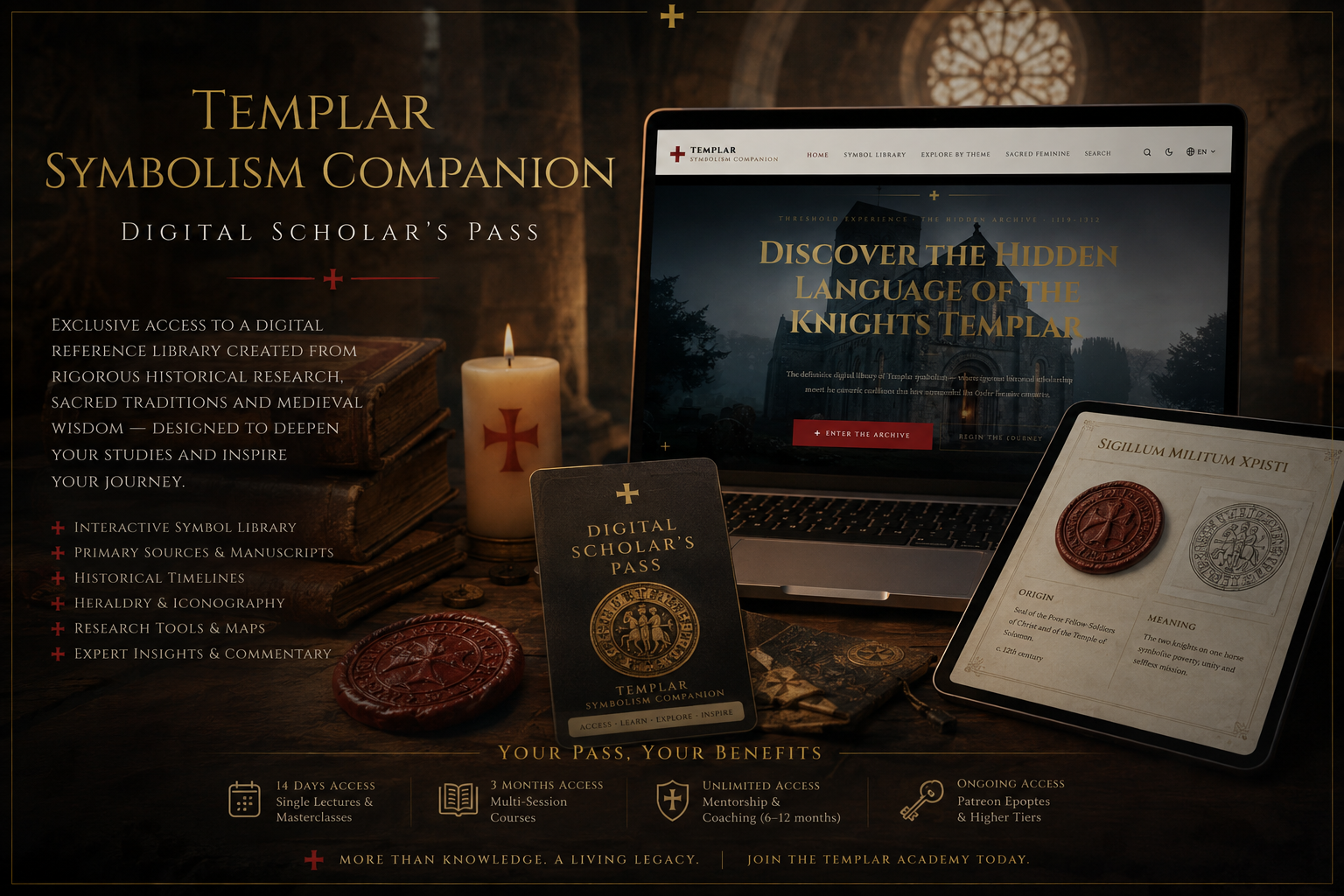
Every student who joins The Templar Academy receives a Digital Scholar's Pass—exclusive access to my growing collection of digital learning resources, created from more than three decades of historical research, archaeology and teaching.
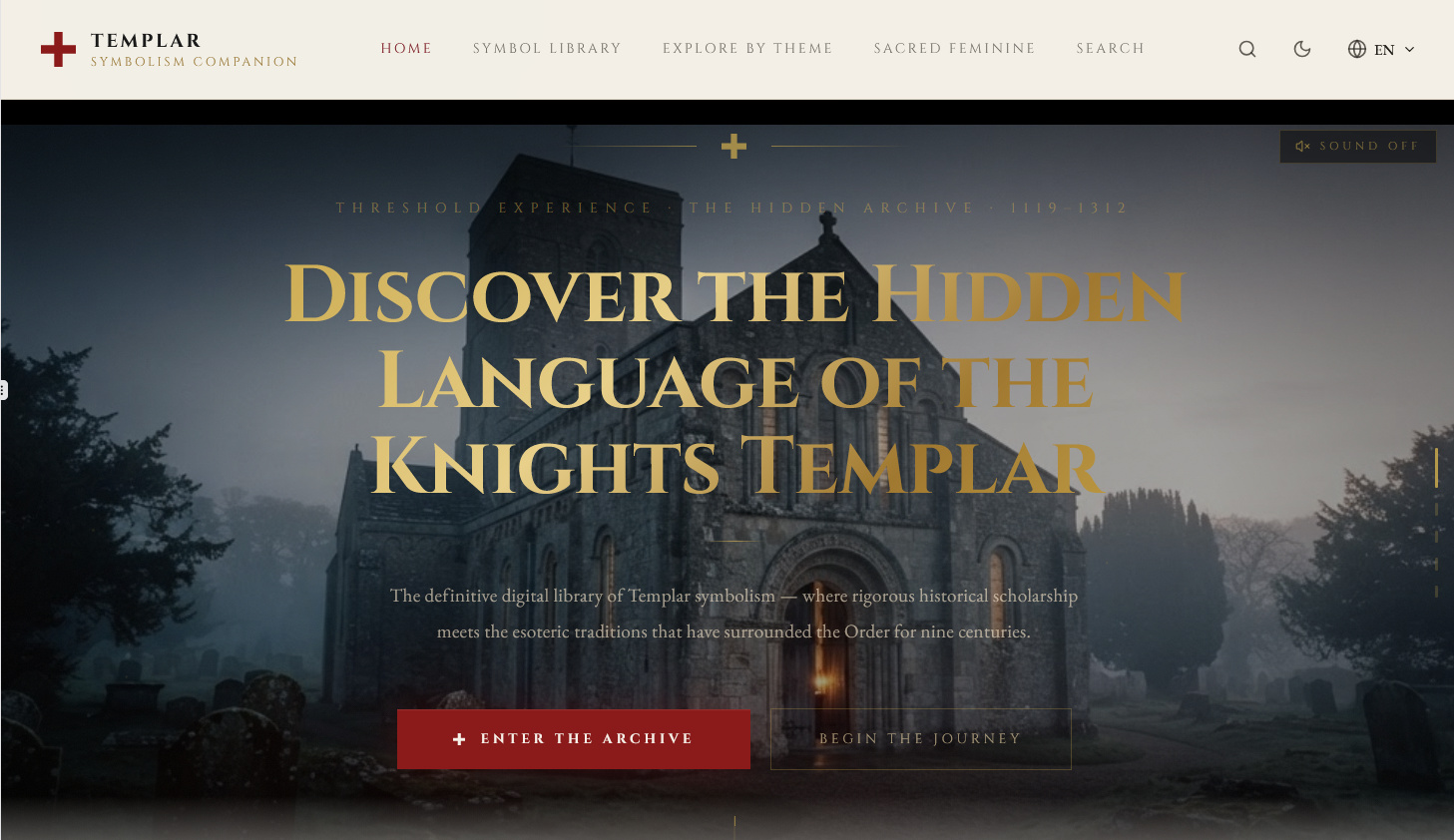
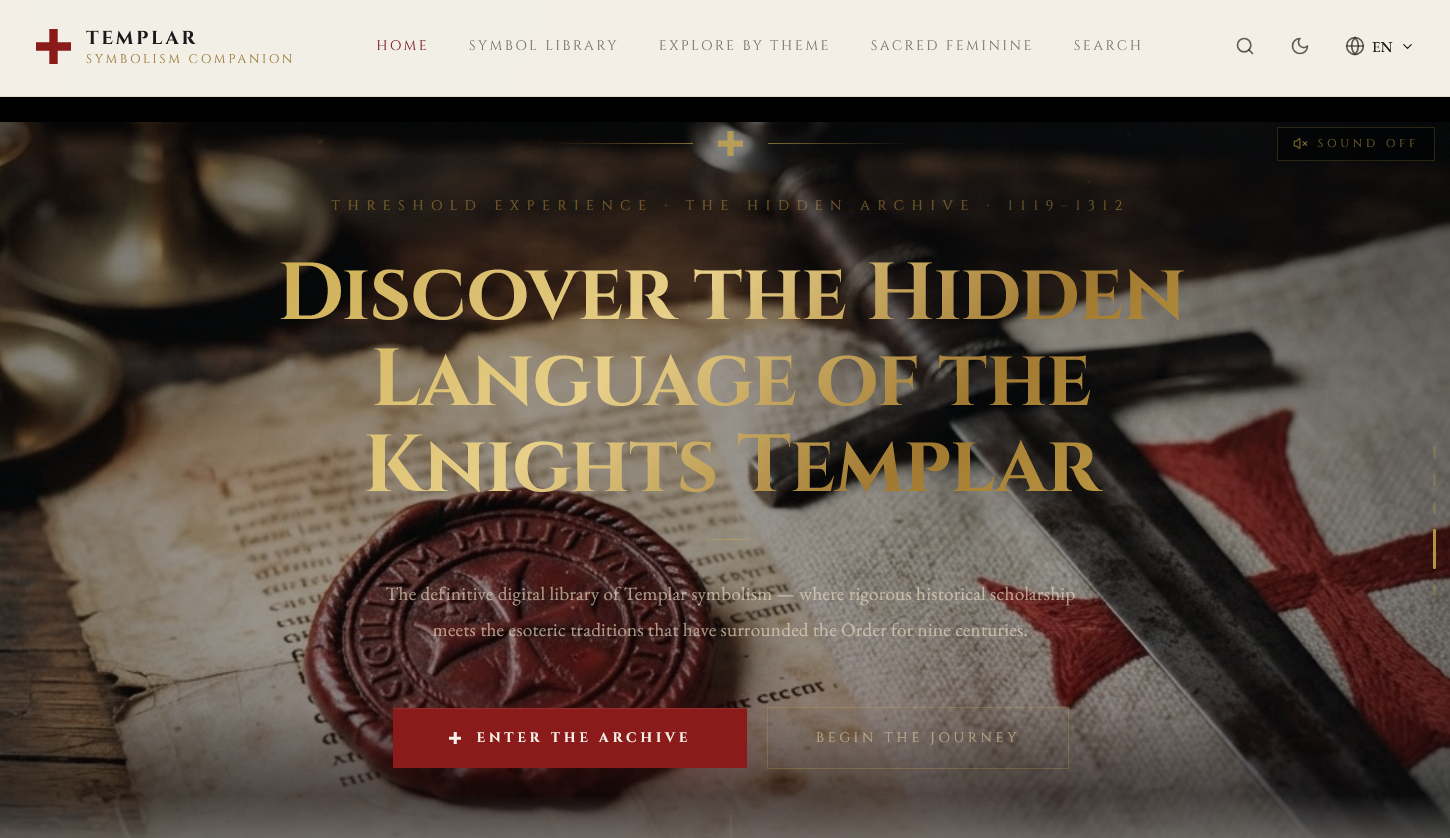
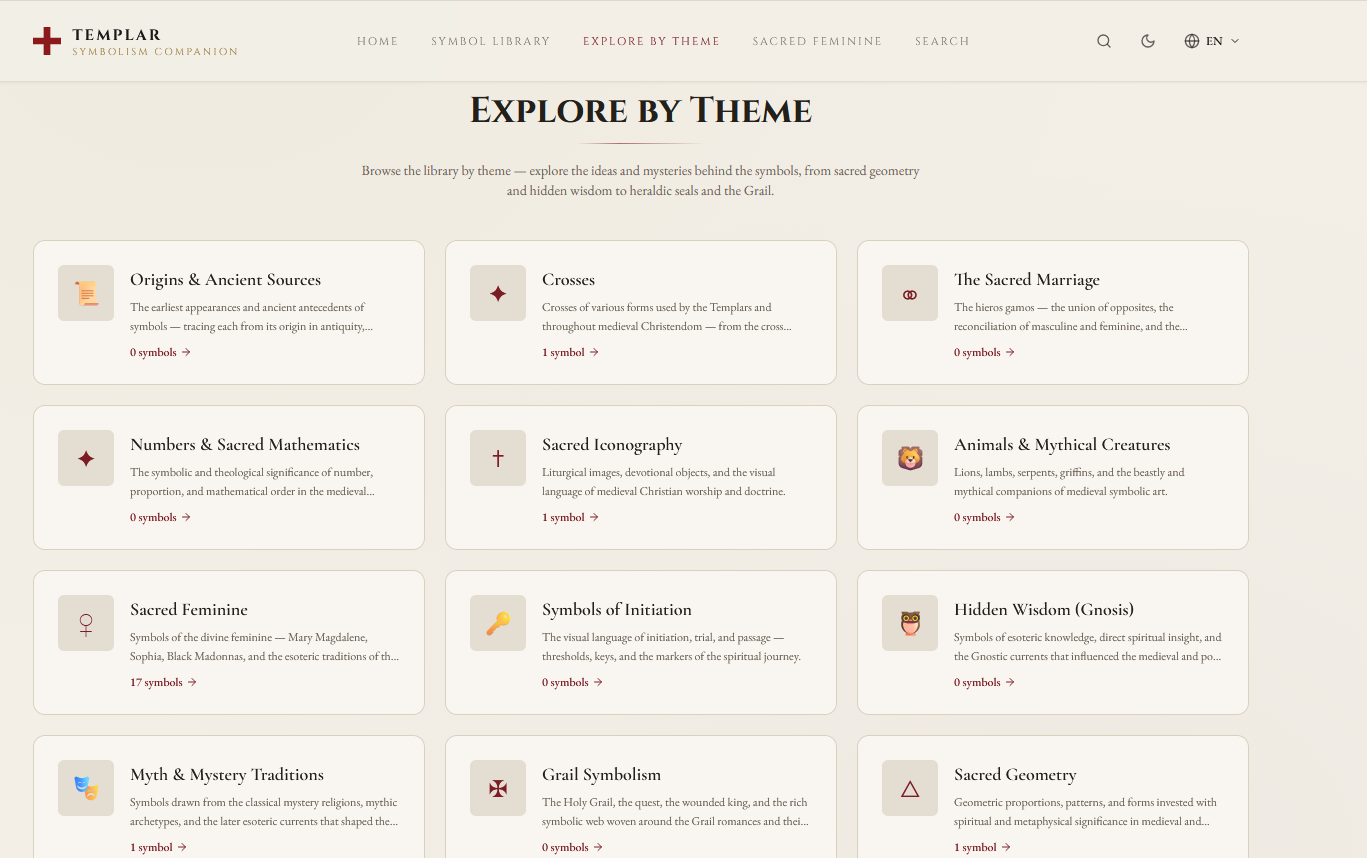
At the heart of the collection is the Templar Symbolism Digital Companion, an interactive research and learning platform developed from my own work with primary sources, medieval symbolism, archaeology and cultural heritage. Designed to complement lectures and independent study, it enables students to continue exploring the themes discussed in class long after each session has ended.
Included with your studies
Single Lecture or Masterclass
Receive a 14-day Digital Scholar's Pass, providing full access to the Templar Symbolism Digital Companion to reinforce and extend your learning.
Multi-Session Courses
Receive a 3-month Digital Scholar's Pass, allowing you to explore the platform throughout your course and continue your studies afterwards.
Private Mentorship & Coaching (6–12 months)
Enjoy unlimited access to the Templar Symbolism Digital Companion for the full duration of your mentorship, providing a comprehensive digital reference library to support your personal research and development.
Patreon Members
Members of the Epoptes tier and above receive ongoing access to the complete library of recorded lectures together with the Templar Symbolism Digital Companion for the duration of their membership.
As the Academy grows, your Digital Scholar's Pass will continue to unlock new resources, including additional digital companions, research tools, interactive learning materials and historical reference collections, creating a unique learning environment that combines rigorous scholarship with innovative technology.
Publications & Collaborations
Historical research fulfils its greatest purpose when it is shared. For more than three decades, my work has sought to recover overlooked voices, forgotten landscapes and the deeper history of the Knights Templar. Through books, articles, scholarly collaborations and public engagement, I bring together historical research, archaeology, cultural heritage and primary sources to recover forgotten histories, illuminate new perspectives and make rigorous scholarship accessible to readers and audiences around the world.
Explore:
→ Books
→ Articles
→ Book Chapters
→ Documentaries & Research Collaborations
→ Podcasts & Vlogs
Loftus Hall: The Hall of Dreams
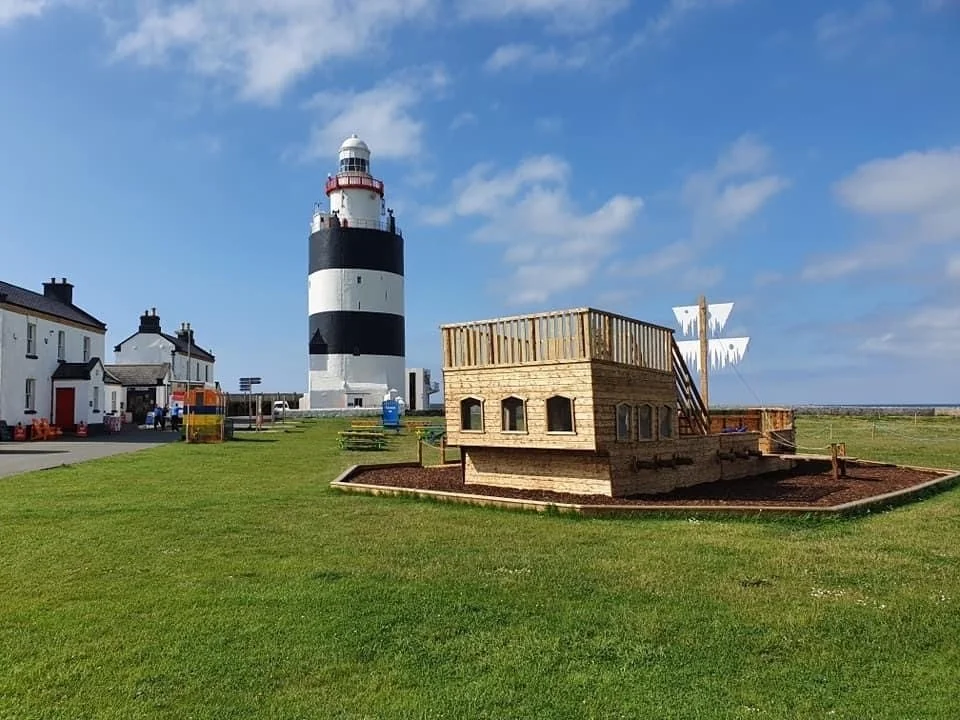
Perched dramatically above the Hook Peninsula, Loftus Hall stands upon a landscape where history, memory and legend converge. Long before the house became associated with ghost stories, these ancient shores witnessed the arrival of the Anglo-Normans, whose families would quietly shape the earliest foundations of the Knights Templar in Ireland. Through the threads of Norman genealogy, forgotten patronage and medieval landholding, the story of the Temple in south-east Ireland begins to emerge—not with spectacle, but with the silent footsteps of those who carried new ideas, new institutions and enduring traditions to these shores.
For centuries, this remarkable landscape has also inspired those drawn to the deeper symbolic dimensions of history. Medieval churches, sacred wells, ancient routeways and enduring traditions associated with Freemasonry, the Grail and sacred geography have led many to regard the Hook Peninsula as a place where visible and invisible histories meet. Whether viewed through archaeology, cultural memory or the symbolism of the landscape itself, it remains a place that invites reflection, revealing how successive generations have woven new meaning into one of Ireland's oldest sacred frontiers.
It was here that my own research began to uncover overlooked connections between Norman families, the earliest Templar foundations and the wider cultural landscape of south-east Ireland. These discoveries formed an important part of my Amazon bestselling book, Loftus Hall: The Hall of Dreams, which reached No. 1 in Freemasonry, offering a fresh perspective on the quiet beginnings of the Temple in Ireland and inviting readers to look beyond familiar legends towards the rich historical tapestry still woven into the Irish landscape.
Sometimes the greatest mysteries are not those hidden in darkness, but those quietly waiting to be remembered. Perhaps that is the true Hall of Dreams—not a place of ghosts, but a place where history, memory and imagination meet, reminding us that the past is never truly lost while there are those willing to seek it, understand it and pass it on.
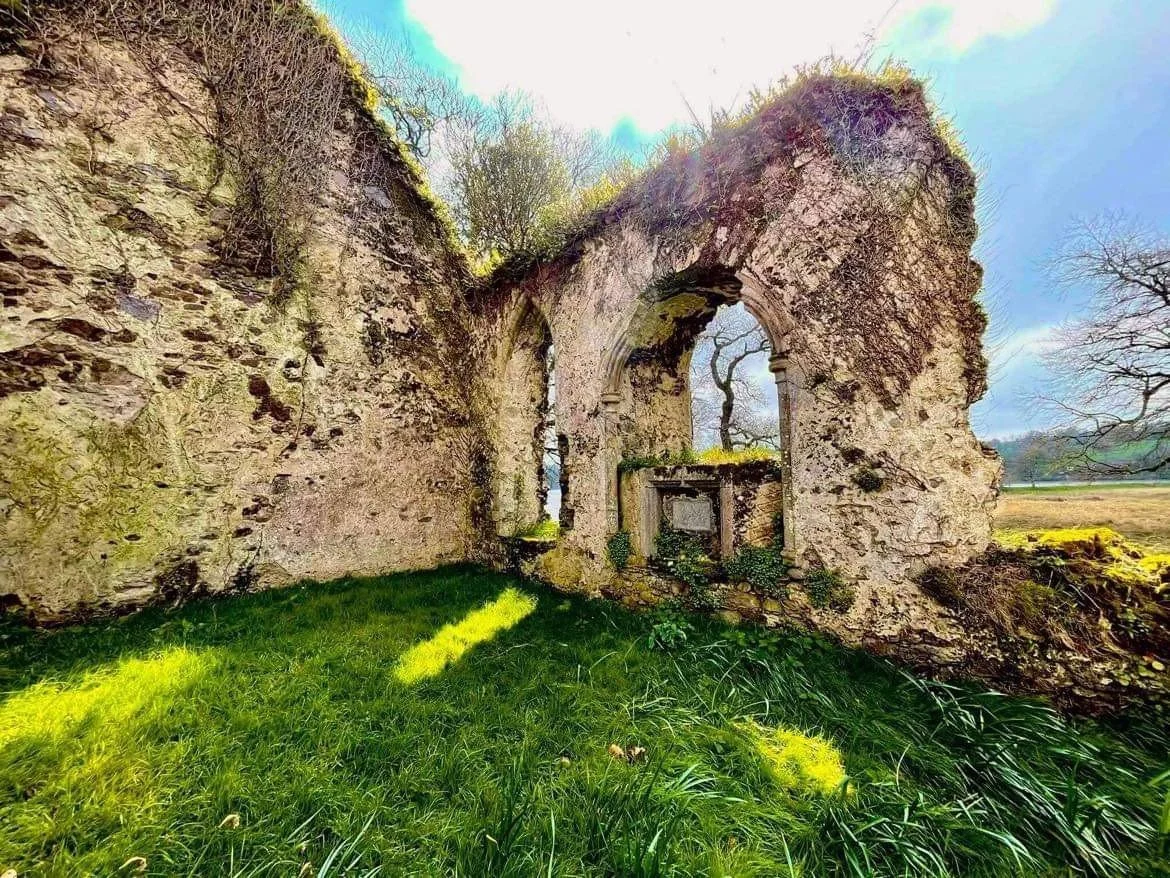
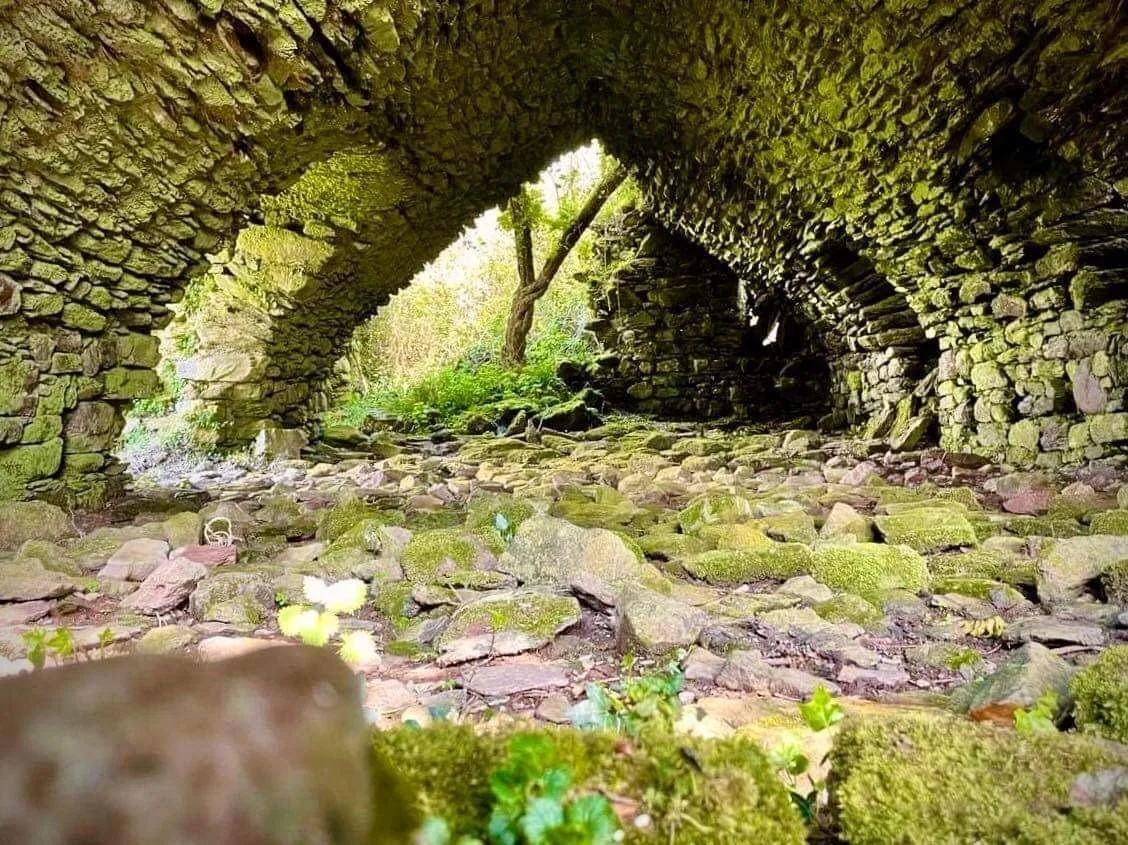
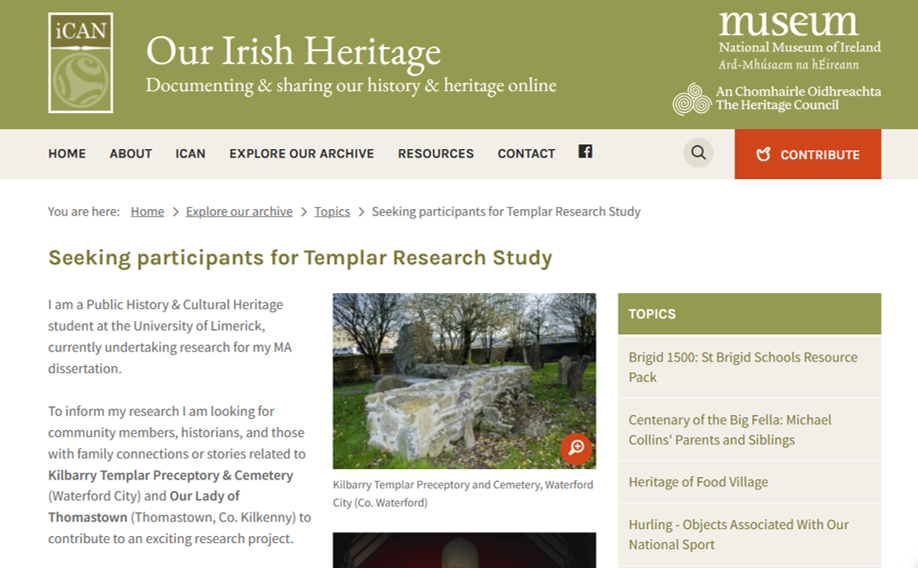
Kilbarry stands as one of Ireland’s earliest and most important Templar preceptories, granted by Henry II in 1180 on land already long marked as sacred. As an administrative, economic, and spiritual hub, it bound Waterford’s frontier into the wider networks of crusade and Christendom, while continuing older traditions of veneration rooted in the landscape. Even after the Templars’ suppression, Kilbarry endured under the Hospitallers, leaving behind a layered legacy that speaks of faith, power, and continuity across centuries.
—Helena B. Scott, dissertation excerpt, Master of Arts in Public History and Cultural Heritage (Hons.)
© 2025 Helena B. Scott. All rights reserved.