Templar Ireland
A land of ancient kingdoms, Norman frontiers, and the hidden legacy of the Knights Templar
The presence of the Knights Templar in Ireland formed part of the wider transformations that followed the Anglo-Norman invasion of the late twelfth century. As new political and ecclesiastical structures emerged, the Order established a network of estates and preceptories across the island, with particularly strong concentrations in the south-east — including Waterford, Wexford, Kilkenny, Carlow, and parts of Tipperary — where Anglo-Norman settlement and maritime trade routes were rapidly expanding.
Although the Templars did not arrive in Ireland as an organised military force, individual knights associated with the Order — many of them Anglo-Norman — were among those who crossed the Irish Sea during this period, while others became linked to the emerging settlements through patronage and land grants. Their presence also intersected with the expanding network of Cistercian monasteries, with the two orders often operating in close proximity and maintaining practical connections within the evolving religious landscape of medieval Ireland.
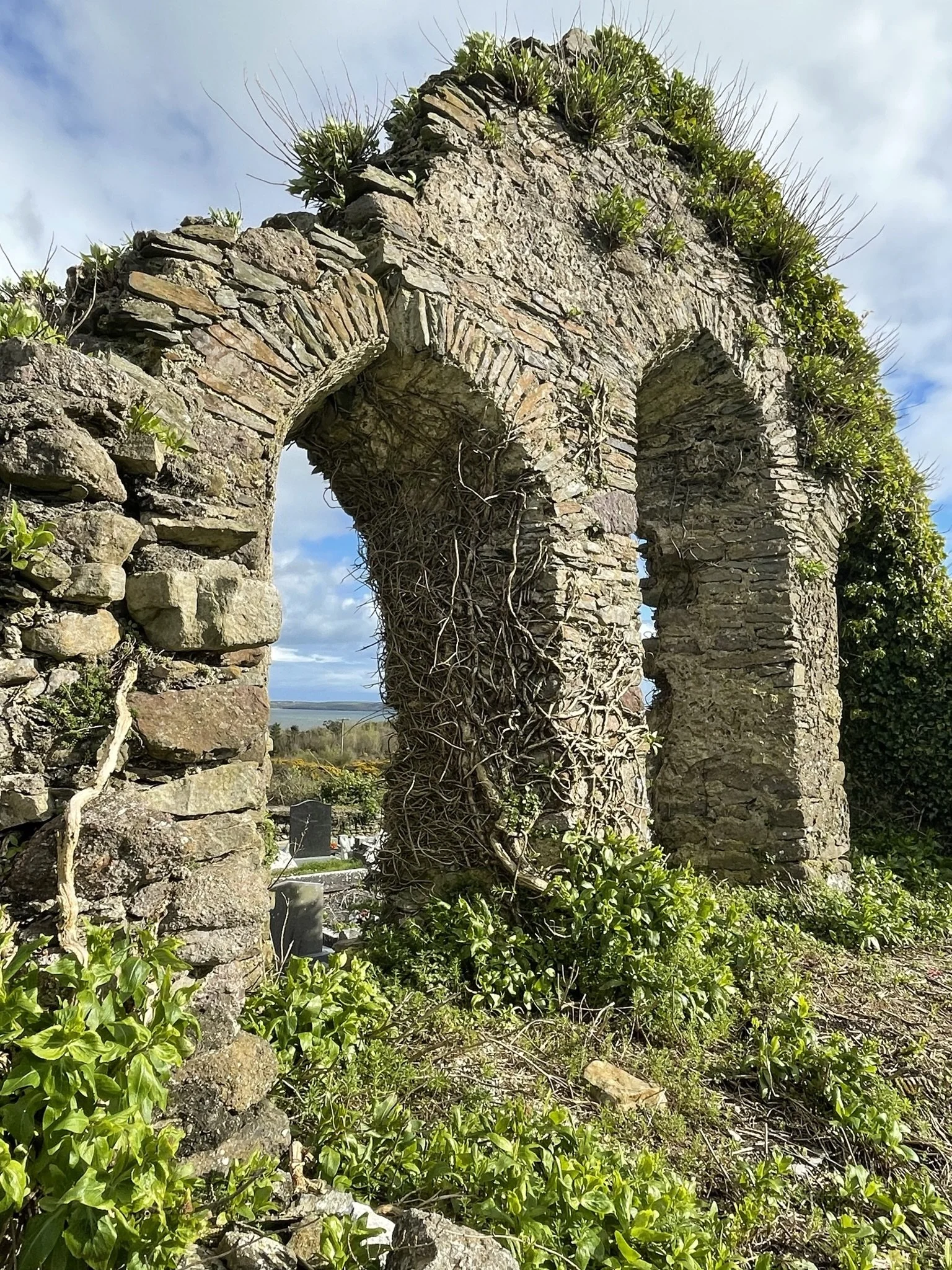
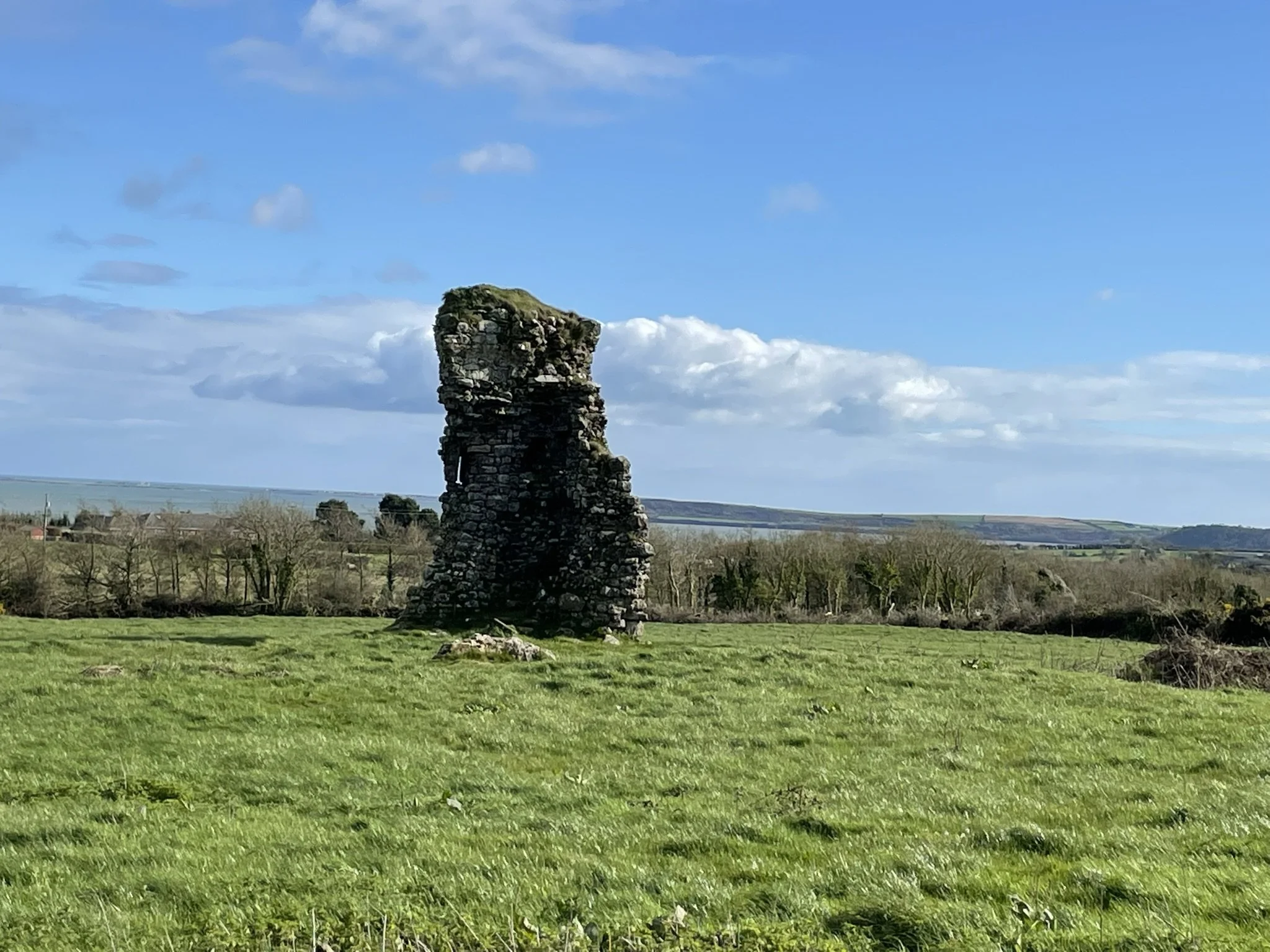
Over the following two centuries, these foundations became part of a wider European system linking Ireland to the spiritual, economic, and administrative world of the medieval crusading orders. Many of these sites survive today only as faint traces within the landscape.
The interactive map below in this section I created draws together the known locations of Templar preceptories and estates across Ireland, based on research undertaken as part of my MA dissertation, offering a new way to visualise the geographical reach of the Order and its enduring imprint on Ireland’s medieval history.
The Knights Templar in Ireland
Introduction
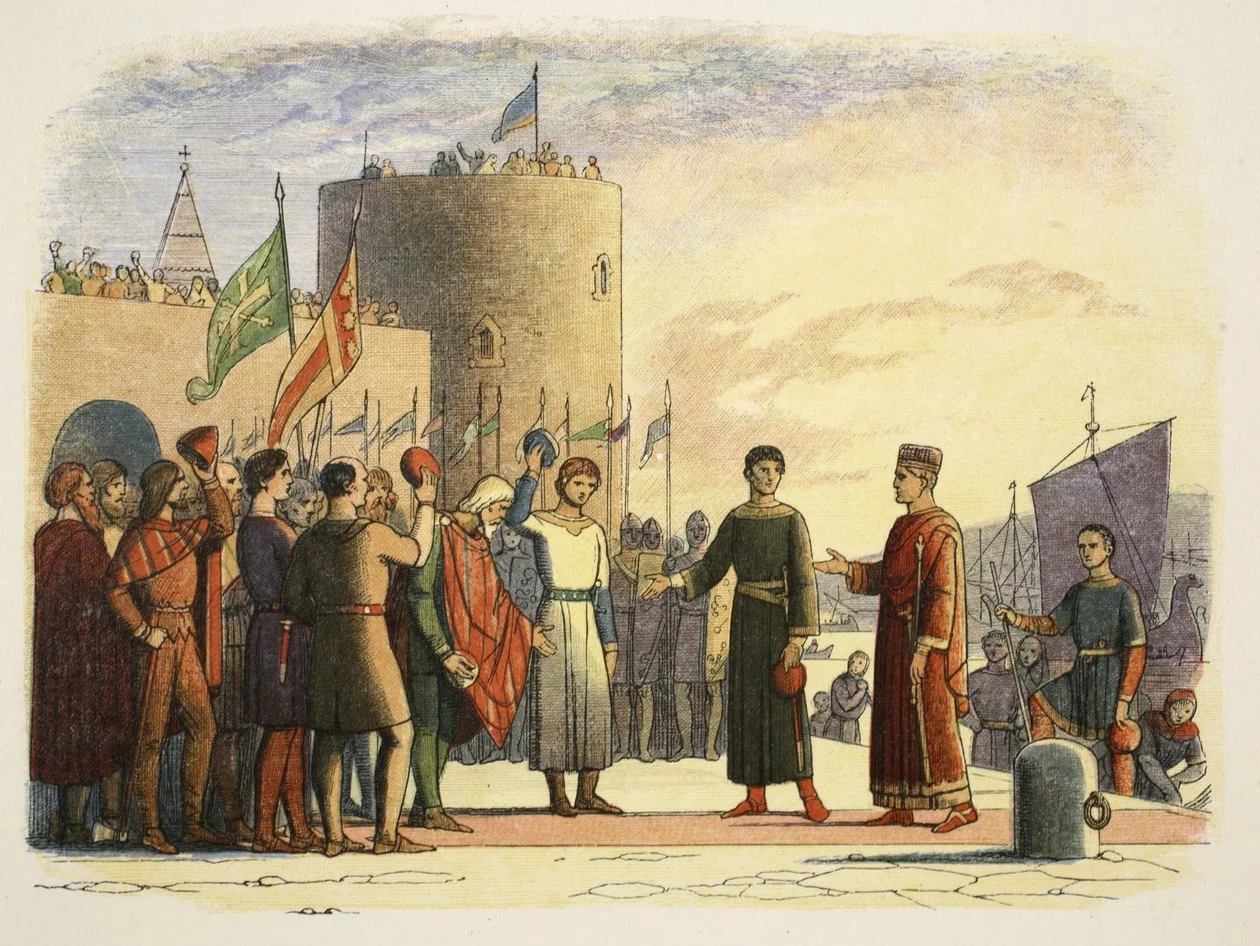
The arrival of the Knights Templar in Ireland cannot be understood without looking at the wider religious and political upheavals of the twelfth century. The Anglo-Norman invasion of 1169–1171 is often presented simply as a military conquest, yet contemporaries increasingly framed it within the language of crusade. In this sense, the campaign in Ireland may be viewed as one of the earliest examples in Europe of a religiously framed intervention against fellow Christians, predating the better-known crusades against heretical groups such as the Cathars in southern France. DissertationChpt1-Ireland
This interpretation is closely connected to the controversial papal bull Laudabiliter, issued by Pope Adrian IV in 1155, which authorised the English crown to intervene in Ireland to reform what Rome perceived as an overly independent Irish Church. Although some modern scholars question the authenticity or later transmission of the document, its historical significance ultimately matters less than the political reality surrounding it. Even without the bull, King Henry II had already expressed ambitions to extend his authority into Ireland as part of his wider Angevin imperial strategy. Historians such as Seán Duffy, Robert Bartlett and Marie-Therese Flanagan have shown that English interest in Ireland long predated the invasion itself and formed part of broader Angevin expansionism (Duffy, Ireland in the Middle Ages; Bartlett, Gerald of Wales; Flanagan, Irish Society, Anglo-Norman Settlers, Angevin Kingship).
A second and more immediate catalyst came from one of the most dramatic events of medieval European history: the murder of Thomas Becket in 1170. The archbishop’s death at the hands of knights associated with Henry II shocked Christendom and forced the king into public penance before Pope Alexander III. Among the penances imposed upon him was the obligation to support the crusading cause by maintaining two hundred Templars in the Holy Land and undertaking a pilgrimage himself. DissertationChpt1-Ireland
Rather than leaving his kingdom to fulfil this obligation directly, Henry found a political solution in Ireland. By encouraging Anglo-Norman nobles such as Richard de Clare to advance into Ireland and by later granting lands to the Templars themselves, the king could simultaneously extend royal authority, satisfy papal expectations, and redirect crusading zeal toward the consolidation of his new Irish lordship.
The Knights Templar and the Anglo-Norman World
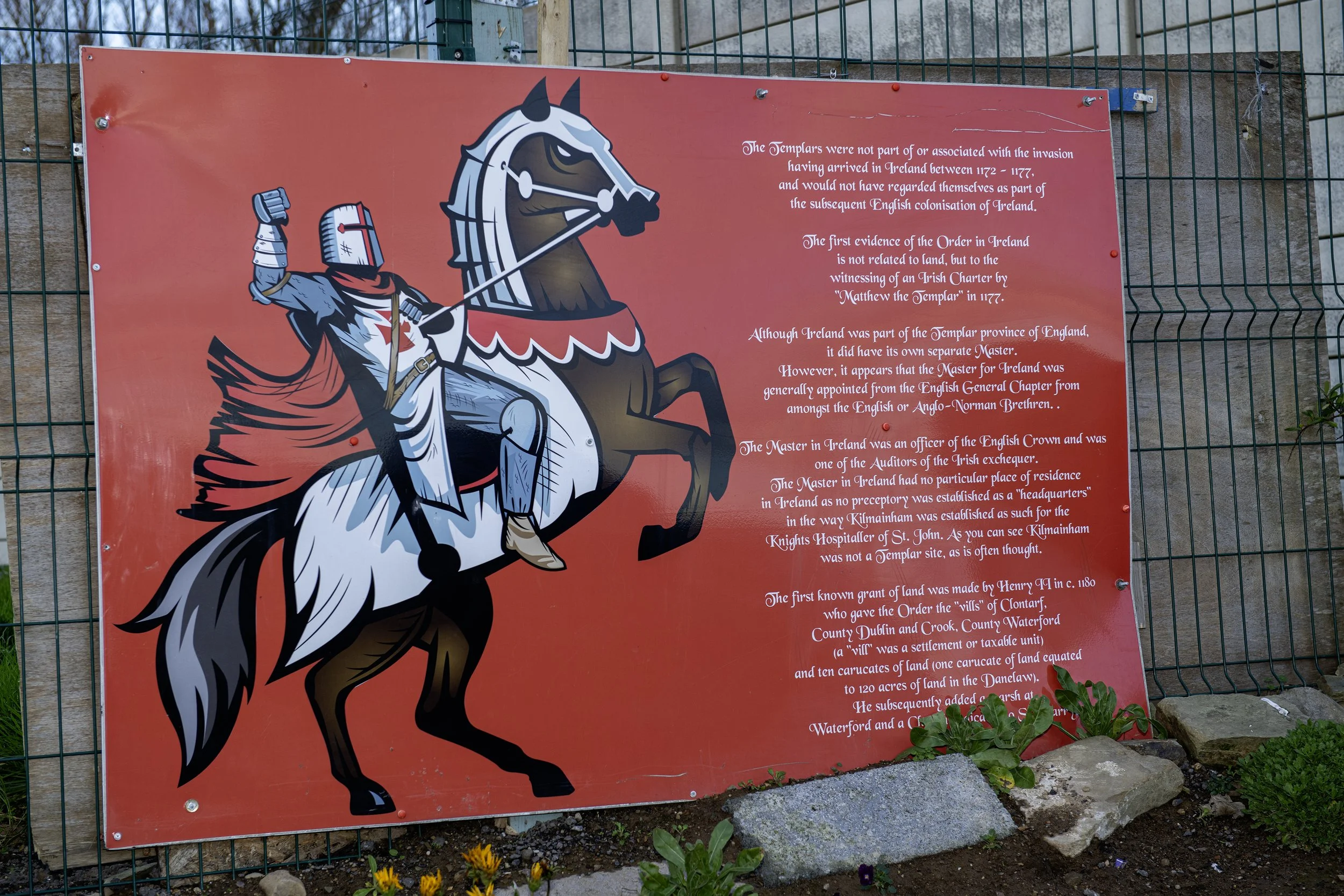
Although the Templars became connected to the Anglo-Norman settlement of Ireland, it is important to distinguish their role from that of the conquering armies themselves. The Order did not arrive in Ireland as an organised military force, nor did it lead the invasion. Instead, the Templars became embedded within the new society that emerged after 1169 through a combination of royal grants, aristocratic patronage, and familial connections with knights who had participated in the conquest.
Indeed, the documentary record suggests that the Order’s presence developed gradually. The earliest known reference to a Templar in Ireland appears in 1177, when “Matthew the Templar” witnessed a charter associated with Christ Church Cathedral in Dublin. Yet the backgrounds of several Anglo-Norman settlers suggest that members and relatives of the Order were already present in Ireland before this date, forming what may be described as a “silent arrival” rather than a formal expedition.
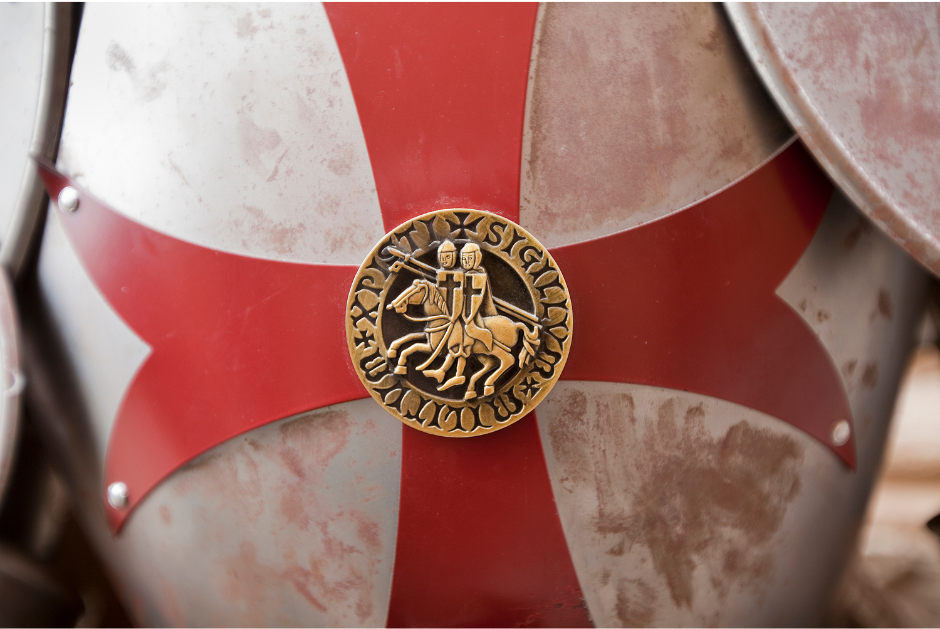
This distinction is important for understanding the Templars’ place in Irish history. While the Anglo-Norman invasion left deep scars in Irish cultural memory, the Templars themselves were not primarily conquerors but administrators, landholders, and members of a religious order. Their estates functioned as agricultural and economic centres whose revenues supported the crusading campaigns in the Holy Land. Ireland proved particularly valuable to the Order, producing grain, wool, and livestock that fed into a wider trans-European economic network.

A Stabilising Presence in a Changing Landscape
The Templars’ estates in Ireland often became centres of economic development and settlement. In the south-east in particular, their lands were closely connected with emerging Anglo-Norman towns and ports. Figures such as Raymond le Gros and other early settlers granted lands to the Order, leading to the establishment of preceptories that helped organise agriculture, trade, and local administration.
These estates were not isolated religious houses but part of a wider network linking Ireland with Britain, continental Europe, and ultimately the crusader states of the eastern Mediterranean. Ports such as Waterford and New Ross in Co. Wexford (founded by Templar William Marshal) became crucial points within this network, exporting wool and agricultural produce that contributed to the Order’s financial strength.
In this sense, the Templars in Ireland acted less as conquerors and more as institutional stabilisers within a rapidly changing political landscape. Their role was to manage estates, collect rents, and maintain economic flows that supported the wider mission of the Order.
A Distinct Legacy
Understanding this distinction is particularly important in Ireland today. Because the Templars arrived during the period of Anglo-Norman expansion, their story has often been overshadowed by the painful legacy of conquest and colonisation. Yet the Order’s presence was more complex than a simple extension of that invasion.
For over two centuries the Templars lived, worked, and worshipped in Ireland, becoming part of the medieval landscape and leaving behind a network of sites that still survive today. By examining these places more closely, we can begin to recover a more nuanced picture of their role—one that recognises both the realities of the medieval world and the distinctive contribution the Order made to Ireland’s historical and cultural landscape.
Mapping the Templar Landscape
As part of my ongoing research, I have begun reconstructing this forgotten network through the creation of an interactive digital map of Templar preceptories and estates across Ireland. This project brings together documentary sources, archaeological evidence, and local traditions in order to visualise how the Order’s Irish sites were connected to the wider medieval world.
By mapping these locations, we can better understand how Ireland formed part of the broader European network of the Knights Templar — a network that linked rural estates, medieval towns, and distant crusader fortresses across continents.
During the 12th and 13th centuries, the Knights Templar established preceptories across Ireland, often on lands granted by Henry II following the Anglo-Norman Invasion of Ireland and by powerful Anglo-Norman nobles. One of the most important benefactors was William Marshal, Earl of Pembroke, whose estates covered much of Leinster and parts of Munster. As a result, many Templar sites were concentrated in these regions, which today overlap with areas promoted as Ireland’s Ancient East, including Dublin, Kildare, Waterford, and Limerick. Fewer preceptories were established in Connacht and Ulster, but they still reflect the Templars’ presence across all four provinces.
Bringing back the Forgotten Heritage of the Knights Templar in Ireland
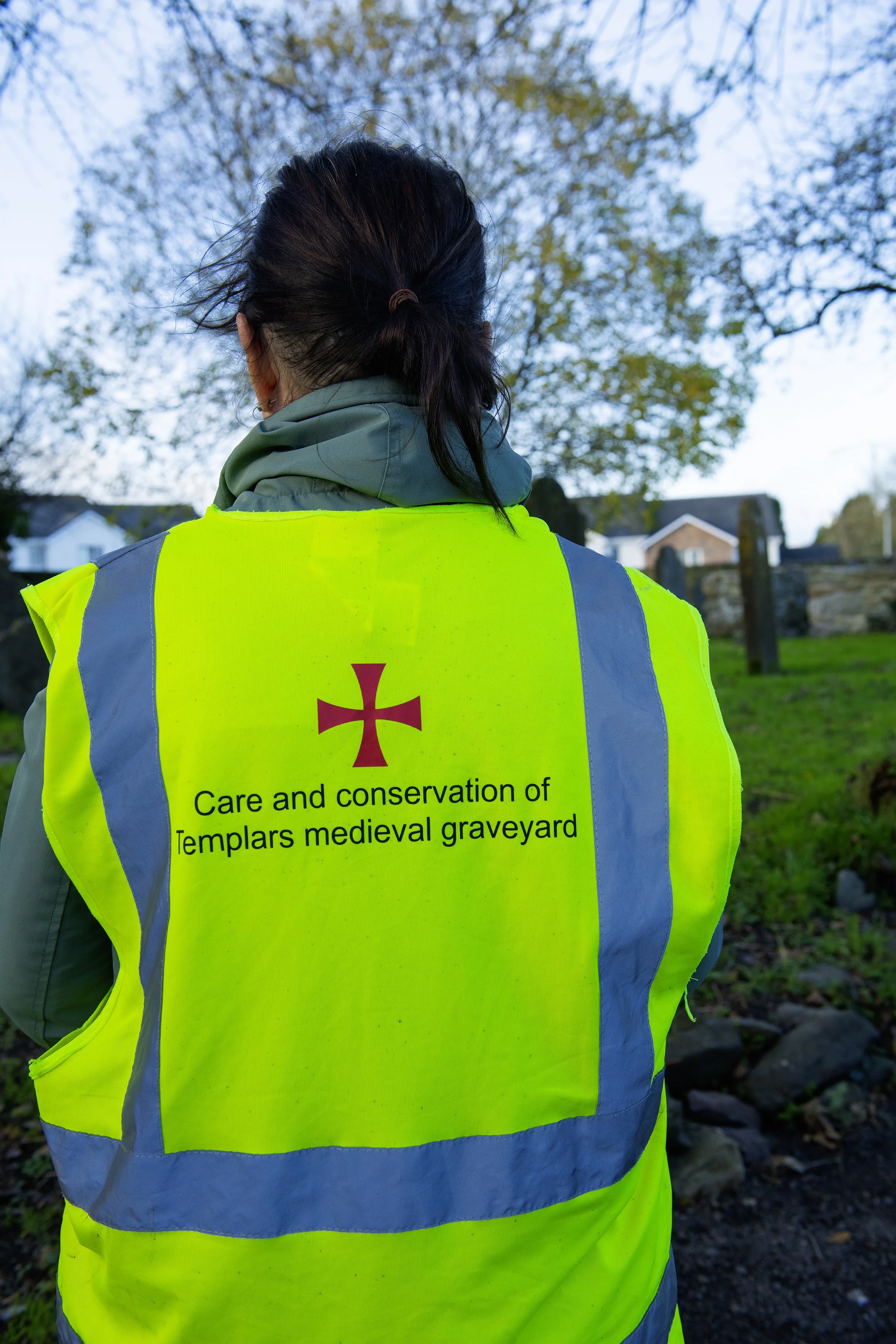
Inspired by Portugal’s “Templar Days” festivals, Waterford Templar Day remembers the arrest of the Knights Templar on 13 October 1307 and celebrates Ireland’s own forgotten Templar heritage.
Designed as an annual tradition to restore Ireland’s forgotten Templar legacy, it will engage communities while promoting sustainable, off-peak tourism through the island’s rich Templar history and sites.

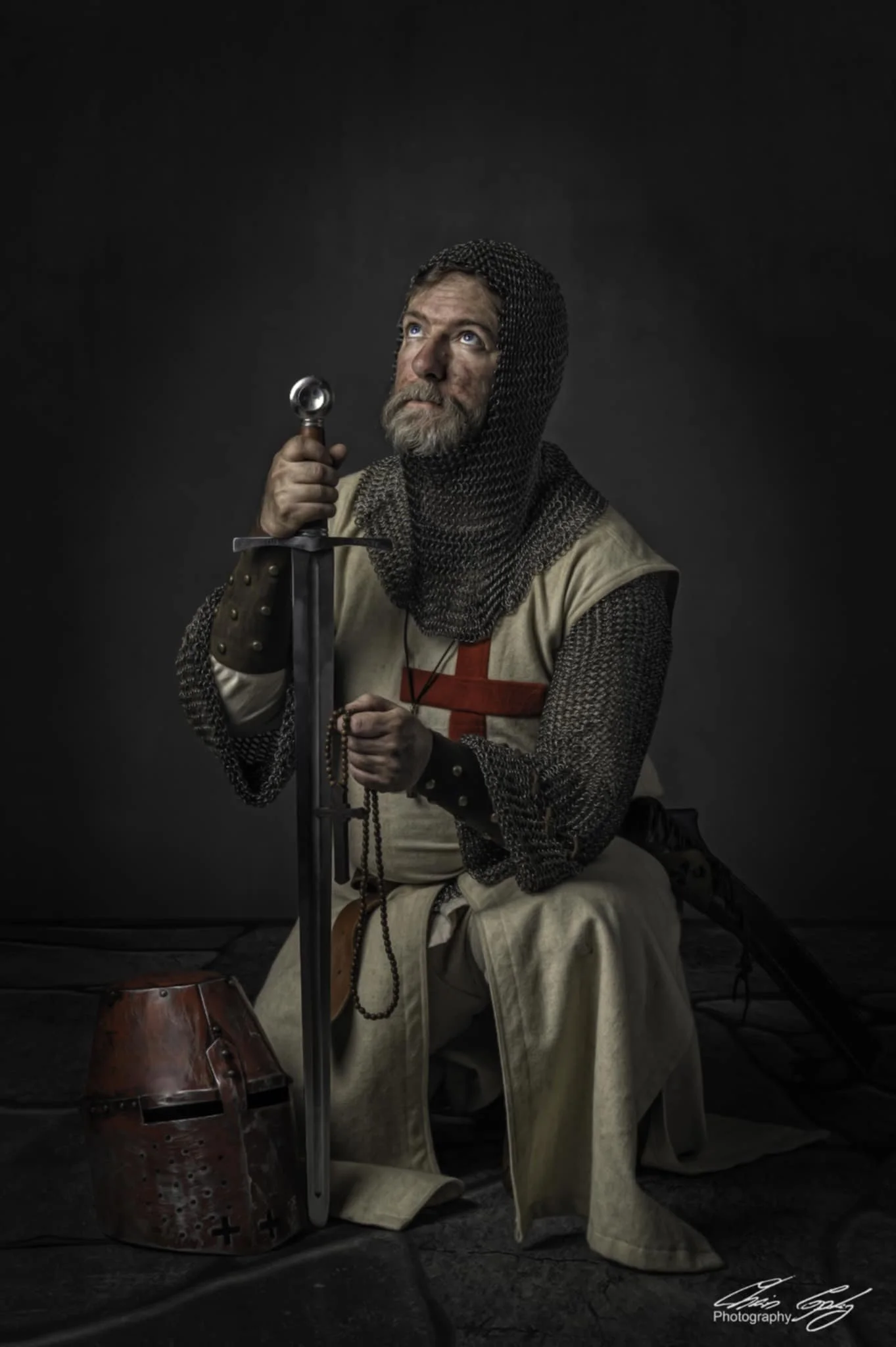

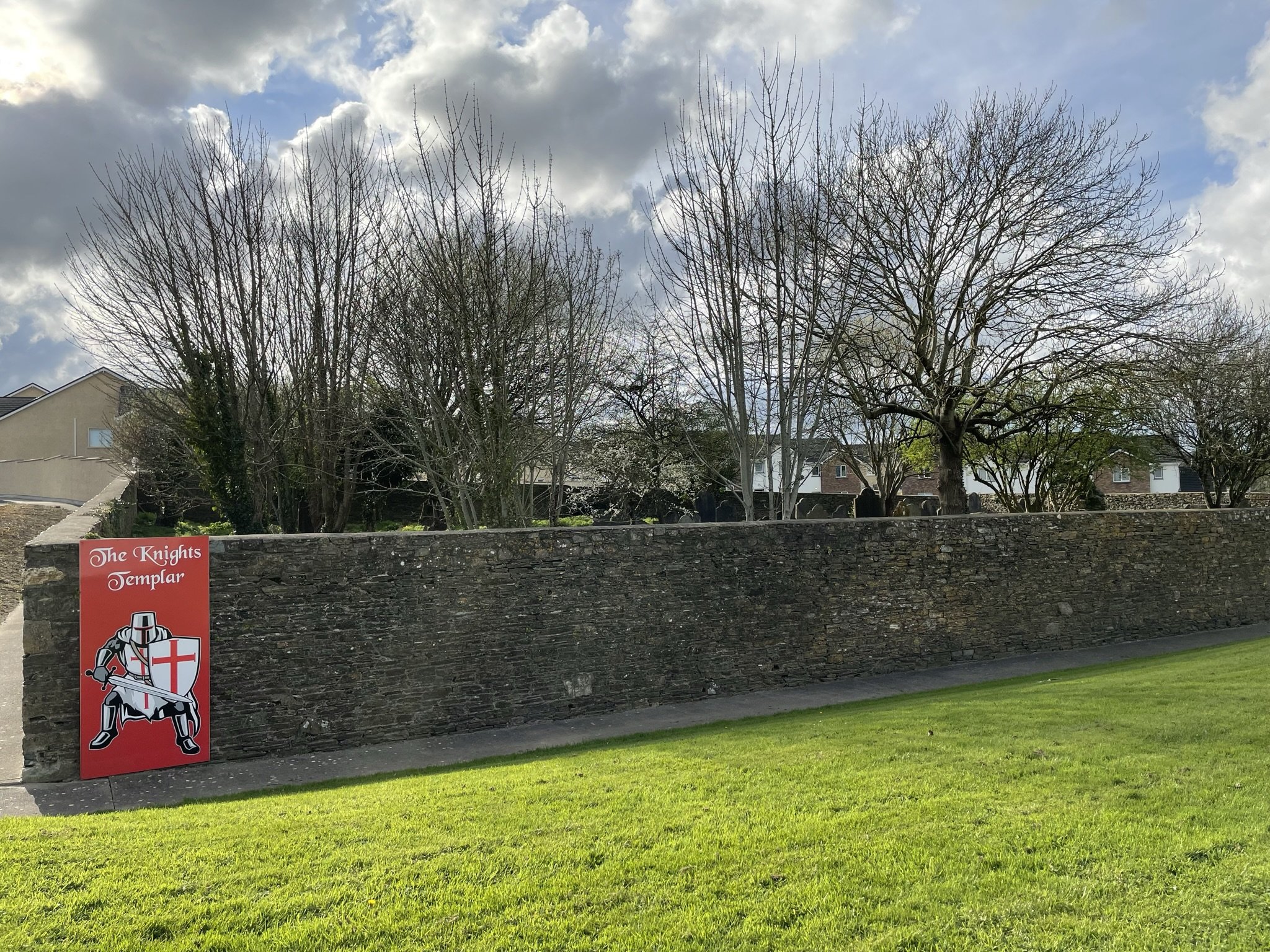
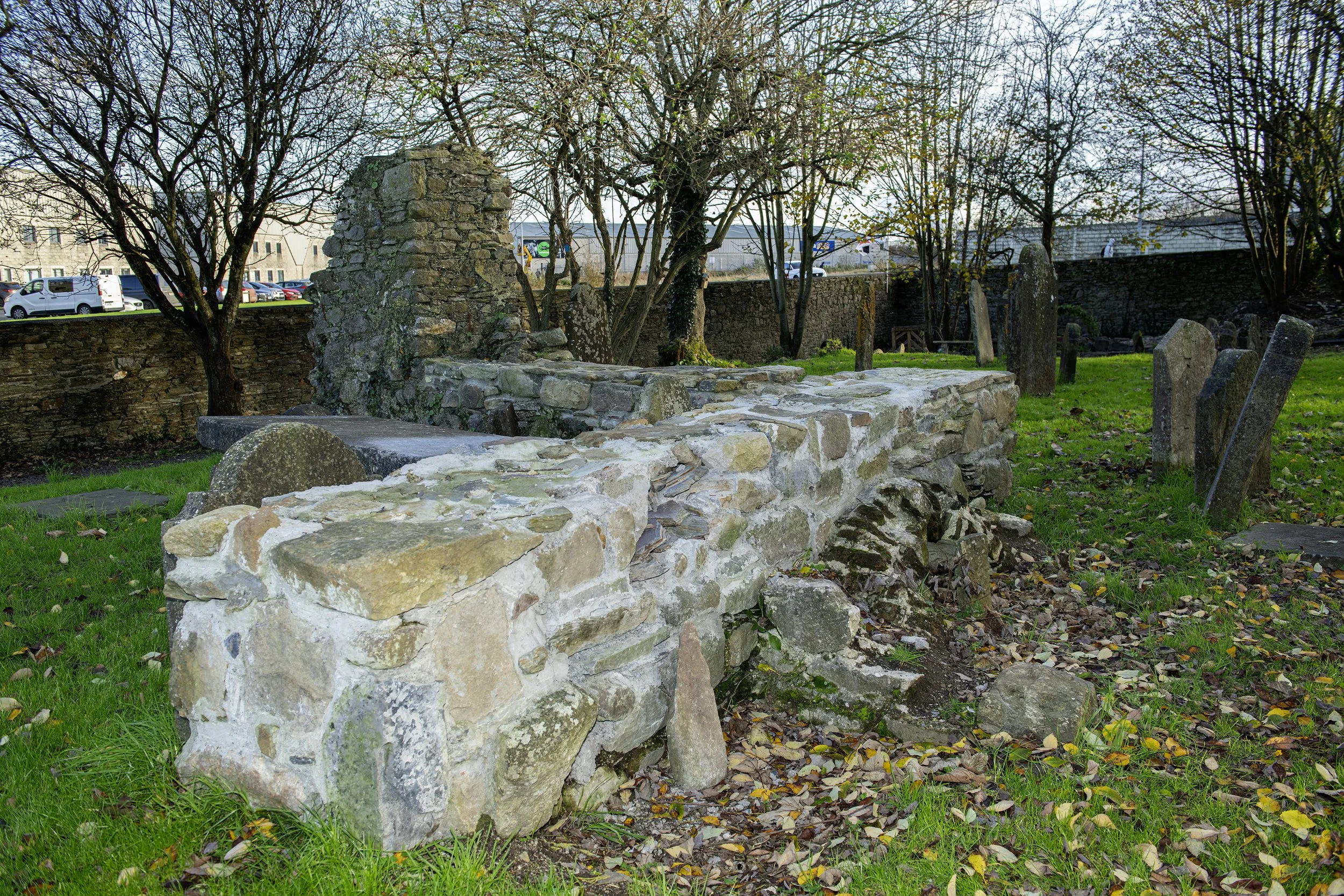
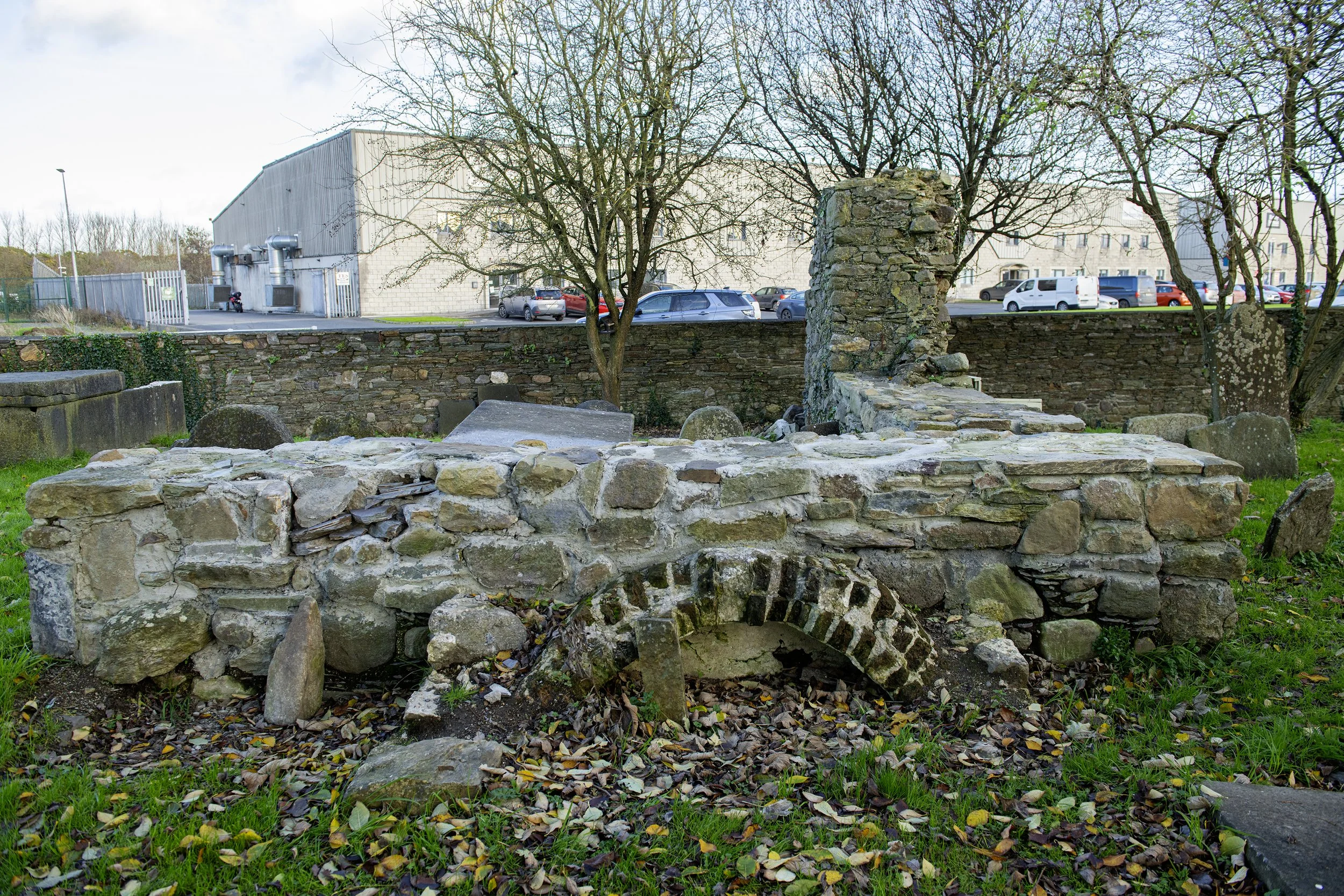
Kilbarry stands as one of Ireland’s earliest and most important Templar preceptories, granted by Henry II in 1180 on land already long marked as sacred. As an administrative, economic, and spiritual hub, it bound Waterford’s frontier into the wider networks of crusade and Christendom, while continuing older traditions of veneration rooted in the landscape. Even after the Templars’ suppression, Kilbarry endured under the Hospitallers, leaving behind a layered legacy that speaks of faith, power, and continuity across centuries.
—Helena B. Scott, dissertation excerpt, Master of Arts in Public History and Cultural Heritage (Hons.)
© 2025 Helena B. Scott. All rights reserved.